
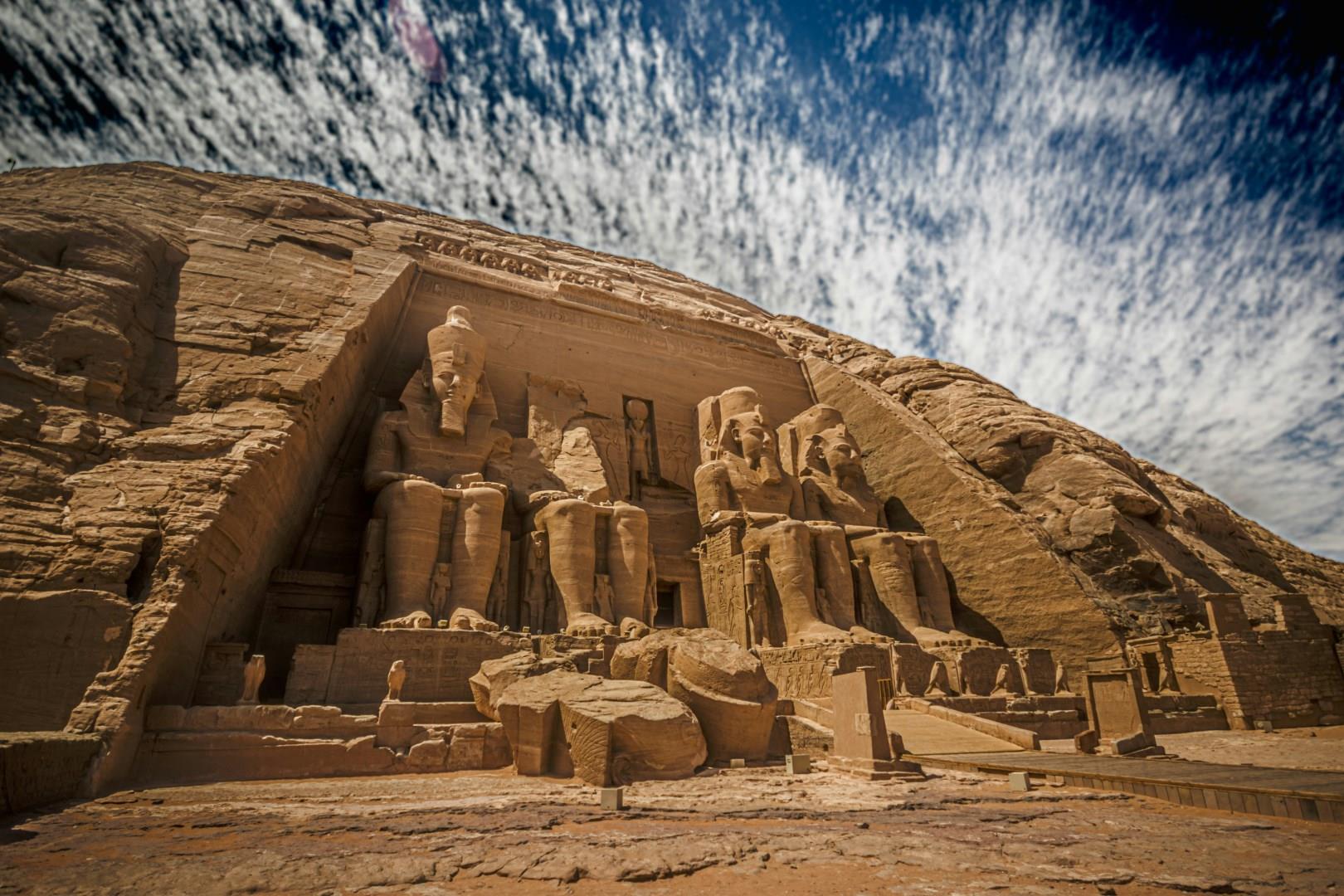
Abu Simbel
Abu Simbel, in southern Egypt near the border with Sudan, is one of the most awe-inspiring archaeological sites of the ancient world. Built during the reign of Pharaoh Ramses II in the 13th century BCE, the twin temples were carved directly into the sandstone cliffs overlooking the Nile. The Great Temple, with its four colossal statues of Ramses II seated at the entrance, was designed not only to honor the pharaoh but also to project his power to neighboring Nubia.

Vernon
Vernon, located in the picturesque Normandy region along the banks of the Seine River, is a charming town that offers a delightful mix of history, culture, and natural beauty.

Rwanda
Rwanda, often called the “Land of a Thousand Hills,” is a country of rolling green landscapes, misty mountains, and shimmering lakes. Its scenery is striking, with terraced hillsides and lush valleys stretching as far as the eye can see.

Cork
The Irish Republic's second largest city is a surprisingly appealing place - you'll find time passes effortlessly during the day, and by night the pub scene is lively. The town center is uniquely situated on an island between two channels of the Lee River.

Oman
Oman stands among the oldest independent states in the Arab world, with evidence of human habitation stretching back over 100,000 years. Its capital, Muscat, rises gently against limestone hills with no skyscrapers to interrupt its skyline. Visitors find broad avenues lined with stunning buildings leading to landmarks like the Sultan Qaboos Grand Mosque and the Royal Opera House, both offering glimpses into Omani artistry and modern elegance.
