
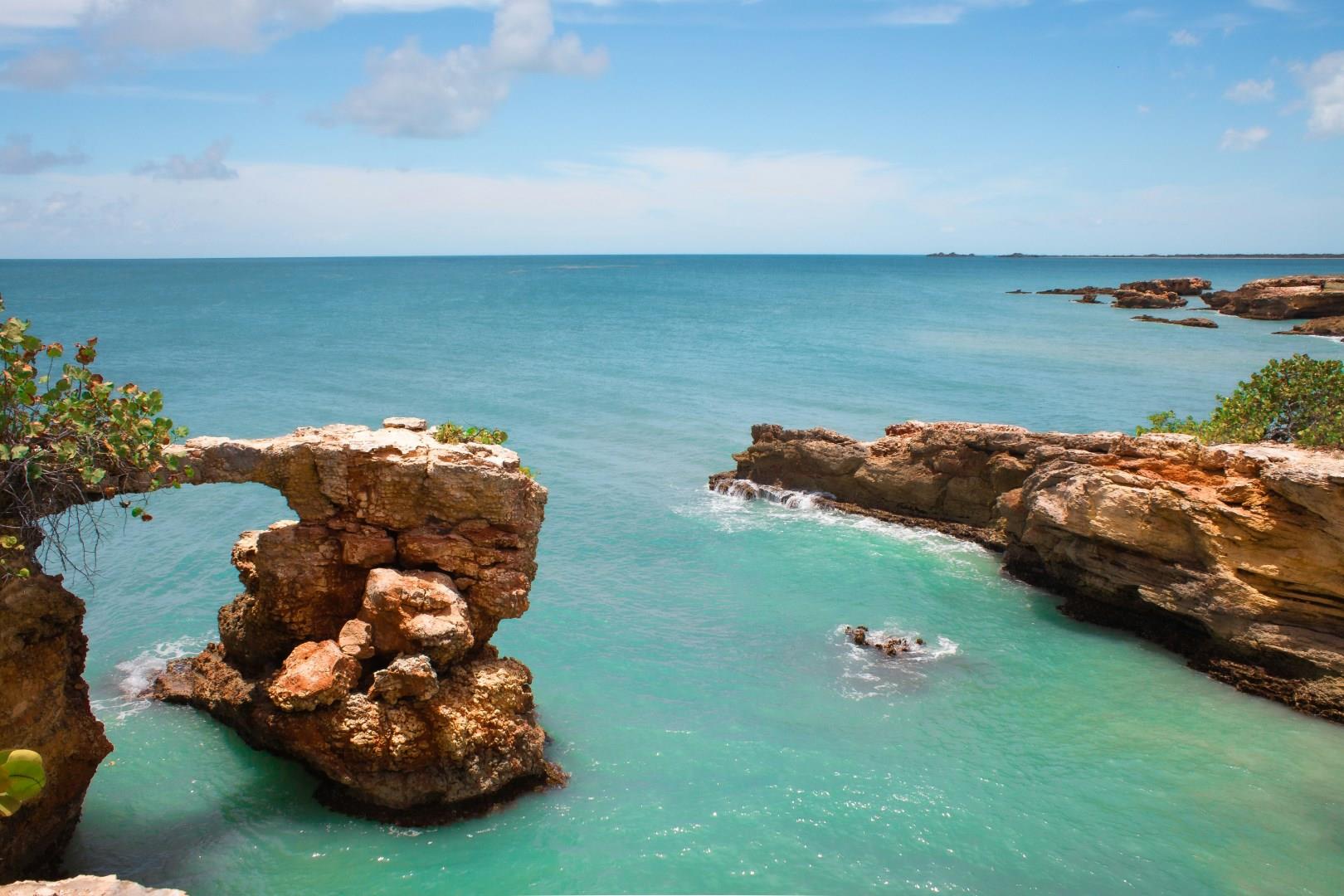
Cabo Rojo
Cabo Rojo, located on the southwestern coast of Puerto Rico, is a region of striking natural contrasts where salt flats, mangroves, and limestone cliffs meet the sparkling Caribbean Sea. Its most iconic feature is the Cabo Rojo Lighthouse perched on dramatic cliffs overlooking the ocean, offering panoramic views of turquoise waters and nearby beaches.
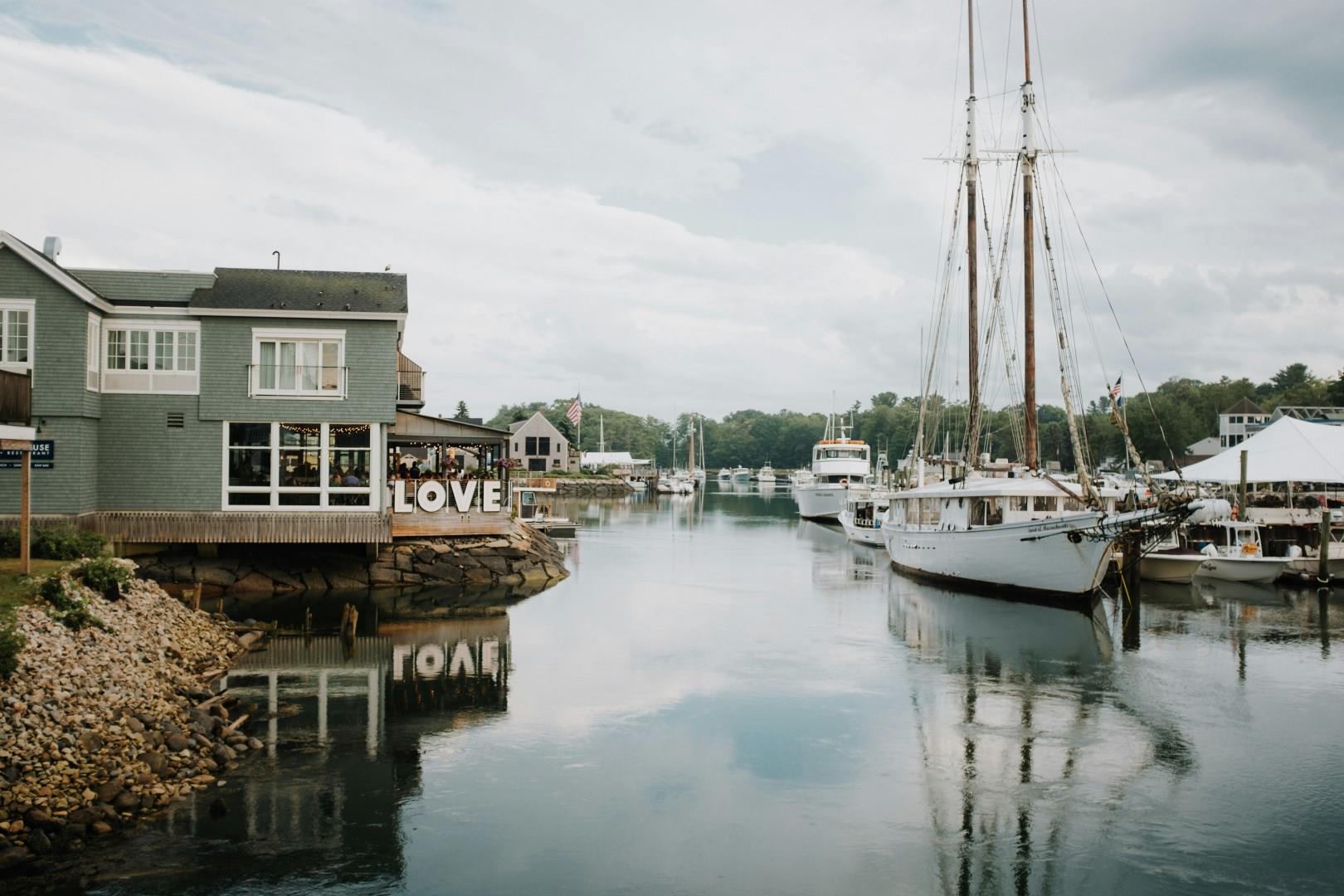
Kennebunkport
Kennebunkport is a small coastal town with a long maritime history and a character all its own. Originally settled in the 1600s, it grew as a shipbuilding center before becoming a quiet summer escape. Today, its working waterfront meets charming streets lined with boutiques, historic homes, and small galleries. Dock Square, the town’s walkable heart, is where visitors can browse local crafts, sample Maine-made ice cream, or pick up a hand-carved wooden buoy as a souvenir.

Port Moresby
Port Moresby sits by the Coral Sea as Papua New Guinea’s capital and shows visitors a city of contrasts where glittering new buildings rise beside traditional villages built on stilts. One such place is Hanuabada, the original Motuan village, where roofs reach above water’s edge and everyday life still unfolds in Tok Pisin and local tongue.
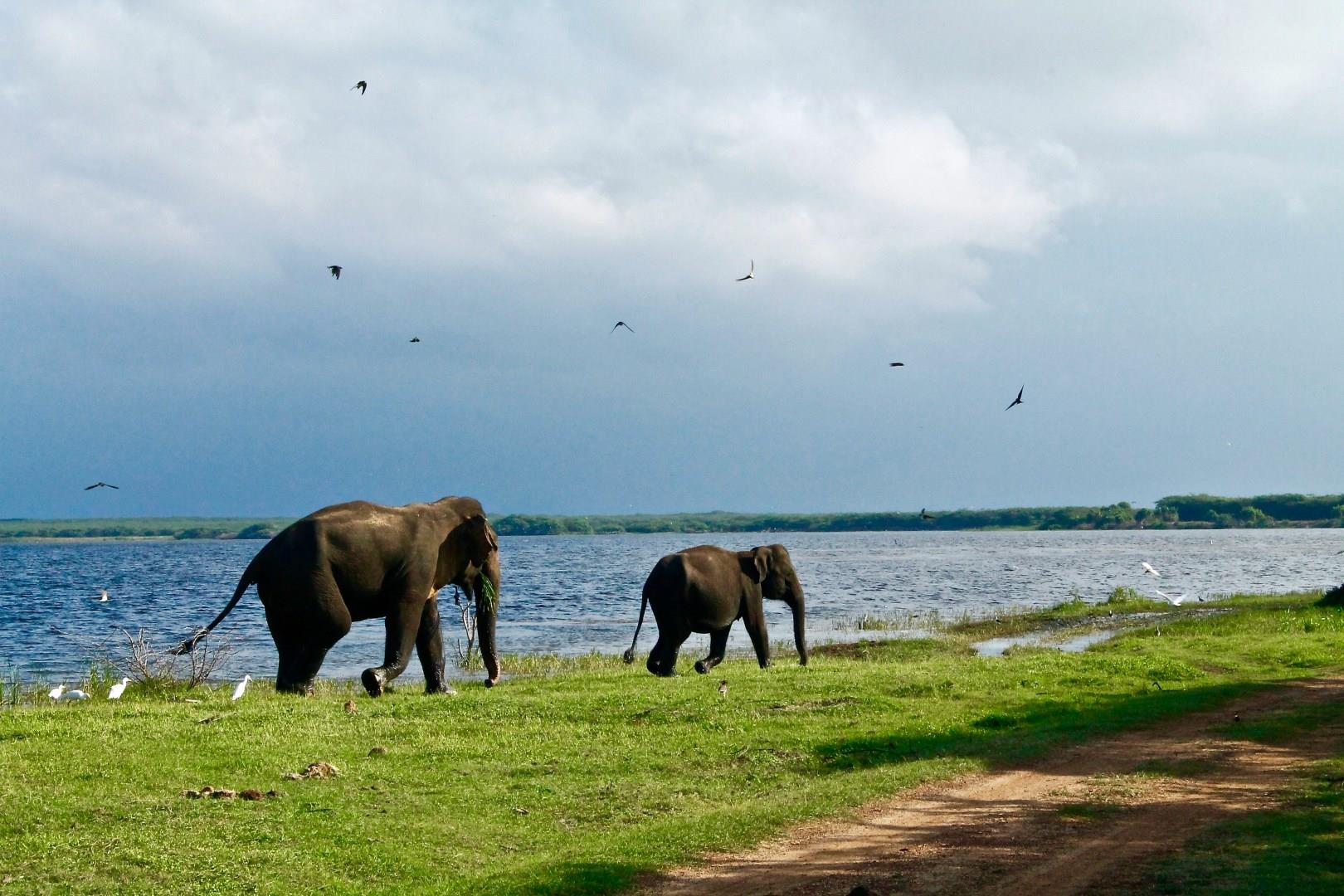
Tissamaharama
Tissamaharama, often called “Tissa” by seasoned travelers, sits in southern Sri Lanka as a town steeped in history and living culture. Once the capital of the ancient Ruhuna Kingdom in the 3rd century BCE, this settlement still radiates stories from the distant past in its temples, reservoirs, and even the streets where market life unfolds each day.
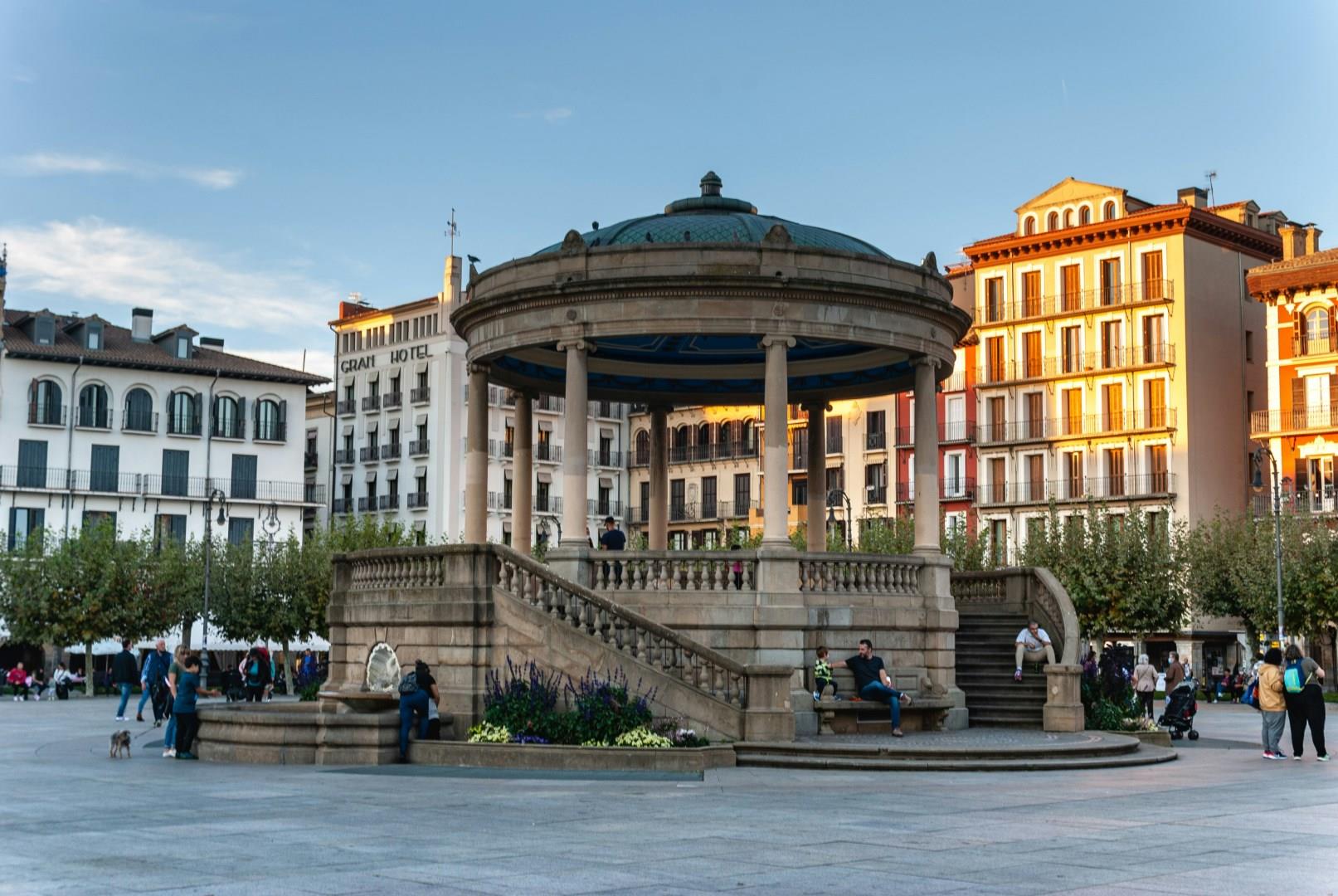
Pamplona
Pamplona, the capital of Spain’s Navarre region, is best known worldwide for the Running of the Bulls during the San Fermín festival each July. But beyond the brief rush of that event lies a city steeped in medieval history, Basque influence, and a slower pace that surprises many visitors. One of the most significant aspects of Pamplona is its place on the Camino de Santiago, the ancient pilgrimage route to Santiago de Compostela.
