

Uluru
Located in Australia's Northern Territory, Uluru is an iconic sandstone formation and UNESCO World Heritage site. This red rock monolith, believed to be over 500 million years old, has been considered sacred by Australia's indigenous peoples for thousands of years and is one of the country's most well-known natural landmarks. This spiritual destination will astound you at sunrise and sunset, when the warm sunlight turns Uluru to deep hues of red and orange.
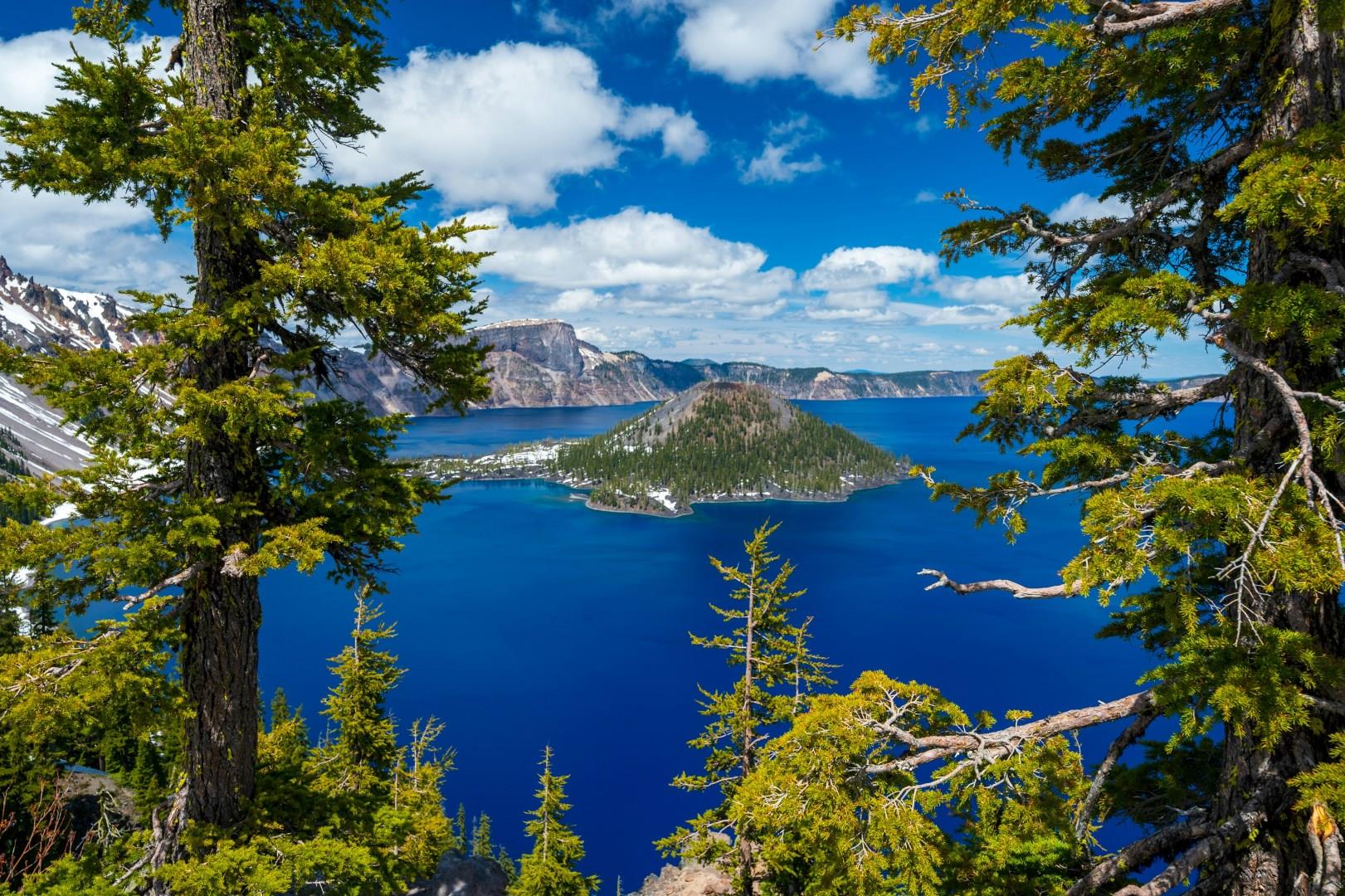
Crater Lake National Park
Crater Lake National Park, Oregon, offers a breathtaking display of natural beauty centered around the deepest lake in the United States. Formed by the collapse of a volcanic caldera, Crater Lake is renowned for its stunningly clear blue waters, which are the result of rain and snowfall filling the caldera. The lake's unique color and clarity are due to its depth and the purity of its water, making it a visual marvel that attracts visitors year-round.
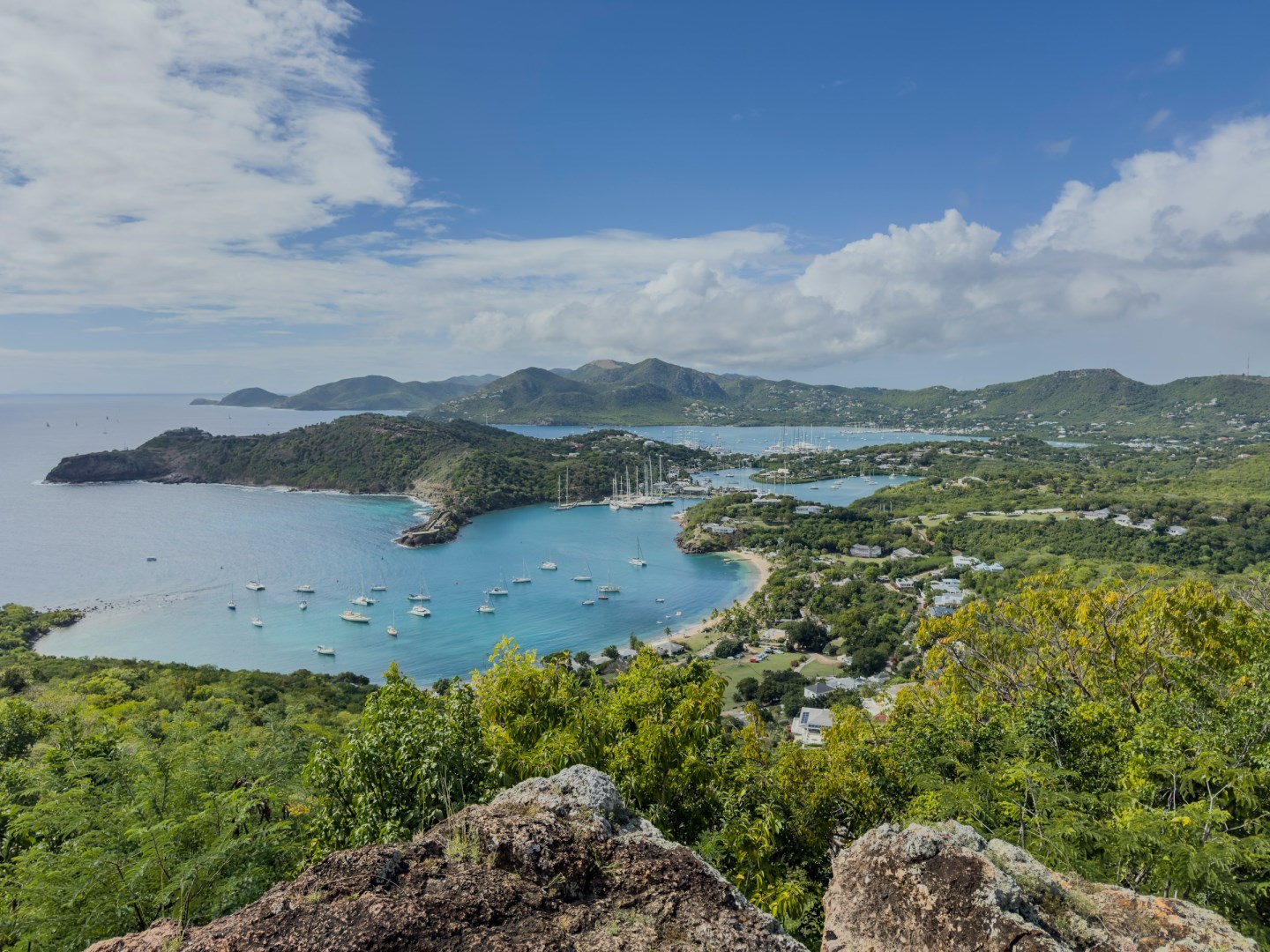
English Harbour
English Harbour is a historic harbour district on the southeastern coast of Antigua, known for its sheltered bay, maritime heritage, and surrounding hills. The area is closely associated with Nelson's Dockyard, a preserved Georgian naval complex that remains one of Antigua and Barbuda's best-known heritage sites.

Negril
Negril, Jamaica, offers an idyllic escape with its renowned Seven Mile Beach, a stretch of golden sand that is consistently ranked among the world's top beaches. The crystal-clear waters and gentle waves make it a perfect spot for swimming, snorkeling, and sunbathing. The beach is lined with vibrant beach bars and restaurants where visitors can enjoy local dishes and tropical drinks while soaking up the Caribbean ambiance.
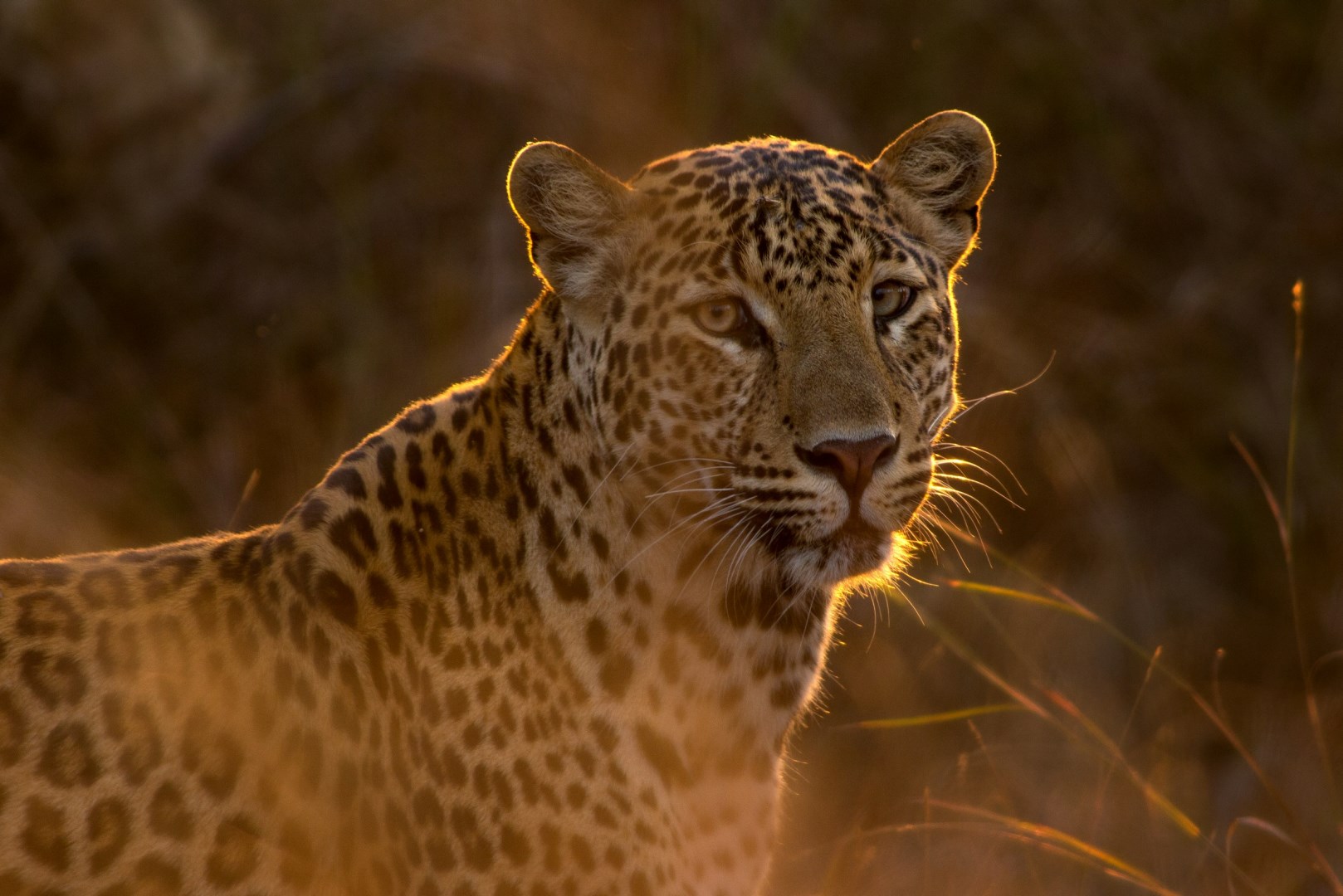
Panna National Park
Panna National Park lies in the Vindhya Hills of Madhya Pradesh in central India, extending across the Panna and Chhatarpur districts. The Ken River runs through a landscape of dry deciduous forest, open grassland, rocky plateaus and deep gorges.
