
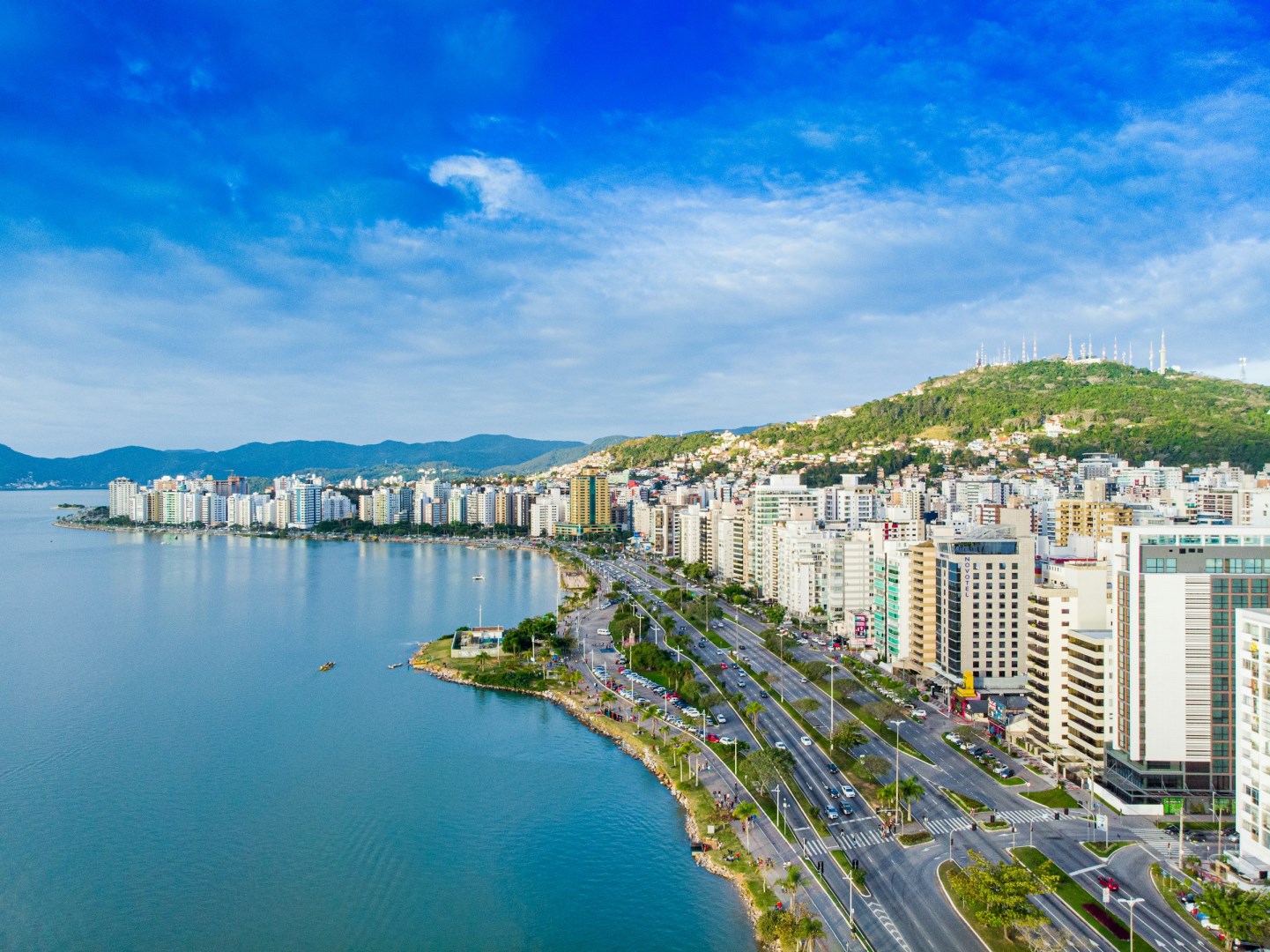
Florianópolis
Florianópolis is the capital of Santa Catarina and occupies most of Santa Catarina Island, with another part of the city on the mainland. Known locally as Floripa, it is shaped by a long coastline of beaches, lagoons, dunes, forests, and rocky hills. The island has more than 40 beaches, ranging from open Atlantic shores to sheltered bays and calm waters. Lagoa da Conceição lies near the center of the island and connects several distinct areas of the city.

Yucatán
Yucatán, a Mexican state, is popular for its Gulf of Mexico beach areas and spectacular Mayan ruins. It is bordered by the states of Campeche and Quintana Roo. Mexico’s Yucatán Peninsula is also home to mystical cenotes—natural sinkholes filled with crystal-clear water.
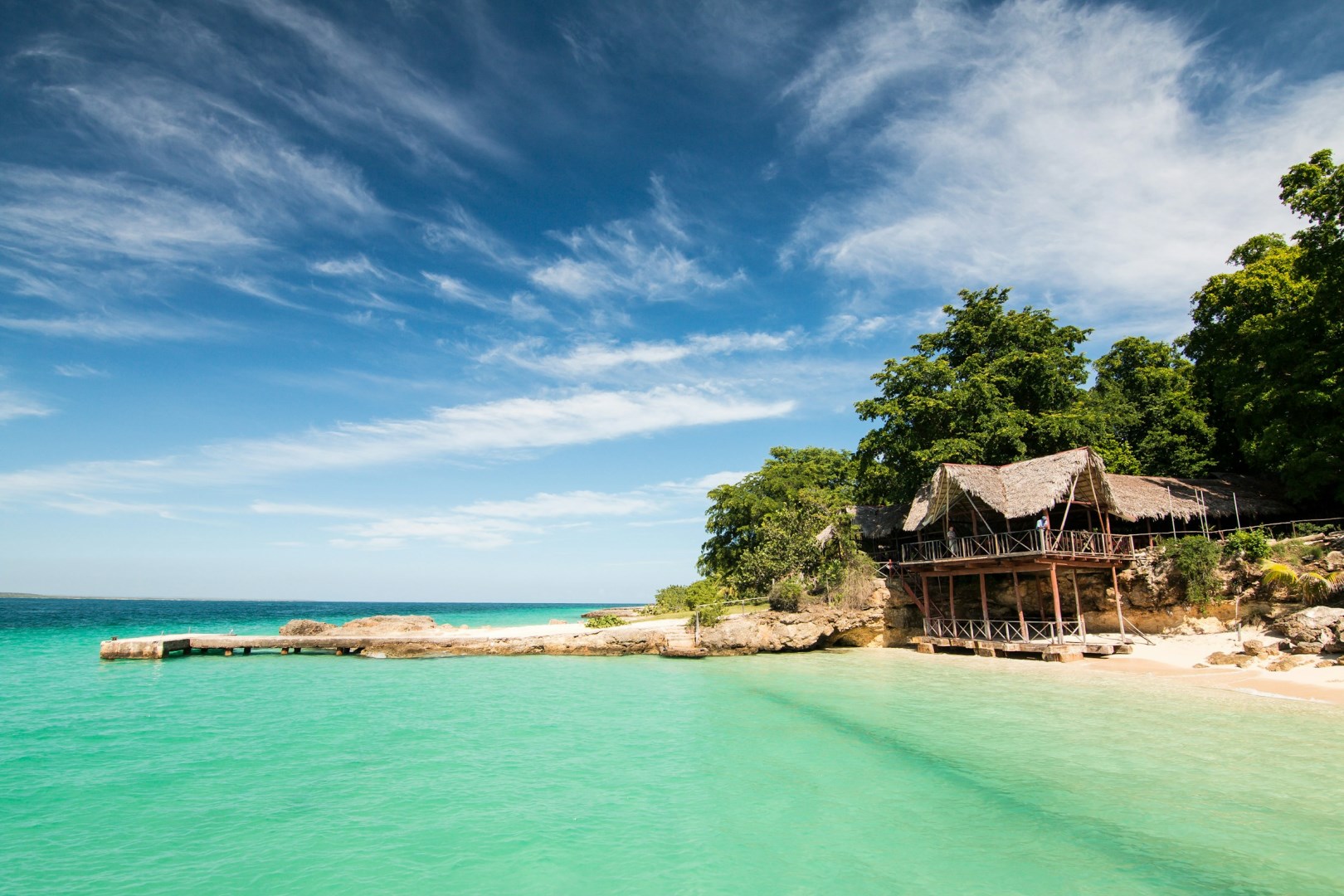
Mayarí
Mayarí is a town and municipality in Holguín Province in eastern Cuba, surrounded by a landscape of low mountains, forests, farmland, and rivers. The municipality extends from inland agricultural areas toward the northern coast, giving it a varied geography that includes the Sierra Cristal and fertile valleys. Mayarí is closely associated with agriculture and the cultivation of sugarcane, coffee, cacao, and other crops, while nearby reservoirs and rivers support farming and local communities.
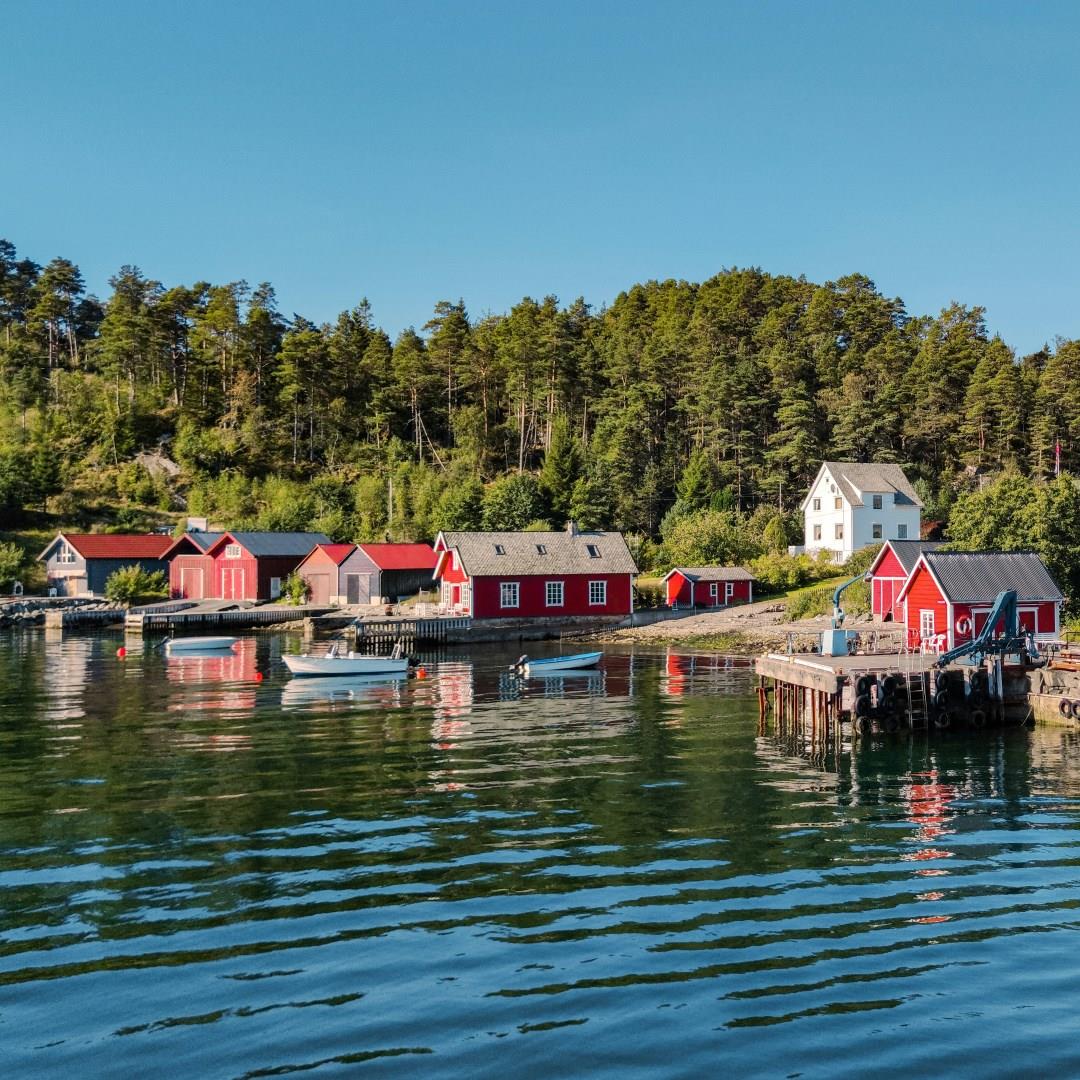
Hardangerfjord
Hardangerfjord is one of Norway’s most iconic fjords, stretching over 170 kilometers through western Norway and surrounded by steep mountains, waterfalls, and orchards. Historically, the fjord has been central to regional life, providing a transportation route for fishing, trade, and fruit cultivation. Its combination of natural grandeur and human activity has shaped a landscape that is both dramatic and lived-in.

Valtice
Nestled in the wine-growing region of South Moravia, Valtice, Czech Republic, is a charming town known for its rich history and stunning architecture. The centerpiece of Valtice is the majestic Valtice Castle, a UNESCO World Heritage site that showcases an impressive Baroque façade and beautifully landscaped gardens.
