
Podgorica
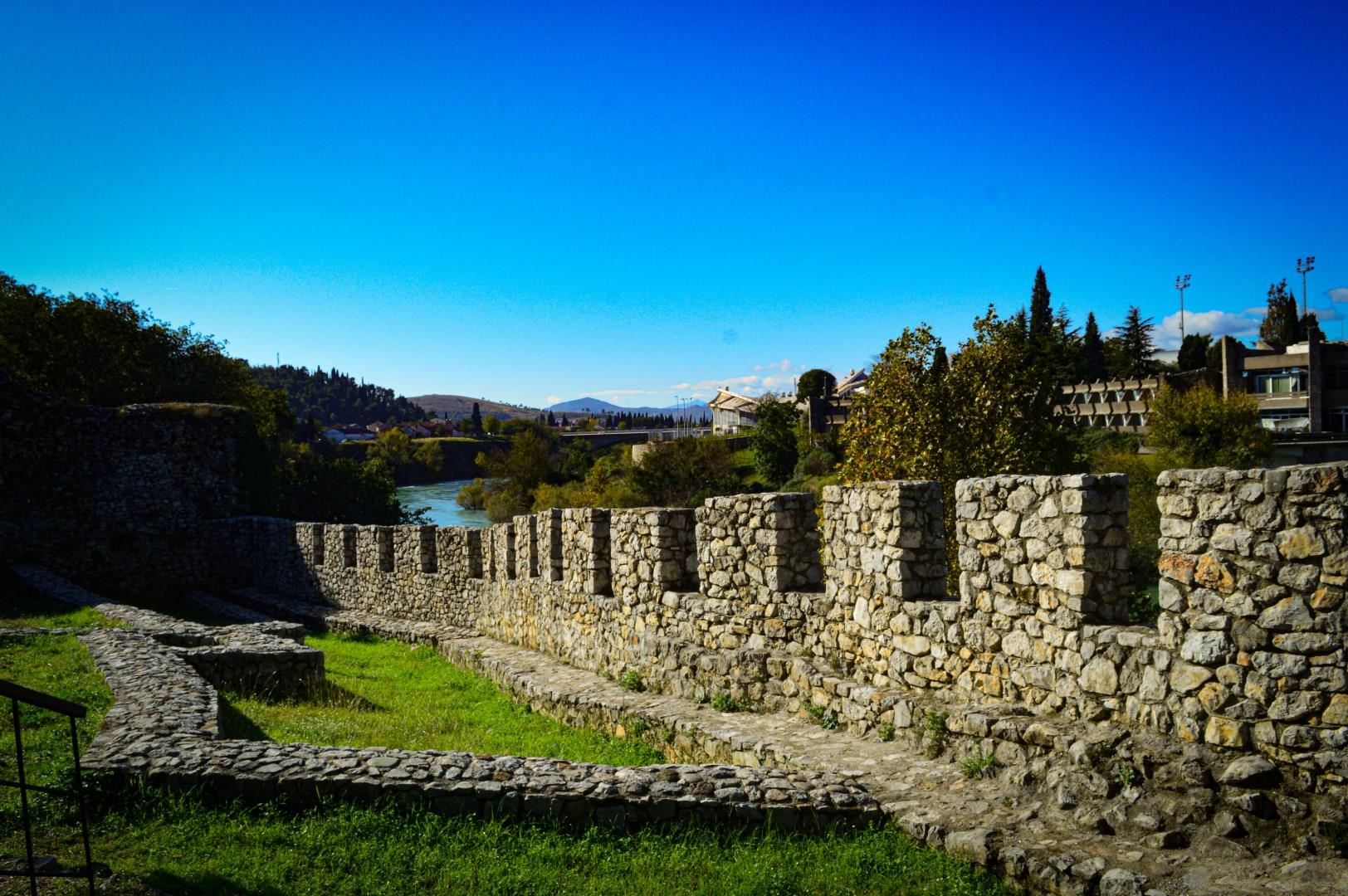
Podgorica, the capital of Montenegro, showcases the country’s contrasting landscapes and deep-rooted history. Although much of the city was rebuilt after World War II, traces of its Roman and Ottoman past still remain. Visitors can explore the ruins of Doclea, a Roman settlement just outside the city, where surviving columns and mosaics give a glimpse into life nearly two millennia ago.
Vilanculous
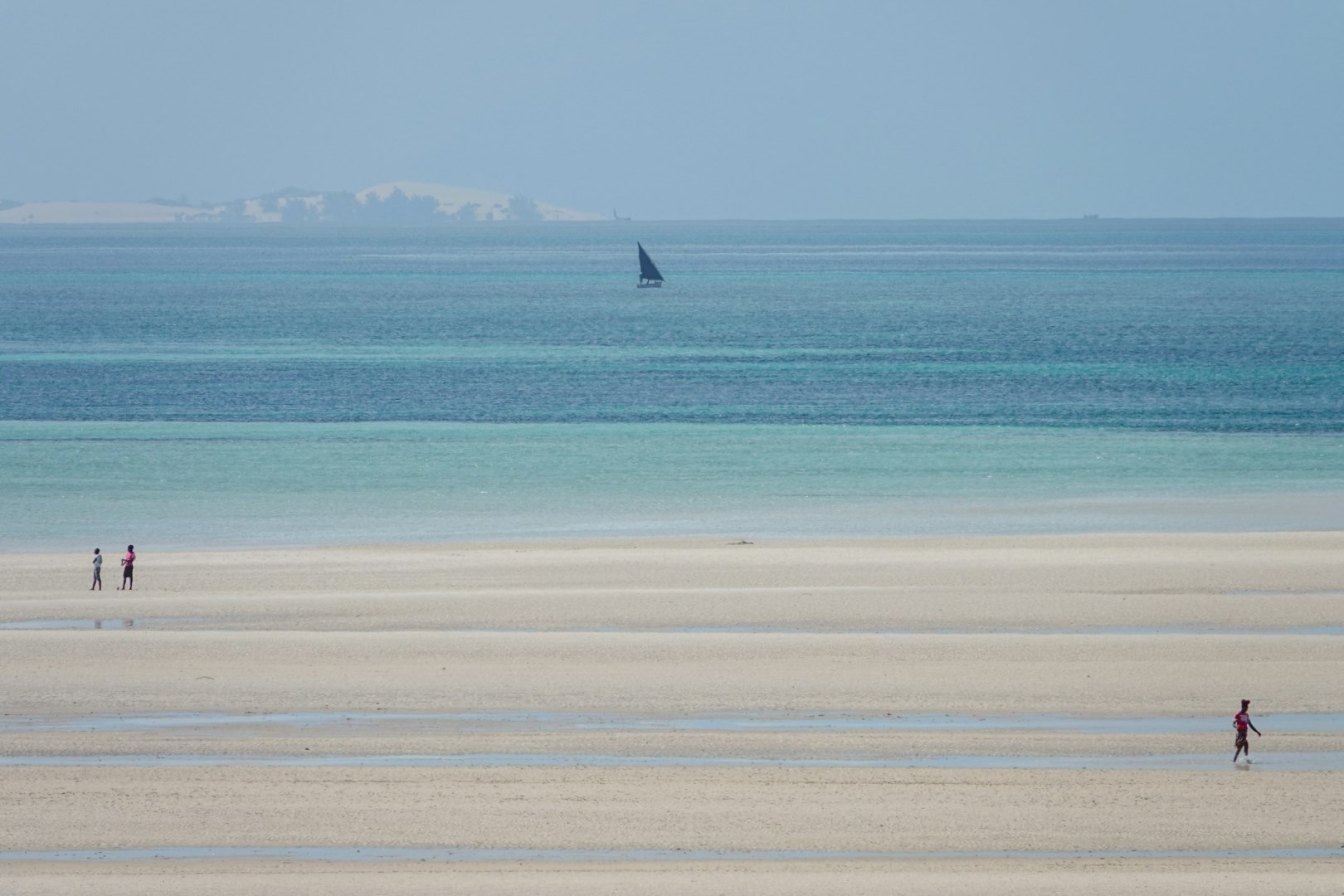
Vilankulo is a coastal town in Inhambane Province, southern Mozambique, facing the Indian Ocean and the Bazaruto Archipelago. Its shoreline is lined with sandy beaches, coconut palms, shallow waters, and broad views toward the islands offshore. The town serves as one of the main gateways to Bazaruto National Park, with boats departing from the coast for island excursions and marine activities.
Siglufjörður
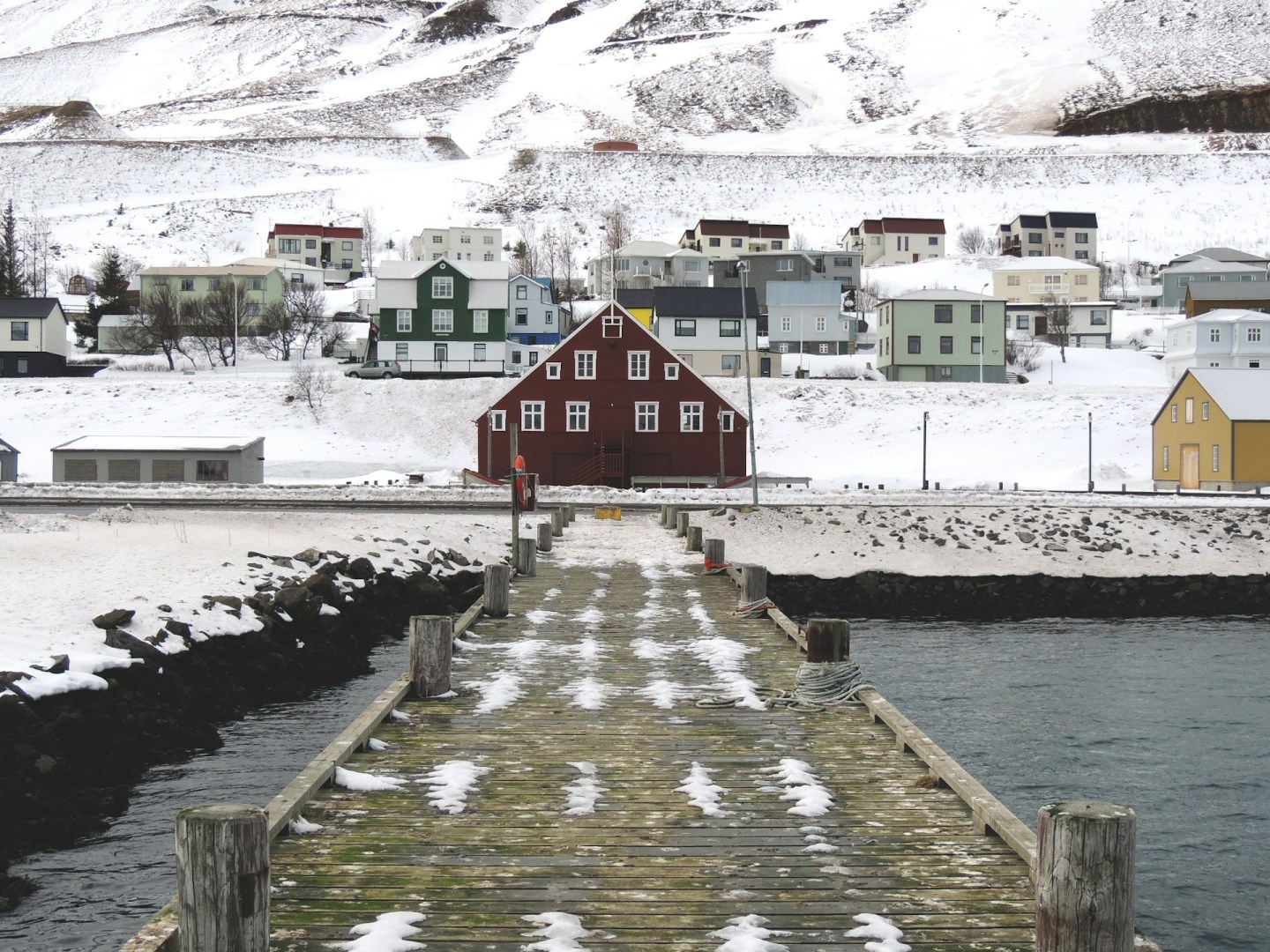
Siglufjörður is Iceland’s northernmost mainland town, set at the head of a narrow fjord on the mountainous Trollaskagi Peninsula. Steep slopes rise closely around the harbor, giving the settlement a compact setting shaped by the sea and mountains. Fishing remains central to local life, while the harbor, small streets, cafés, galleries, and museums reflect the town’s role as a regional community.
Langebaan
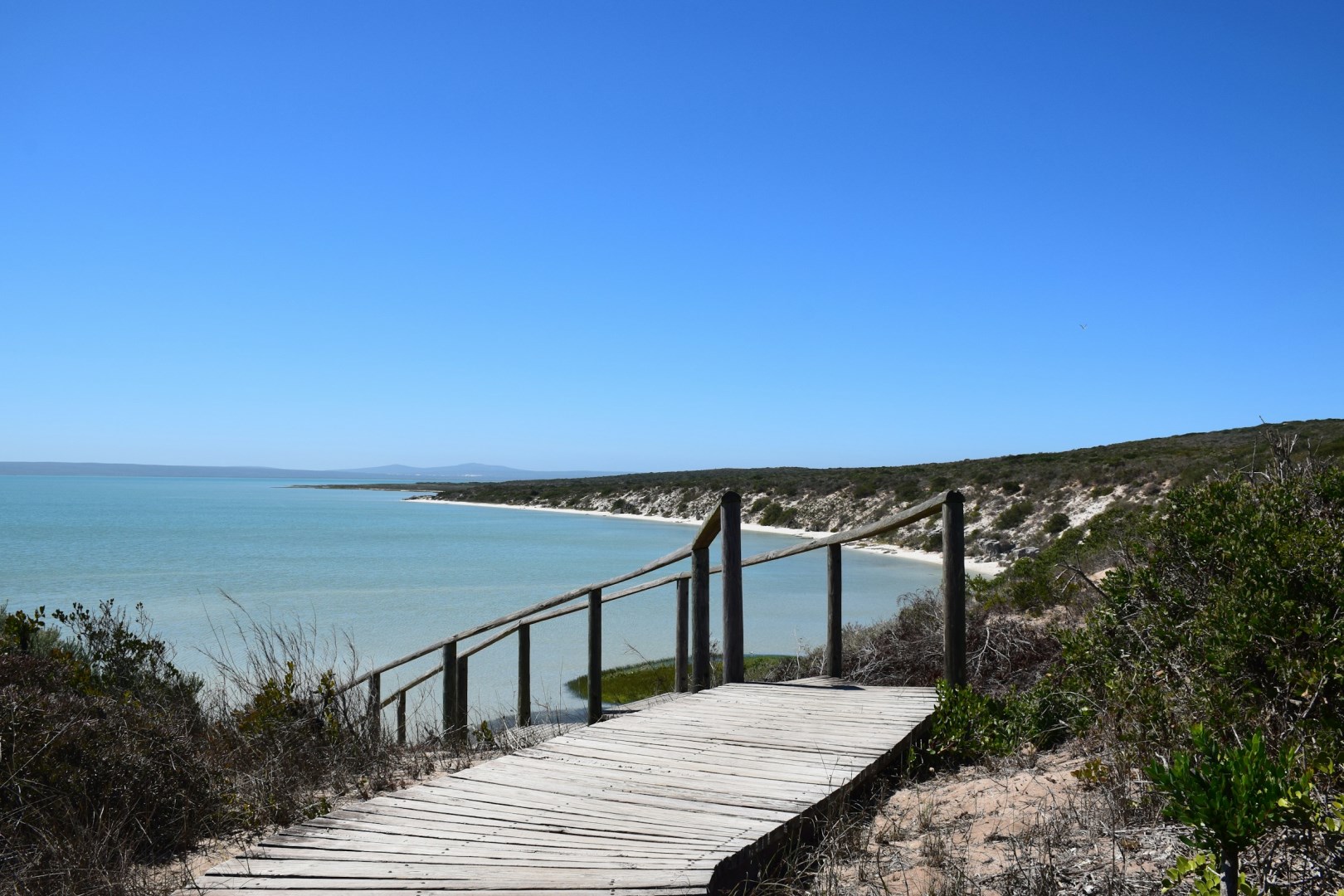
Langebaan is a coastal town in South Africa’s Western Cape, set along the eastern shore of Langebaan Lagoon about 120 kilometres north of Cape Town.
Okaukuejo
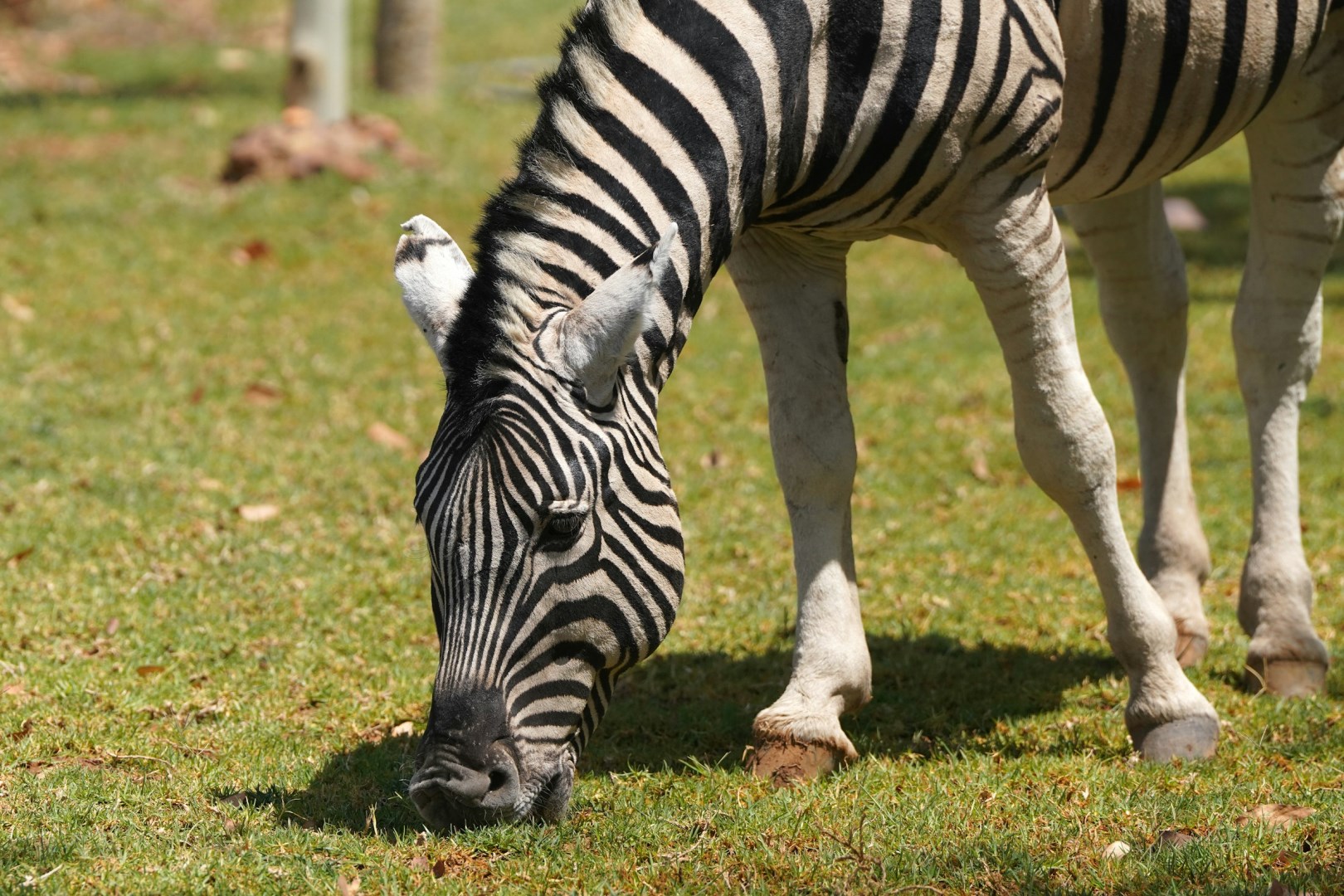
Okaukuejo is a settlement and rest camp in the southern part of Etosha National Park, serving as an important administrative and tourism center for the protected area. It lies near the park’s southern entrance and is surrounded by the open plains, salt pans, and dry savanna that define central Etosha. The area is particularly known for its permanent waterhole, where wildlife gathers when water is scarce.
