

Bad Schandau
Nestled in the heart of Saxon Switzerland, Bad Schandau, Germany, is a picturesque spa town that enchants visitors with its stunning natural landscapes, historic charm, and wellness offerings. Set along the banks of the Elbe River and surrounded by the towering sandstone cliffs of the Elbe Sandstone Mountains, Bad Schandau serves as a gateway to the breathtaking Saxon Switzerland National Park.

Sydney
Sydney, Australia, is a vibrant city where iconic landmarks, diverse neighborhoods, and natural beauty converge. The Sydney Opera House, with its striking sail-like design, and the Sydney Harbour Bridge are symbols recognized around the world, yet the city offers much more beyond its famous skyline.

Donegal
Donegal, a picturesque town nestled in the northwest of Ireland, offers a perfect blend of rich history, rugged landscapes, and a warm Irish welcome. Known for its dramatic coastline along the Wild Atlantic Way, Donegal is a haven for nature lovers, history buffs, and those seeking an authentic slice of Irish life. The town's centerpiece, Donegal Castle, built by the O'Donnell clan in the 15th century, provides a fascinating glimpse into the region's Gaelic heritage.
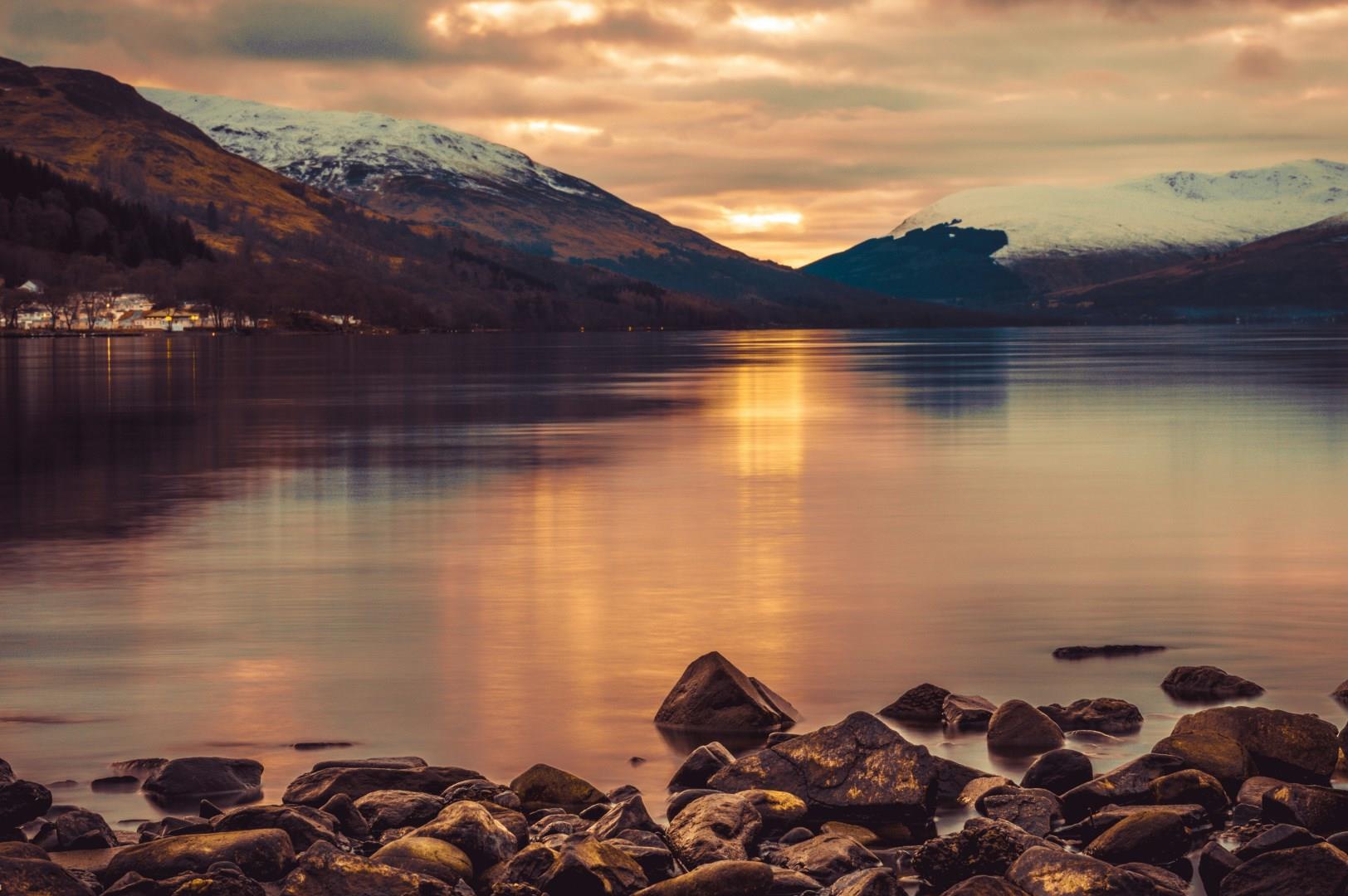
Loch Lomond
Loch Lomond, the largest lake in Great Britain by surface area, sits at the gateway to the Highlands and offers visitors a wide variety of ways to explore its islands, waters, and surrounding hills. Stretching over 22 miles and dotted with more than 30 islands, the loch has long been a source of inspiration for poets, musicians, and travelers.

Fiji
Fiji, a tropical haven in the heart of the South Pacific, is made up of over 330 islands, each with its own distinct character. The islands boast lush rainforests, soaring mountains, and white sandy beaches, offering a wide range of activities, from kayaking through calm lagoons and paddleboarding along scenic coastlines to zip-lining through lush rainforests and hiking across mountainous terrain.
