
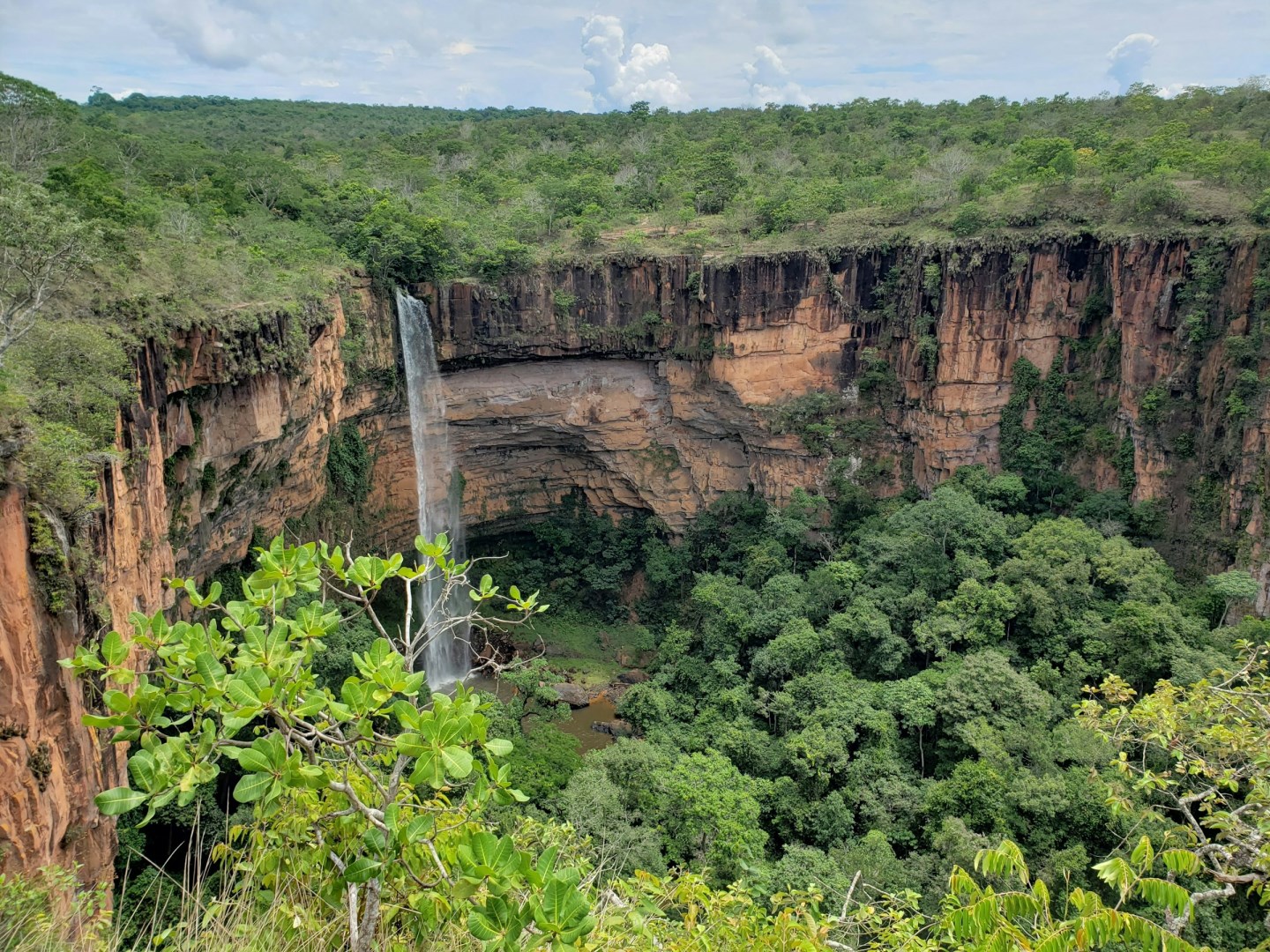
Cuiabá
Cuiabá is the capital of Mato Grosso in central-western Brazil and an important gateway to the Pantanal, Chapada dos Guimarães, and other natural areas of the state. The city developed around gold mining and later became an important regional center along the Cuiabá River. Its historic center contains colonial churches, traditional houses, and public squares, while newer districts extend well beyond the old city.
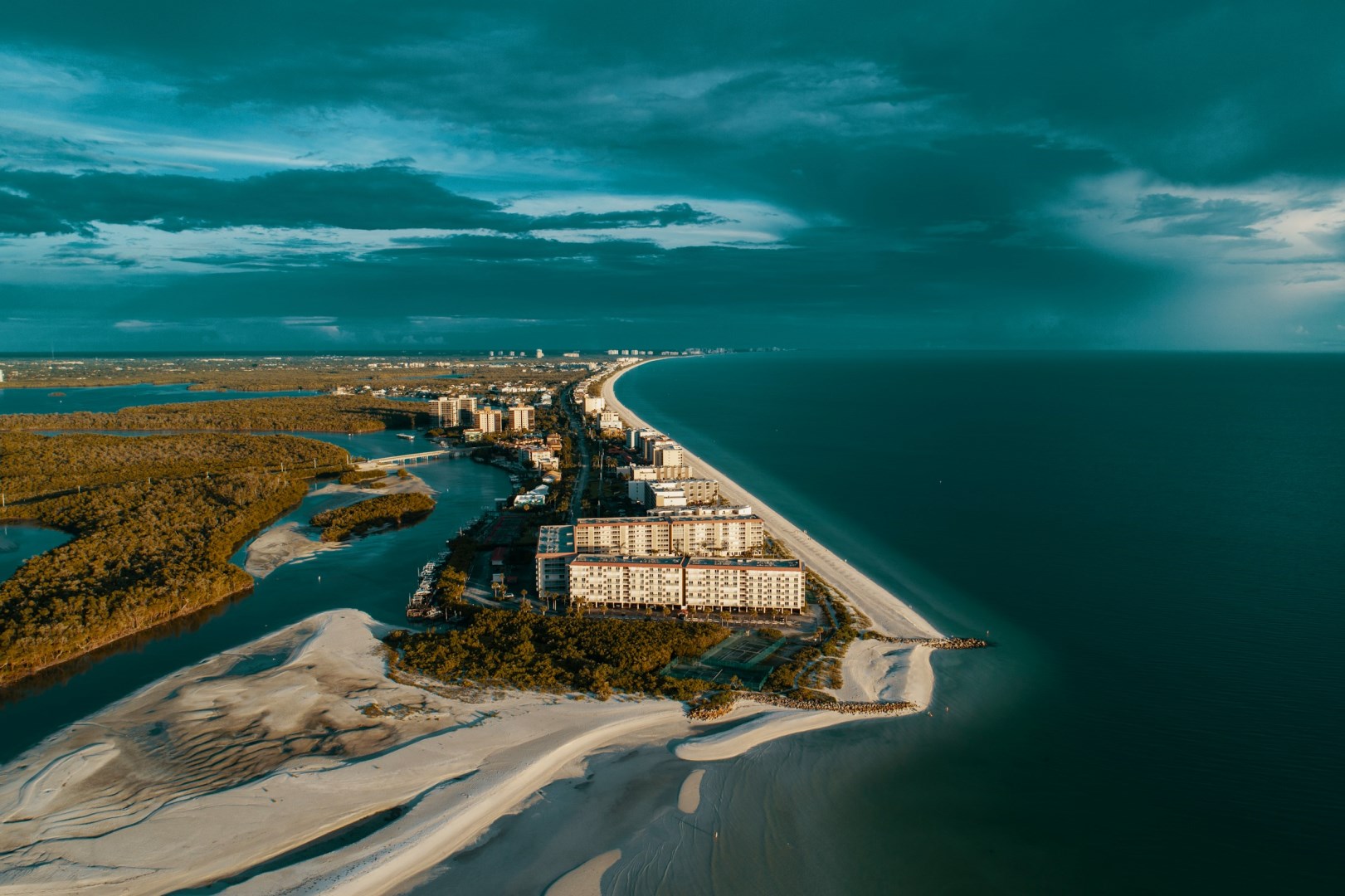
Bonita Springs
Bonita Springs is a coastal city in Southwest Florida, positioned between Fort Myers and Naples along the Gulf of Mexico. The community extends from the inland waters of the Imperial River to beaches and barrier islands along the Gulf, giving it a strong connection to both freshwater and saltwater environments. Its landscape includes mangrove forests, sandy beaches, pine flatwoods, and wetlands.
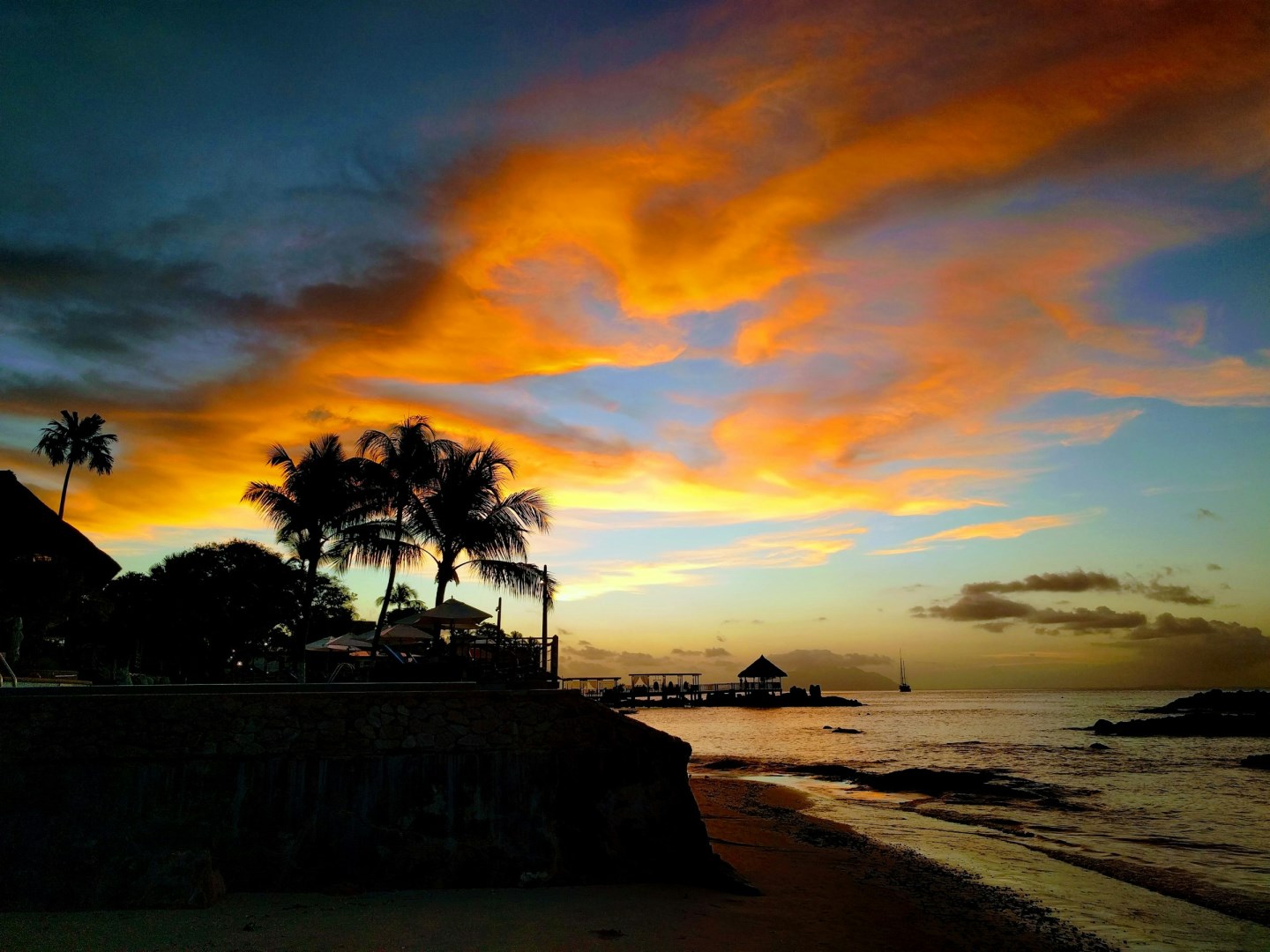
Bel Ombre
Bel Ombre is a coastal village and rural district on the southwestern side of Mauritius, set between the Indian Ocean and the forested slopes of the Black River Gorges. The area is known for its combination of sugar-growing land, native forest, rivers, and a sheltered lagoon. Much of the surrounding landscape forms part of the wider Bel Ombre estate, where agriculture has gradually been joined by conservation and tourism.
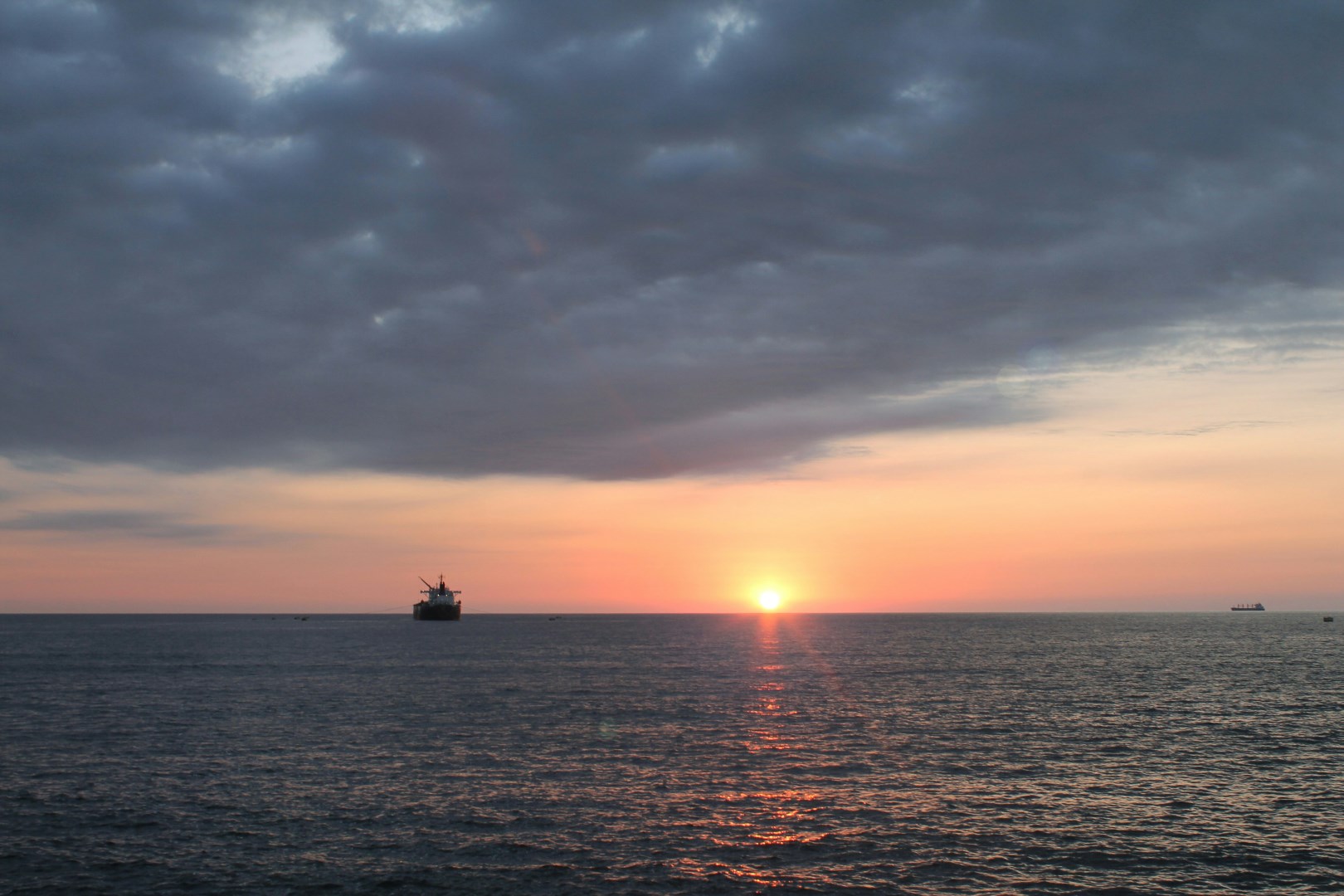
Acajutla
Acajutla is the principal Pacific port of El Salvador, located in the department of Sonsonate along the country’s western coastline. The city plays an important role in trade and transportation, with cargo ships, fishing boats, and industrial facilities shaping much of the waterfront activity.
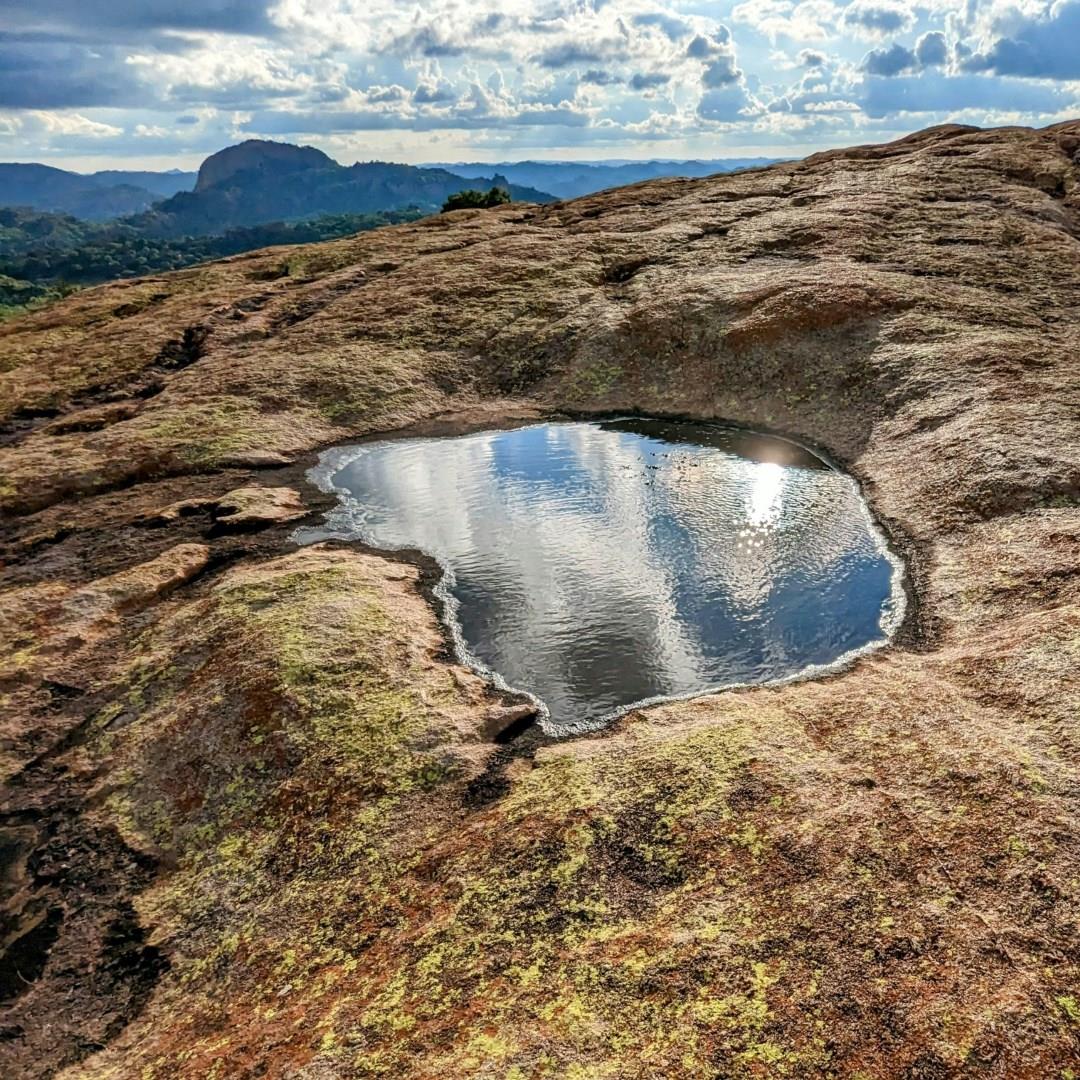
Matobo National Park
Matobo National Park sits in the rolling hills of southern Zimbabwe stands as one of the country’s most remarkable landscapes. Its granite domes, balancing rocks and wooded valleys have formed over more than two billion years, creating a setting that feels both ancient and alive. As a UNESCO World Heritage cultural site, the park preserves a landscape that has shaped human life here for millennia, drawing travelers to explore its unusual terrain and storied past.
