

Cook Islands
The Cook Islands, a group of 15 islands scattered across the South Pacific, offer a rare blend of Polynesian tradition and laid-back island charm. Rarotonga, the largest and most visited island, is ringed by a turquoise lagoon and backed by lush mountains. Visitors can circle the entire island in under an hour, stopping along the way for fresh coconut, beachside cafés, or a quick swim in the clear lagoon.

Freycinet National Park
Freycinet National Park, located on the east coast of Tasmania, Australia, is a natural paradise that entices travelers with its dramatic pink granite peaks, secluded bays, and pristine beaches. The park is home to the iconic Wineglass Bay, often touted as one of the world's most beautiful beaches, with its crescent-shaped shore of soft white sand and crystal-clear turquoise waters.
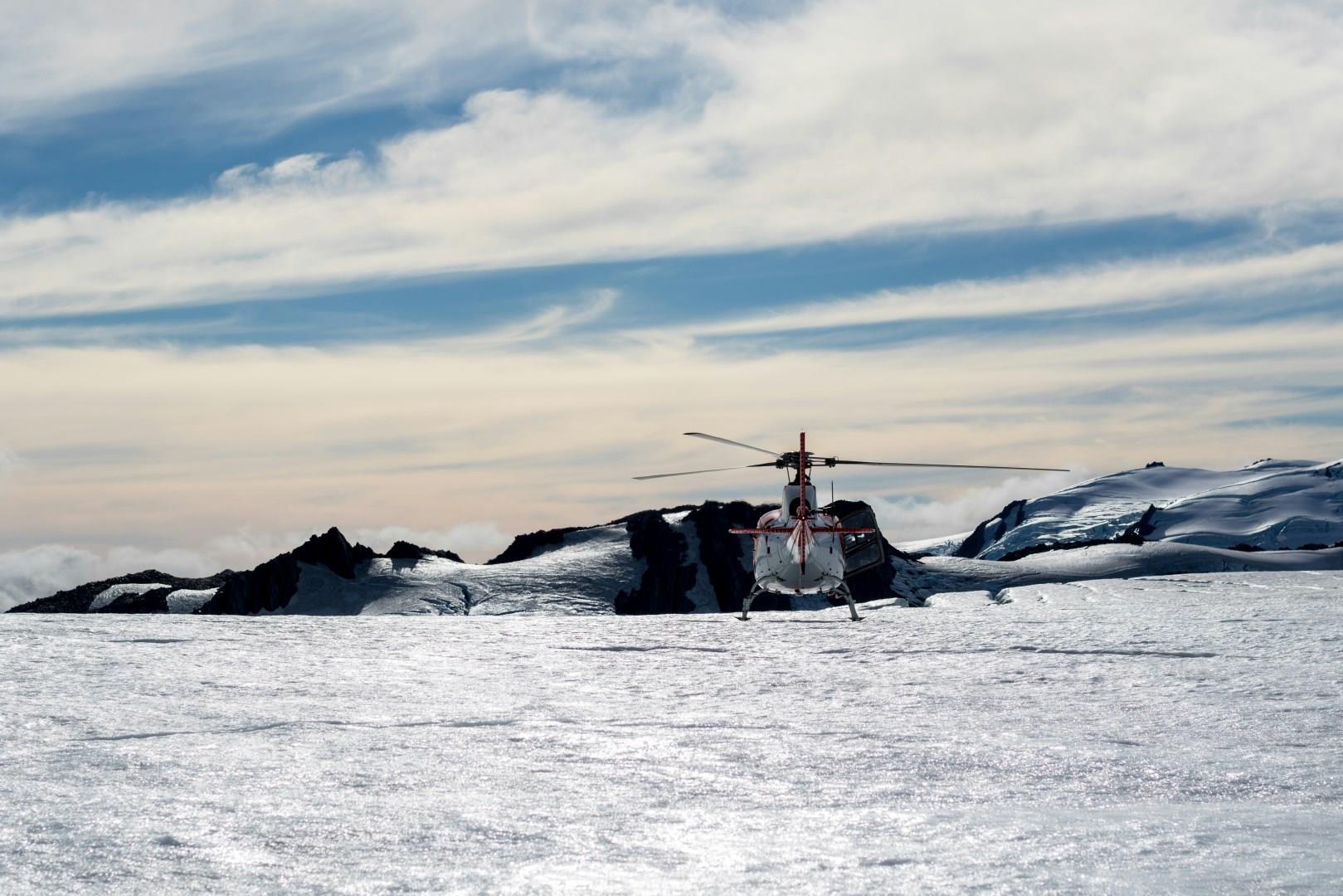
Fox Glacier
Fox Glacier, on New Zealand’s South Island, is one of the country’s most remarkable natural wonders, where icy landscapes meet lush rainforest. Named after Sir William Fox, a 19th-century Prime Minister of New Zealand, the glacier stretches from the high peaks of the Southern Alps down into temperate rainforest.

St. Jean de Luz
Nestled along the Basque coast in southwestern France, St-Jean-de-Luz is a picturesque fishing town that exudes a unique blend of French elegance and Basque charm. Known for its beautiful sandy beaches and its well-preserved old town, St-Jean-de-Luz is a gem of the French Basque Country.

Fort-de-France
Capital of Martinique, a French overseas territory, Fort-de-France is a veritable island paradise replete with striking colonial architecture, exotic flora and fauna, verdant nature parks, and sparkling beaches. Highlights of this vibrant island capital include the colorful Jardin de Balata, the cascading Fontaine Didier waterfall, and the expansive Schoelcher Library.
