
Richards Bay
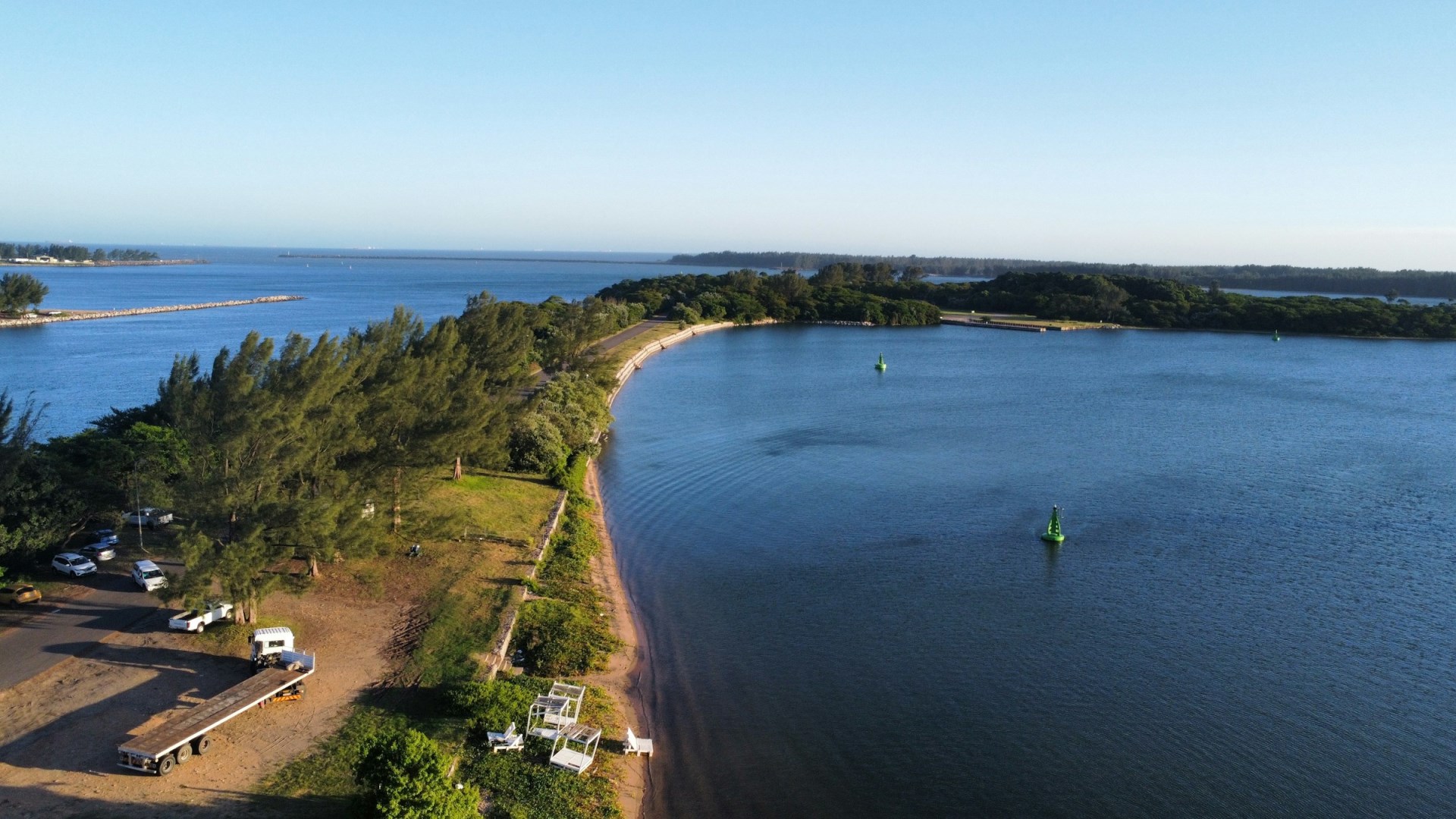
Richards Bay is a coastal city in KwaZulu-Natal, set around the Mhlatuze River estuary where wetlands, lagoons, beaches, and the Indian Ocean meet. It is both an important industrial centre and a gateway to the Zululand coast, giving the city a distinctive combination of working harbour and protected natural areas. Richards Bay is known for its deep-water port, while nearby Alkantstrand provides a popular beach setting.
Pongara National Park
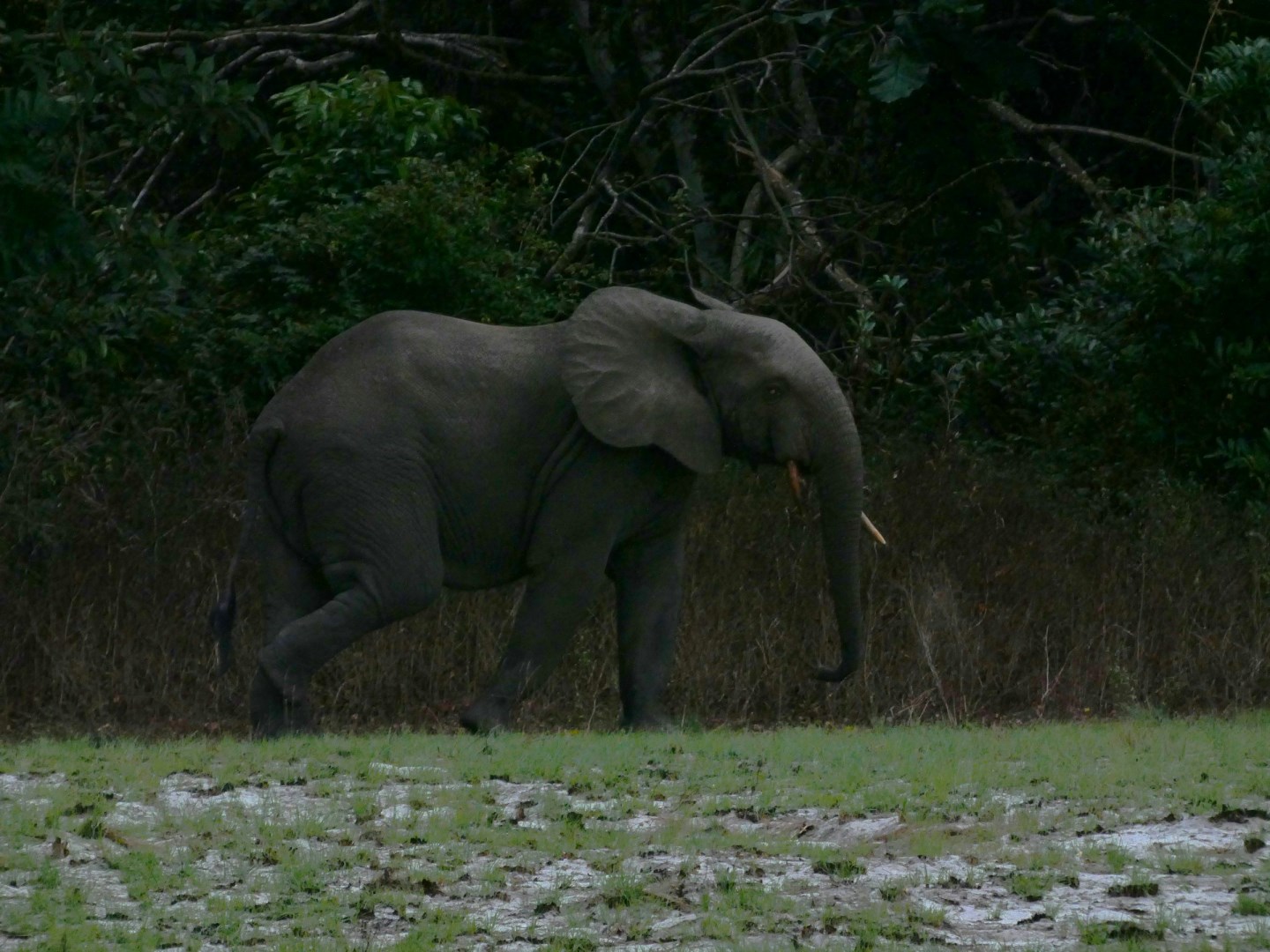
Pongara National Park protects a broad coastal landscape on the southern side of Gabon’s Komo Estuary, across the water from Libreville. Covering more than 96,000 hectares, the park includes Atlantic beaches, mangrove forests, tidal mudflats, lagoons, freshwater swamps, riverine forest and grassy savanna.
Brasília
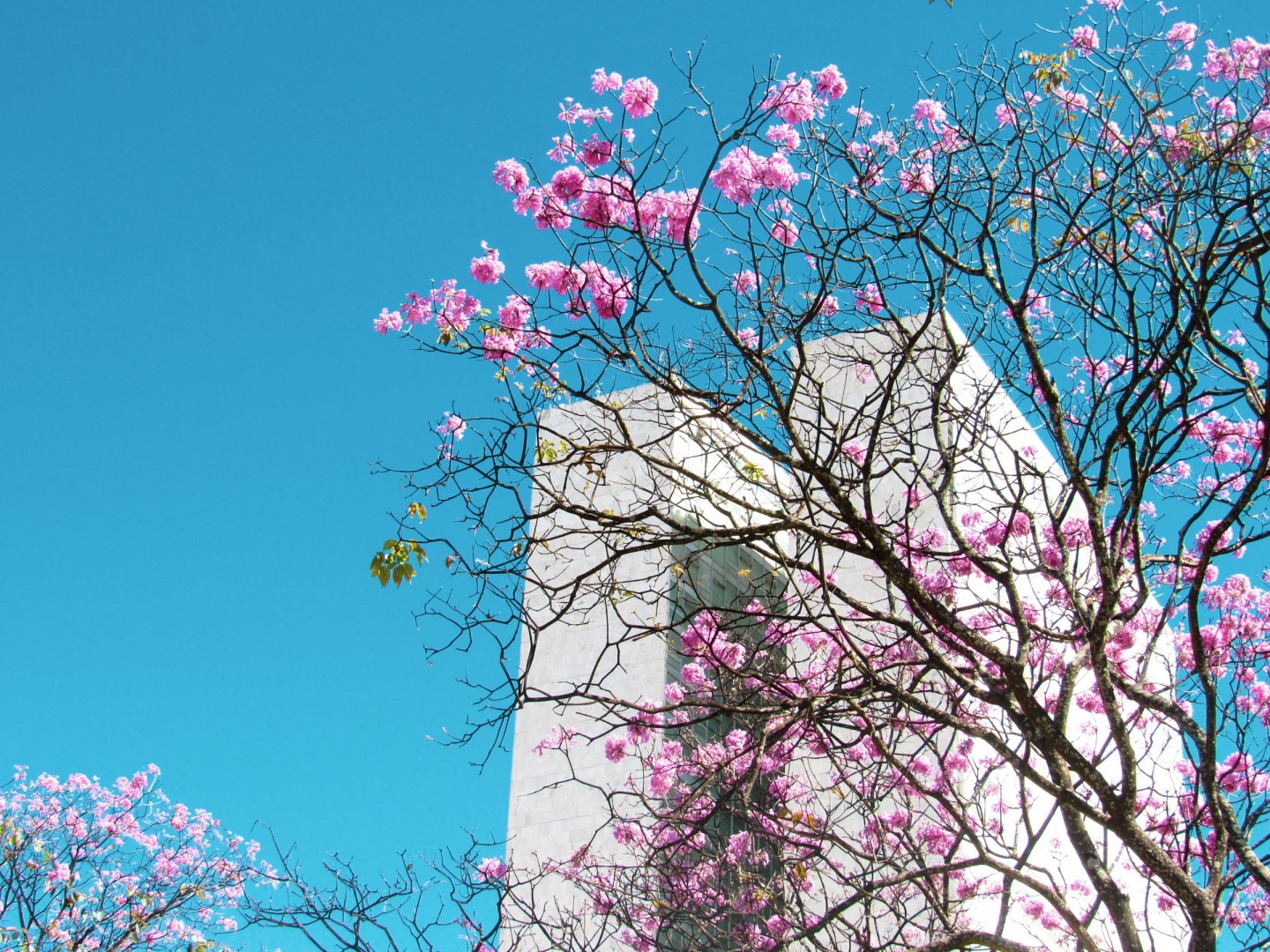
Brasília may be a World Heritage Site, but it is only of interest to town planning and architecture students, and those keen to witness the folly of man on a metropolitan scale. It must have looked good on paper, and still looks good in photos, but in the flesh, forget it. Designed by architect Oscar Niemeyer, urban planner Lucio Costa, and landscape architect Burle Marx, the city was built in an incredible three years between 1957 and 1960.
Benguerra Island
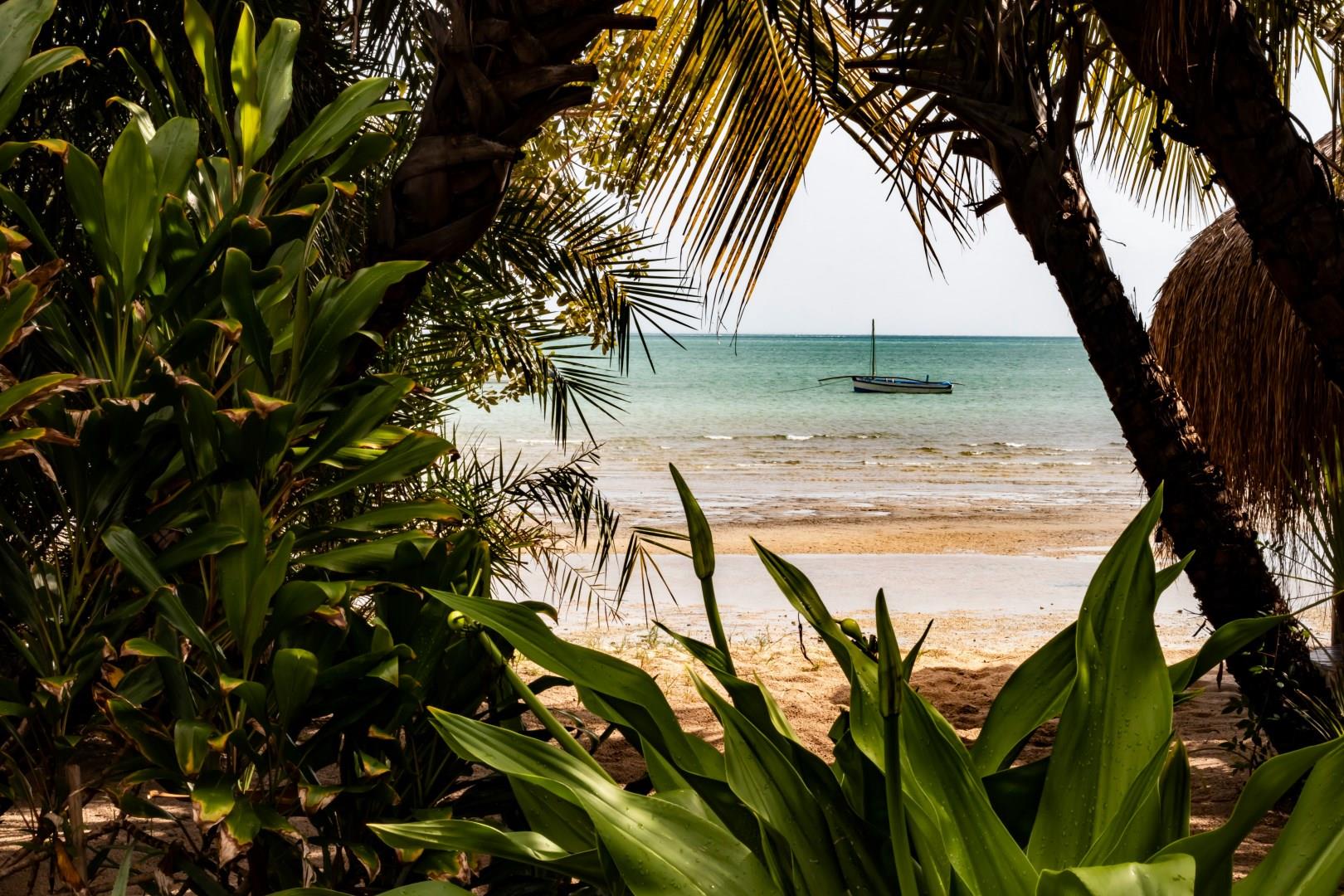
Benguerra Island, part of Mozambique’s Bazaruto Archipelago, is a tropical paradise known for its pristine beaches, turquoise waters, and rich marine life. Accessible by boat from Vilankulo, the island offers a secluded retreat where visitors can enjoy sun-soaked sandbanks, coral reefs, and the gentle sway of palm trees. Its small size and limited development help maintain an intimate atmosphere that feels far removed from bustling tourist hubs.

Abruzzo
Abruzzo, a hidden gem in central Italy, offers travelers a captivating blend of medieval history, stunning natural landscapes, and authentic Italian charm. Known as "the greenest region in Europe," Abruzzo is home to three national parks, including Gran Sasso e Monti della Laga, which features some of the highest peaks in the Apennines.
