

Aruba
Aruba, the “One Happy Island,” blends Caribbean charm with a distinct Dutch influence that shapes its culture, cuisine, and colorful architecture. Located just outside the hurricane belt, it enjoys year-round sunshine, making it a favorite destination for travelers seeking both relaxation and adventure.

Bridgetown
Bridgetown, the lively capital of Barbados, is a city where history and Caribbean culture meet on the island’s southwestern coast. Founded in the 17th century, its historic core is recognized as a UNESCO World Heritage Site, with landmarks that reflect both British colonial influence and local heritage.
Limon
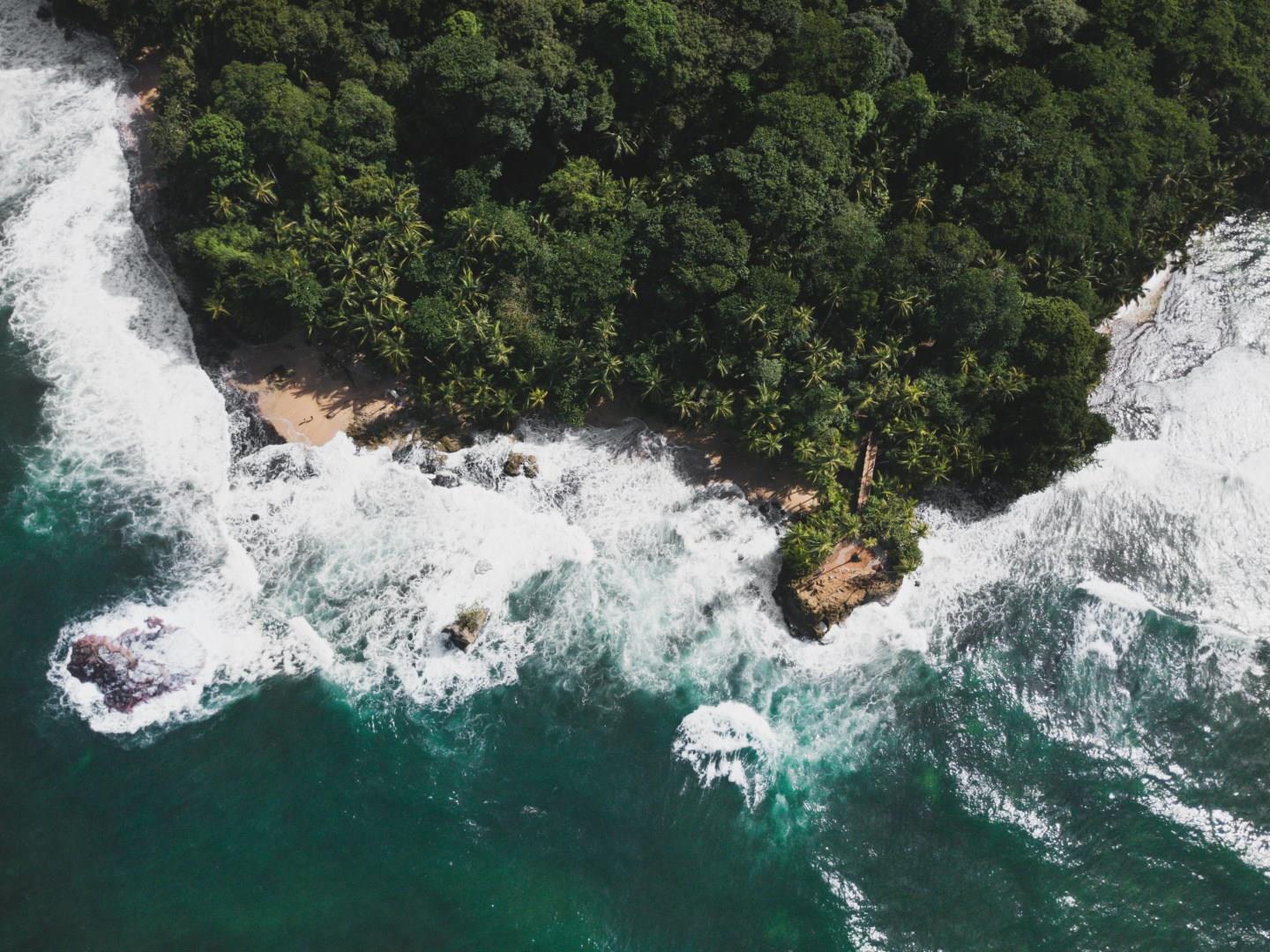
Limón, located on Costa Rica’s Caribbean coast, is a city shaped by Afro-Caribbean heritage, maritime trade, and lush tropical surroundings. Founded in the late 19th century as a port for exporting bananas and coffee, Limón developed a distinct cultural identity influenced by Jamaican, West African, and Central American traditions.
Glendalough
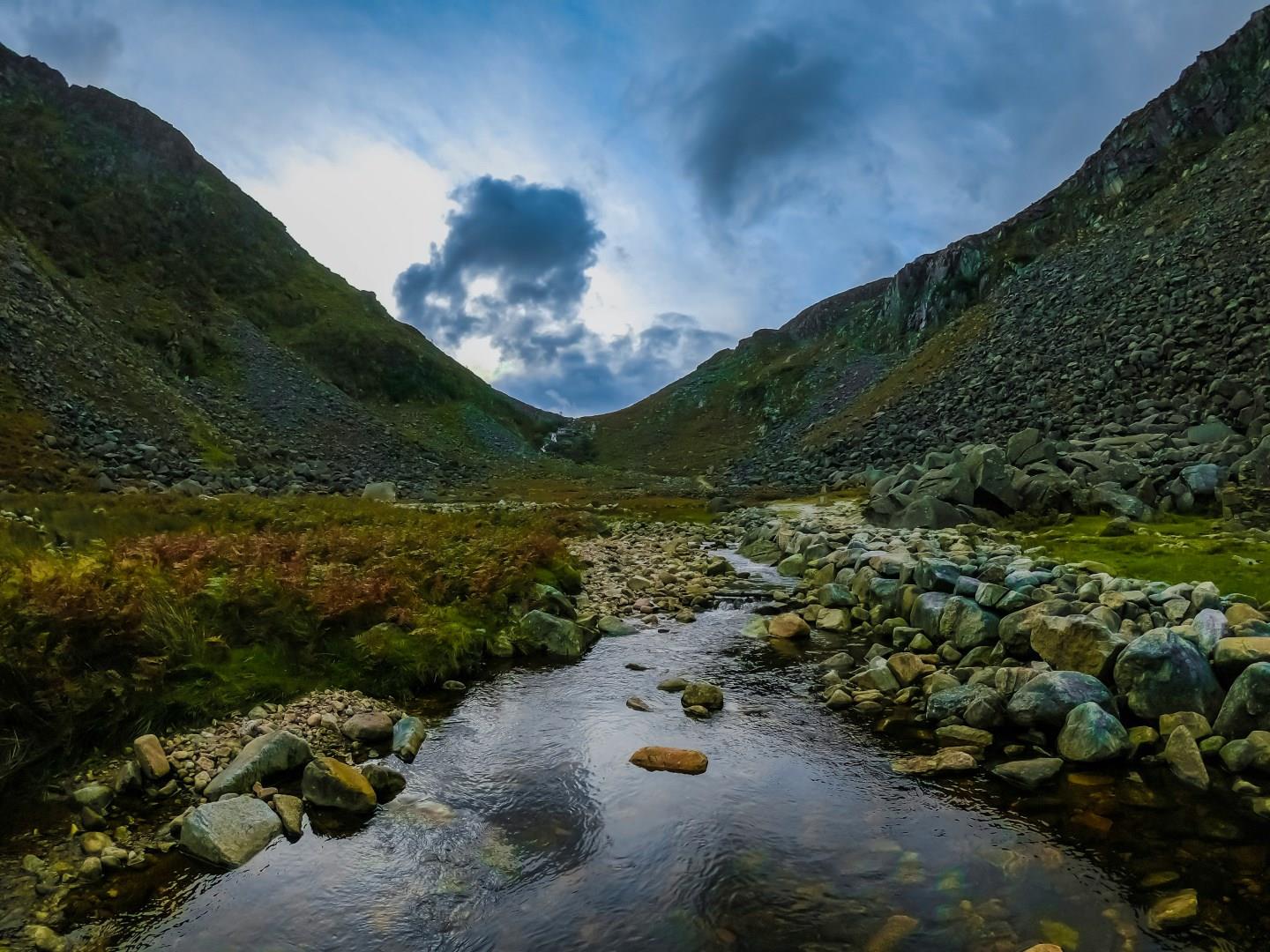
Glendalough, located in County Wicklow, is one of Ireland’s most historically significant and visually striking valleys. It’s best known for its early medieval monastic site, founded by St. Kevin in the 6th century. The round tower, cathedral ruins, and stone churches that remain today are surrounded by forests, lakes, and mountain trails, creating a setting that feels both ancient and untouched.
Fort William
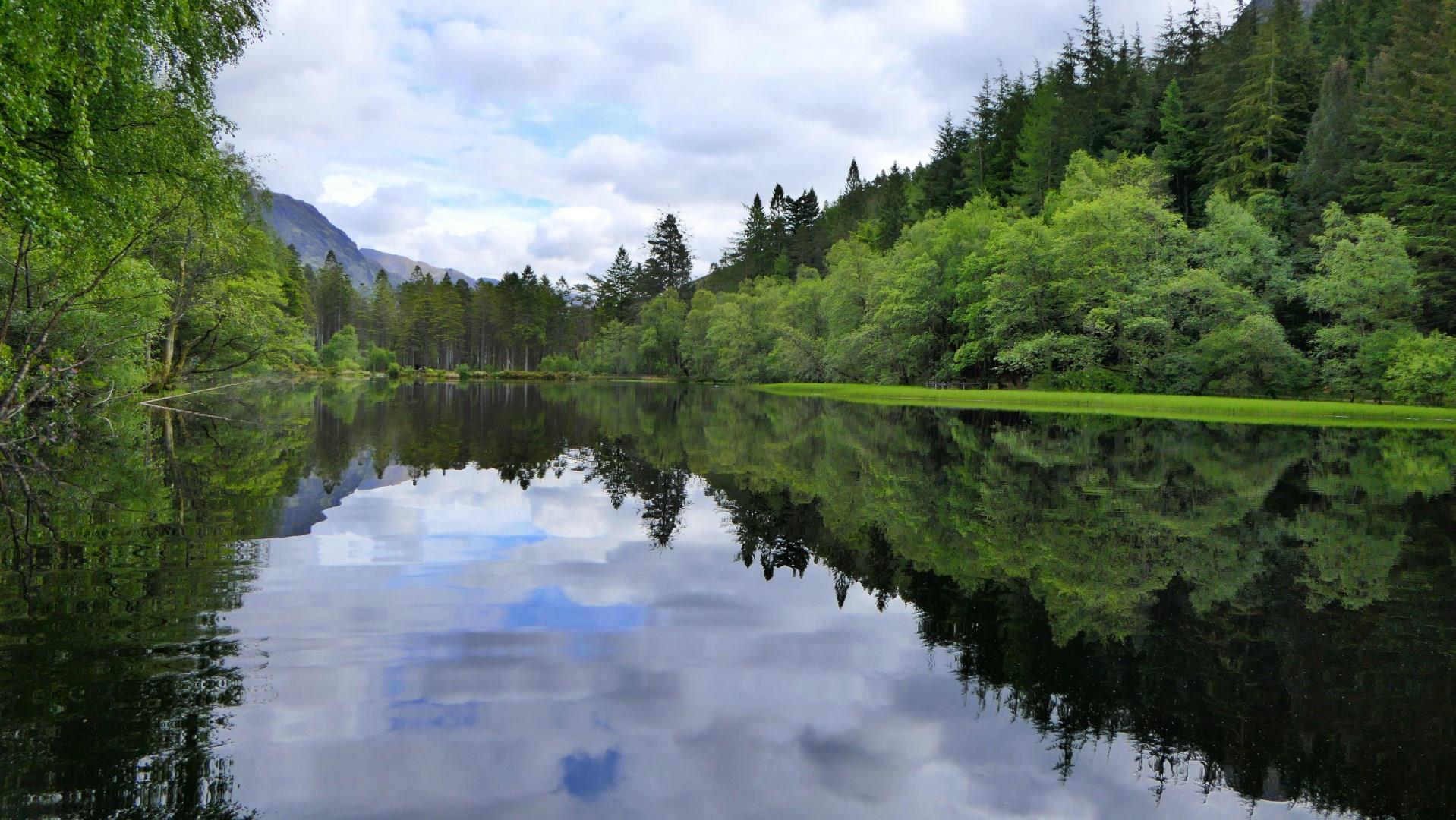
Fort William, located on the western edge of the Scottish Highlands, is often referred to as the “Outdoor Capital of the UK,” but there’s more here than rugged landscapes. Ben Nevis draws hikers from across the world, but visitors don’t need to climb to its summit to experience the scenery. Not far from town, Glen Nevis offers film fans a familiar view, scenes from *Braveheart*, *Harry Potter*, and *Highlander* were all filmed in this dramatic valley.
