
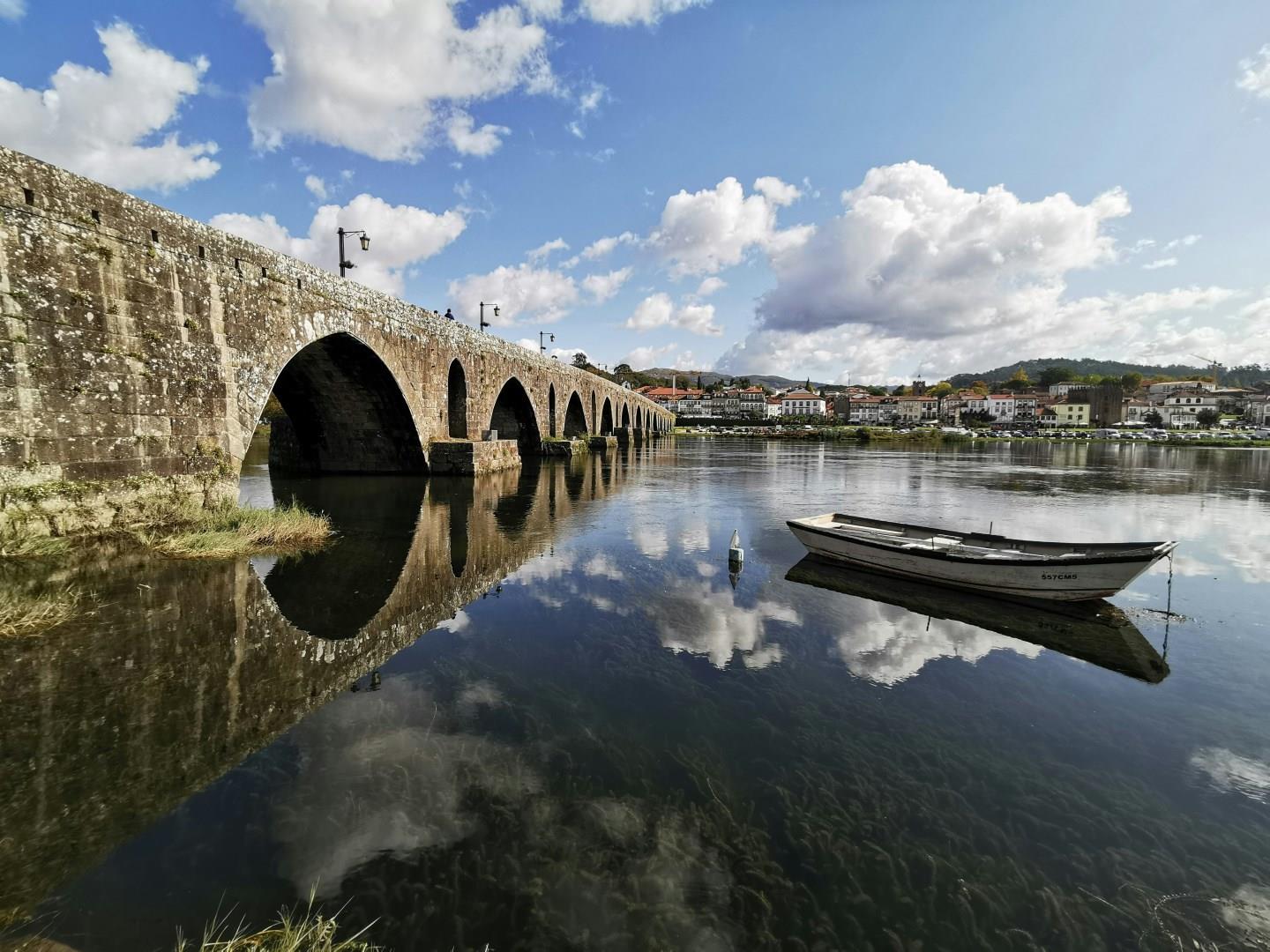
Ponte de Lima
Ponte de Lima sits along the Lima River in northern Portugal and is often regarded as the country’s oldest town. Its identity centers on the medieval bridge that spans the river, parts of which date back to Roman times and still structure how the town is experienced today.

Ghent
If it wasn't for Paris, Ghent would be medieval Europe's largest city. Steeped in history both rebellious and industrious, it sits at the junction of the Leie and Scheldt rivers and was once the site of armed battles by its townsfolk, who raged against heavy taxes and restricted civil liberties.

Spitzkoppe
Spitzkoppe, often referred to as the "Matterhorn of Namibia," is a stunning granite peak rising majestically from the desert floor, offering some of the most dramatic landscapes in the country. Located between Usakos and Swakopmund, this isolated mountain range, with its highest point standing at 1,728 meters, is a paradise for hikers, climbers, and nature lovers. The area is also rich in ancient San rock art, providing visitors with a glimpse into Namibia's prehistoric past.
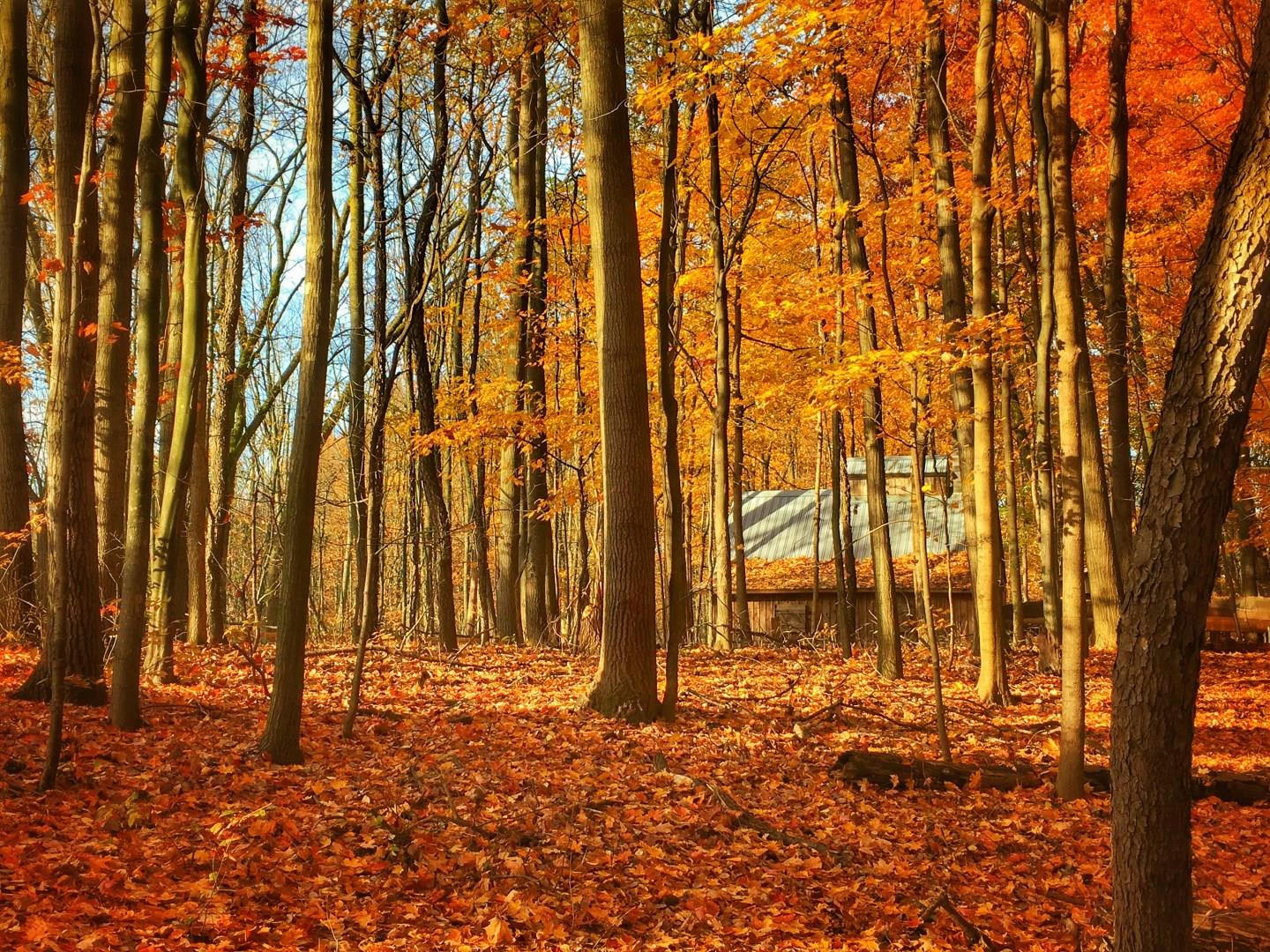
Grand Rapids
Grand Rapids sits along the Grand River in western Michigan, shaped by industry, reform, and a strong civic culture.
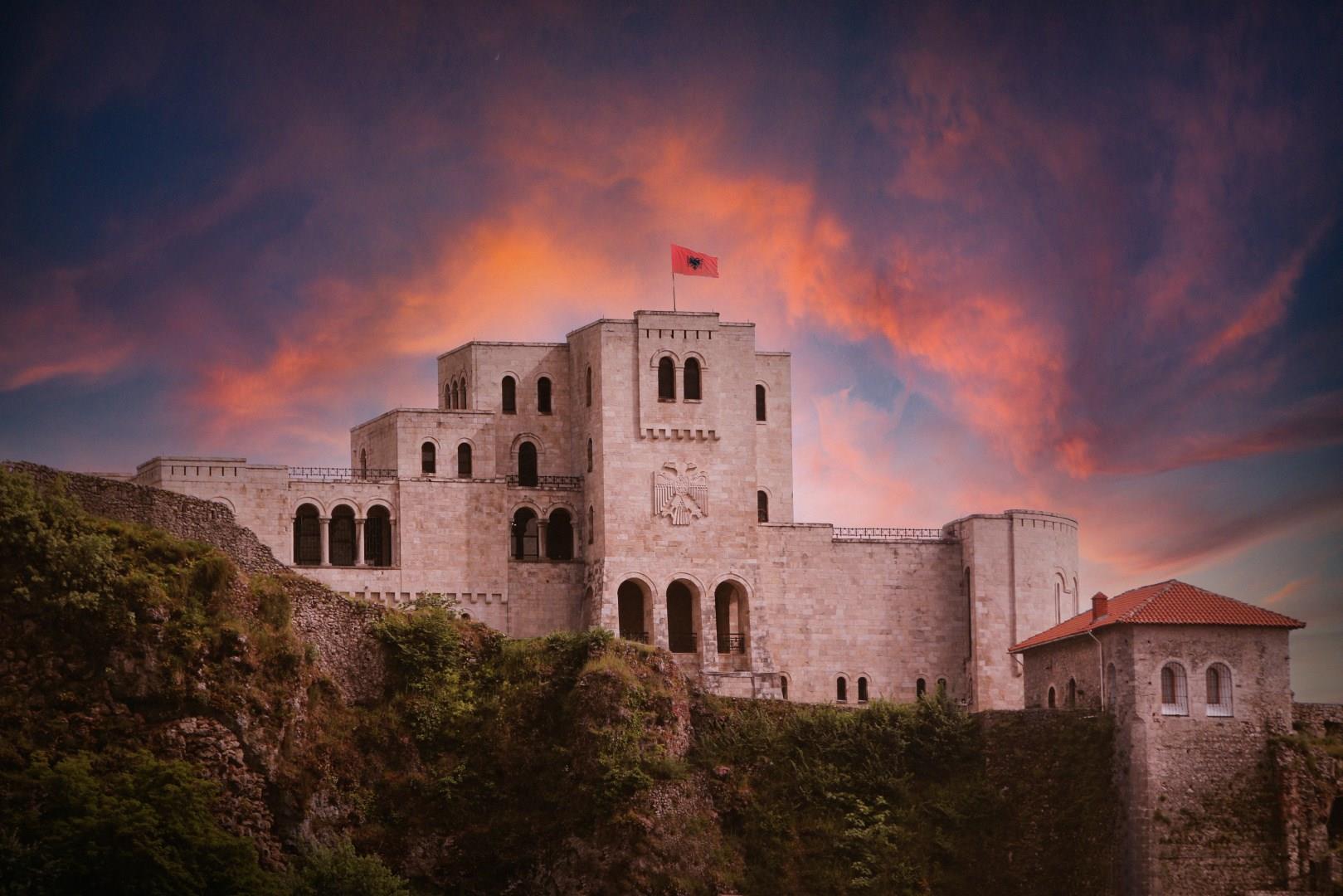
Krujë
Krujë sits on a rocky hilltop above central Albania and has long been a symbol of the country’s history and independence. At Krujë Castle ancient stone walls rise above the town and offer striking views of the surrounding hills and valleys, and inside the fortress visitors find the Skanderbeg Museum, where armor, documents and displays recount the life and battles of Albania’s national hero.
