
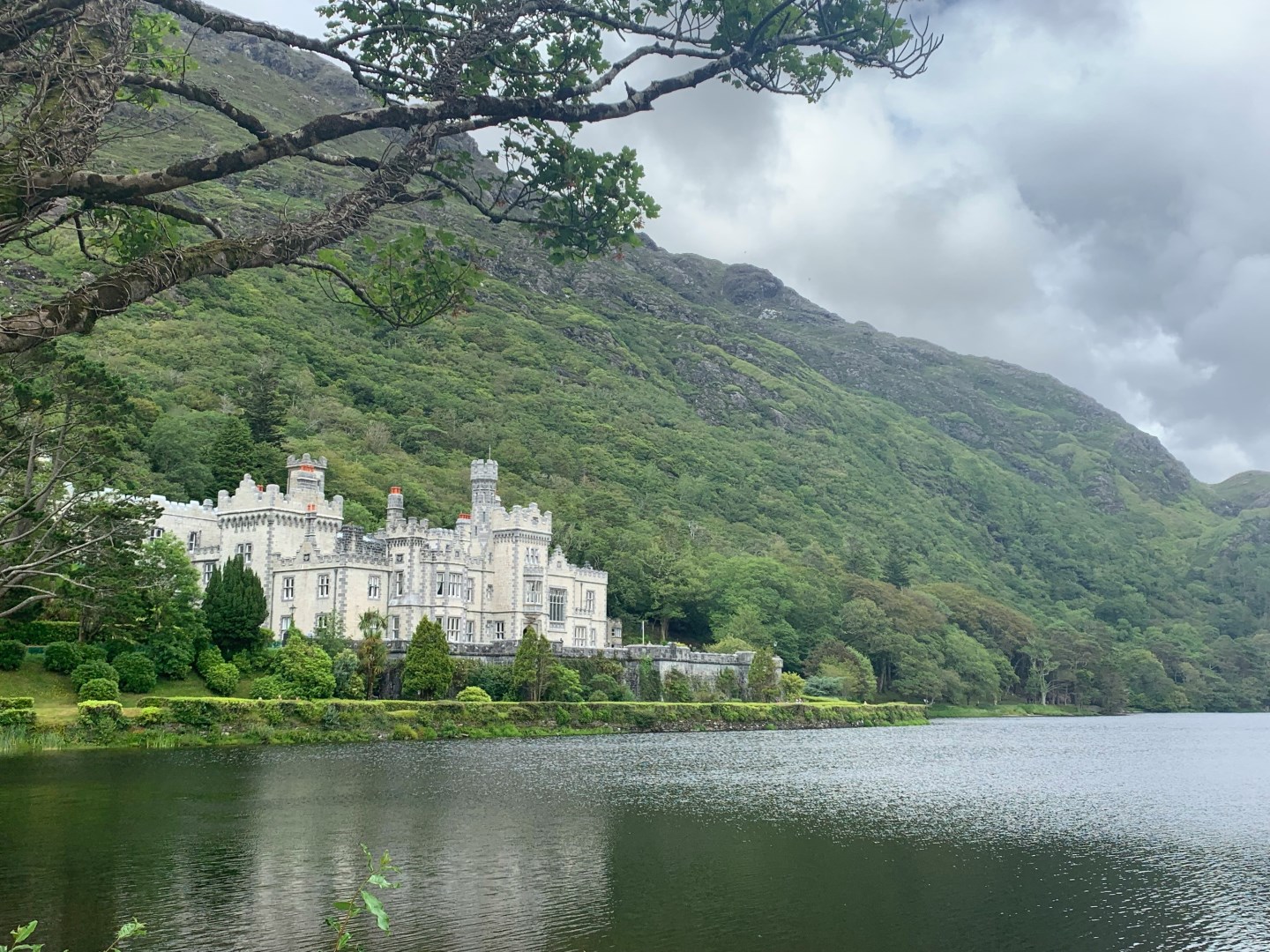
Kylemore
Kylemore, Ireland, sits quietly amidst the mountains and lakes of Connemara, offering visitors a blend of history and scenic views that feels both grand and intimate. The village is best known for Kylemore Abbey, a striking structure set against the backdrop of rolling hills and reflective waters. Visitors approaching the estate are greeted by formal gardens and woodland trails, where the reflections of the abbey shimmer in the calm lake.
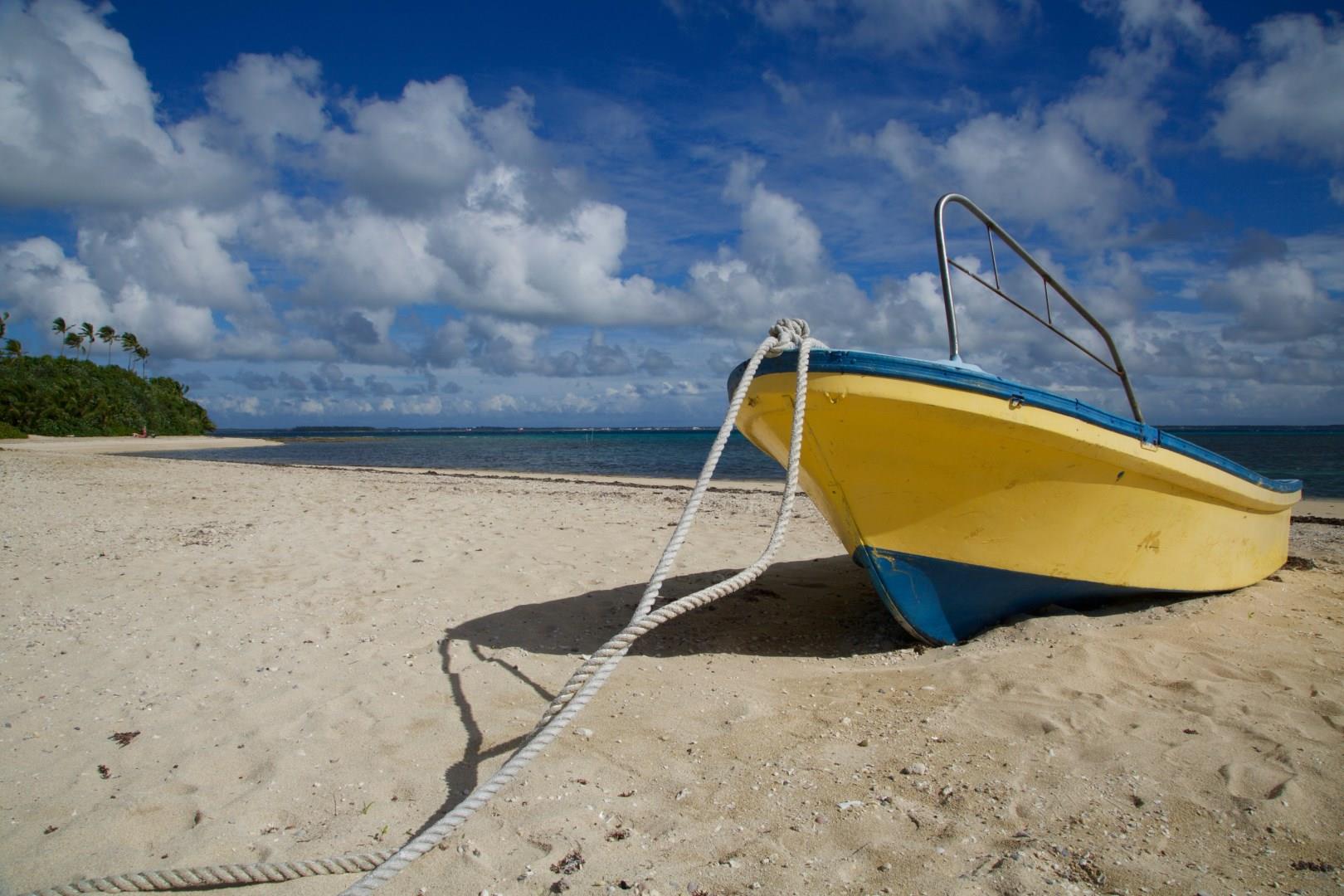
Tonga
Tonga is distinctly different to its neighboring island nations. This Polynesian kingdom, made up of 170 islands, carries a proud history that dates back over 3,000 years. On the main island of Tongatapu, travelers can explore ancient stone structures like the Haʻamonga ʻa Maui Trilithon—sometimes called the Stonehenge of the Pacific. Royal tombs in Lapaha offer a glimpse into the lineage of Tonga’s kings, while village life remains guided by customs that have changed little over centuries.

Dijon
Dijon is the capital of the Burgundy region in eastern France and a city renowned for its rich history, architectural beauty, and, of course, its world-famous mustard. With the city's origins dating back to Roman times, Dijon boasts an impressive array of historical sites, including the Église Notre-Dame and Palais des Ducs, one of France's most outstanding museums of fine arts.

Massachusetts
Massachusetts, a state steeped in American history and vibrant culture, offers visitors a rich tapestry of experiences. Begin your journey in Boston, the state capital, where history comes alive along the Freedom Trail. This 2.5-mile route takes you through pivotal sites such as the Massachusetts State House, Paul Revere’s House, and the Old North Church, where the famous signal lanterns were hung during the American Revolution.
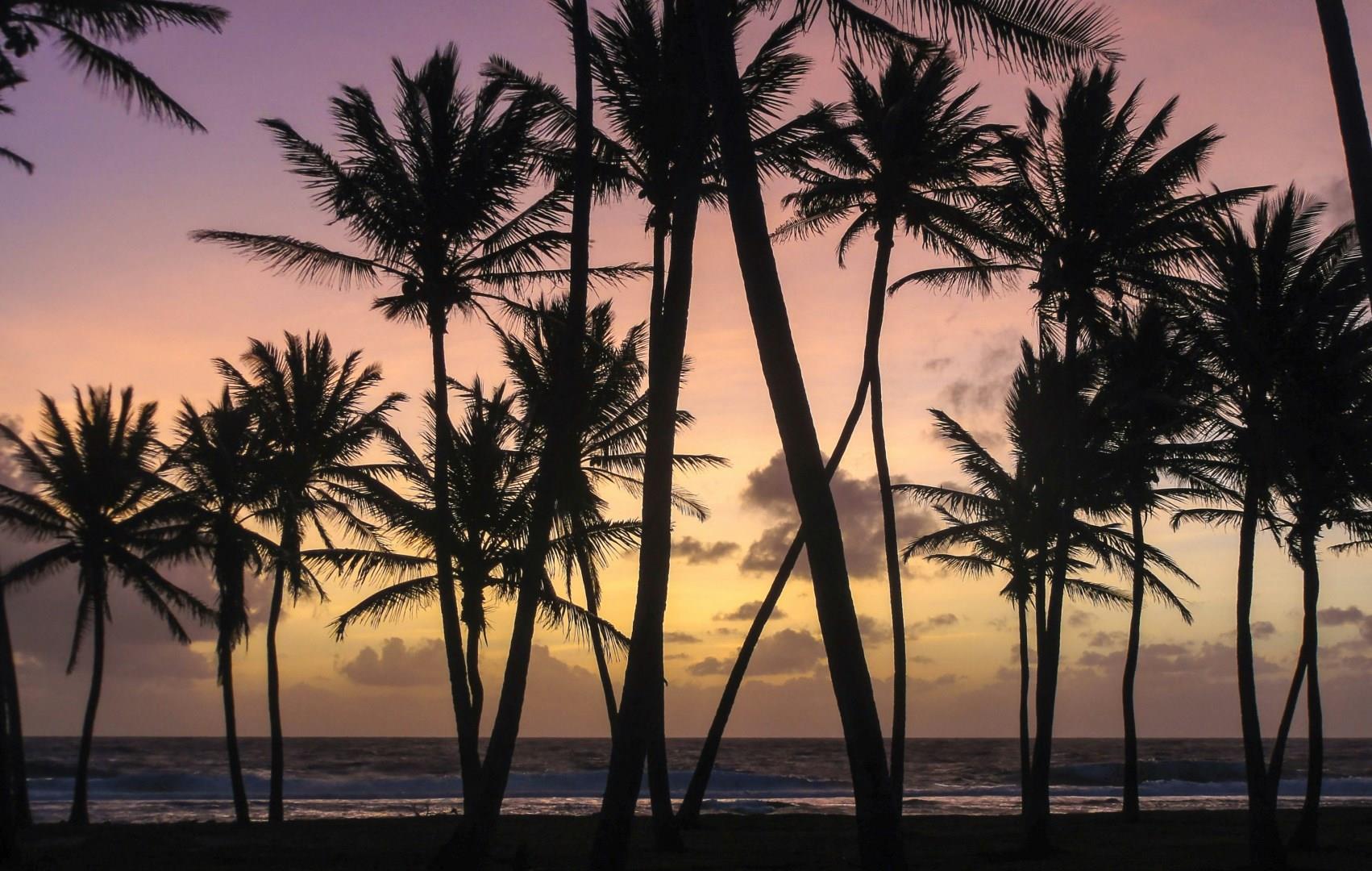
Marshall Islands
The Marshall Islands, a remote chain of atolls and islands in the central Pacific, invites travelers into a world where tradition, ocean life, and recent history all leave a lasting impression. Spread across nearly a million square miles of ocean, this independent nation offers rare access to some of the world’s most pristine marine environments.
