

Aalborg
Aalborg is the fourth largest city in Denmark and constitutes a natural center for the North Jutland region. In addition Aalborg is Denmark's largest conference center, outside Copenhagen. Aalborg has many cultural attractions which appeal to a wide variety of tastes; a varied night-life and more than 300 restaurants, bars and clubs.

Canary Islands
The Canary Islands, a Spanish archipelago off the northwest coast of Africa, offer far more than just sunshine and beaches. Made up of eight main islands, each with its own personality, the Canaries are a place where lunar landscapes, cloud forests, volcanic peaks, and historic towns coexist within short travel distances. On Tenerife, Mount Teide looms over a landscape of solidified lava and craters that look like a science fiction set.
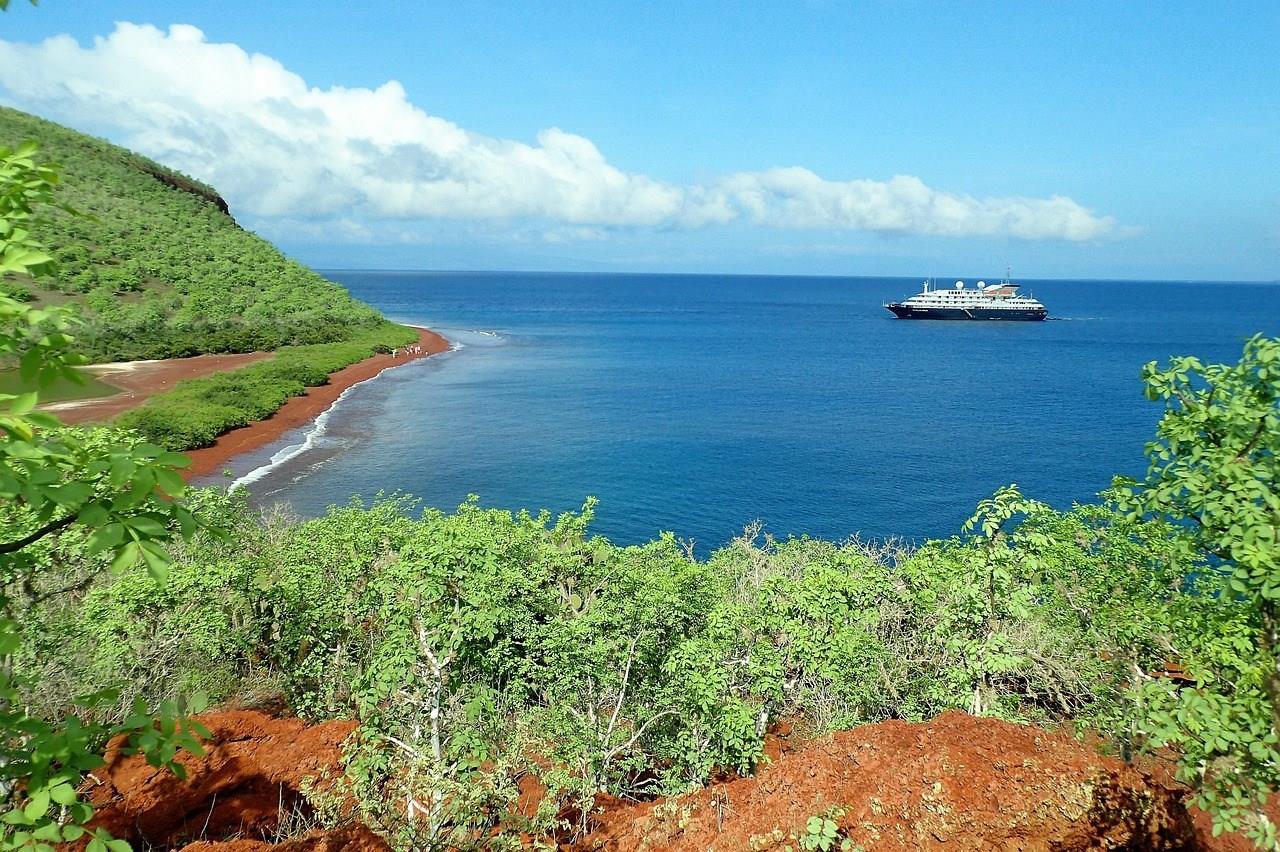
Rabida Island
Rábida Island is one of the most visually striking islands in the Galápagos, known for its deep red volcanic shoreline and quiet, unspoiled atmosphere. Located near the center of the archipelago, the island is geologically young, with iron-rich lava giving its beaches a dramatic rust-colored hue.
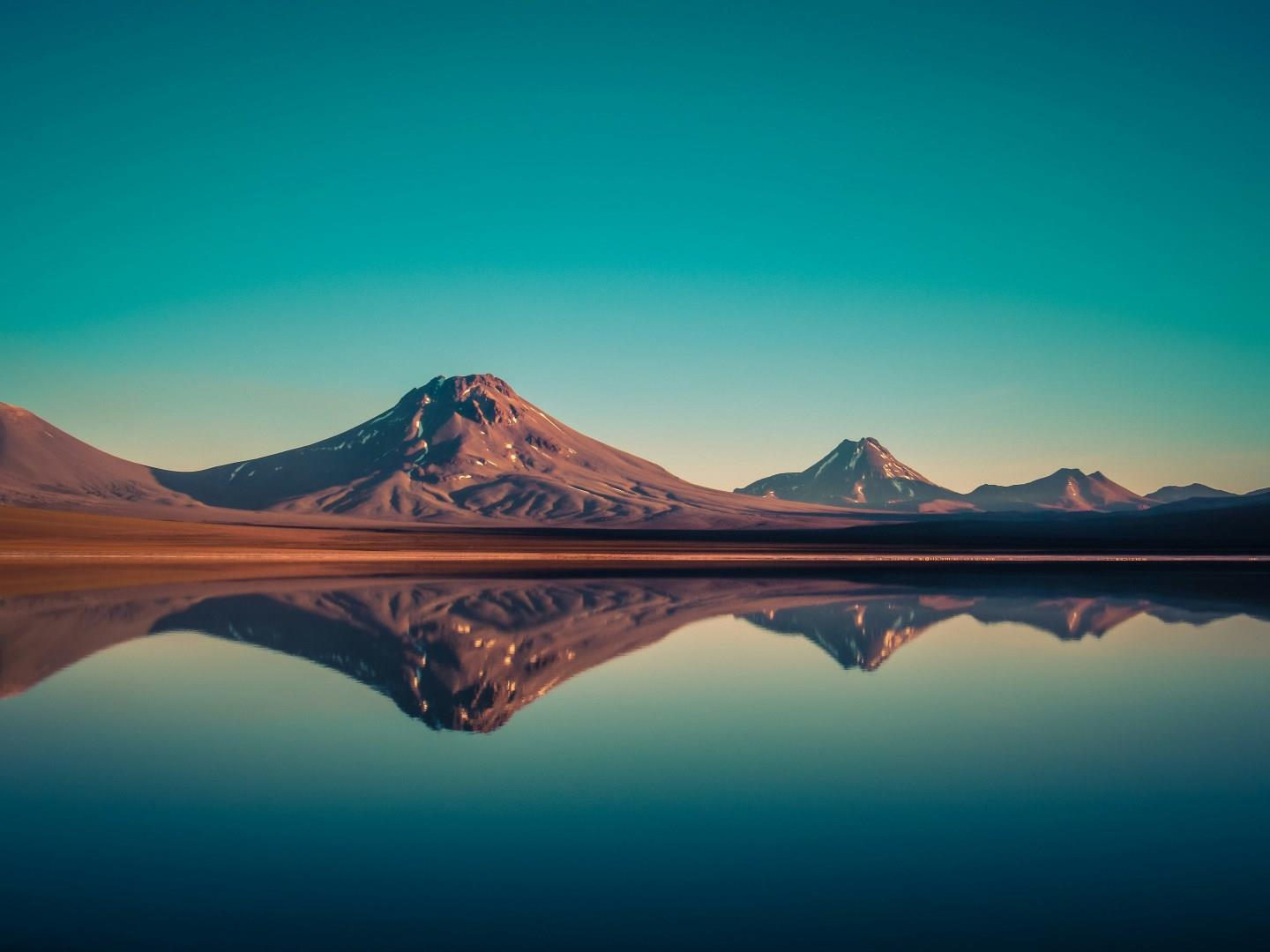
San Pedro De Atacama
San Pedro de Atacama, a small town in northern Chile, sits at over 2,400 meters above sea level in one of the most geologically diverse areas on Earth. Surrounded by volcanoes, salt flats, geysers, and ancient lava flows, it has long served as a gateway to the Atacama Desert. This desert is the driest non-polar place in the world, where some weather stations have never recorded rainfall.

Jost van Dyke
One of the four islands that make up the British Virgin Islands, Jost van Dyke is a Caribbean paradise known for its white sand beaches, turquoise sea pools, and marinas filled with yachts.
