

Lisbon
Lisbon, the enchanting capital of Portugal, entices sightseers with its vibrant color, stunning Gothic architecture, and temperate weather. Easily traversed by foot or tram, the city’s distinct quarters and vivid cultural landmarks make Lisbon an excellent spot for exploration.

Island of Hawai'i
Hawaii Island, also known as the Big Island, is a place where natural wonder and cultural heritage converge in breathtaking ways. The island’s diverse landscapes span black sand beaches, verdant rainforests, and snow-capped mountains. Volcanoes National Park is a must-see destination where visitors can witness the power of Earth’s creation at the Kīlauea and Mauna Loa volcanoes, two of the most active in the world.
M'Hamid
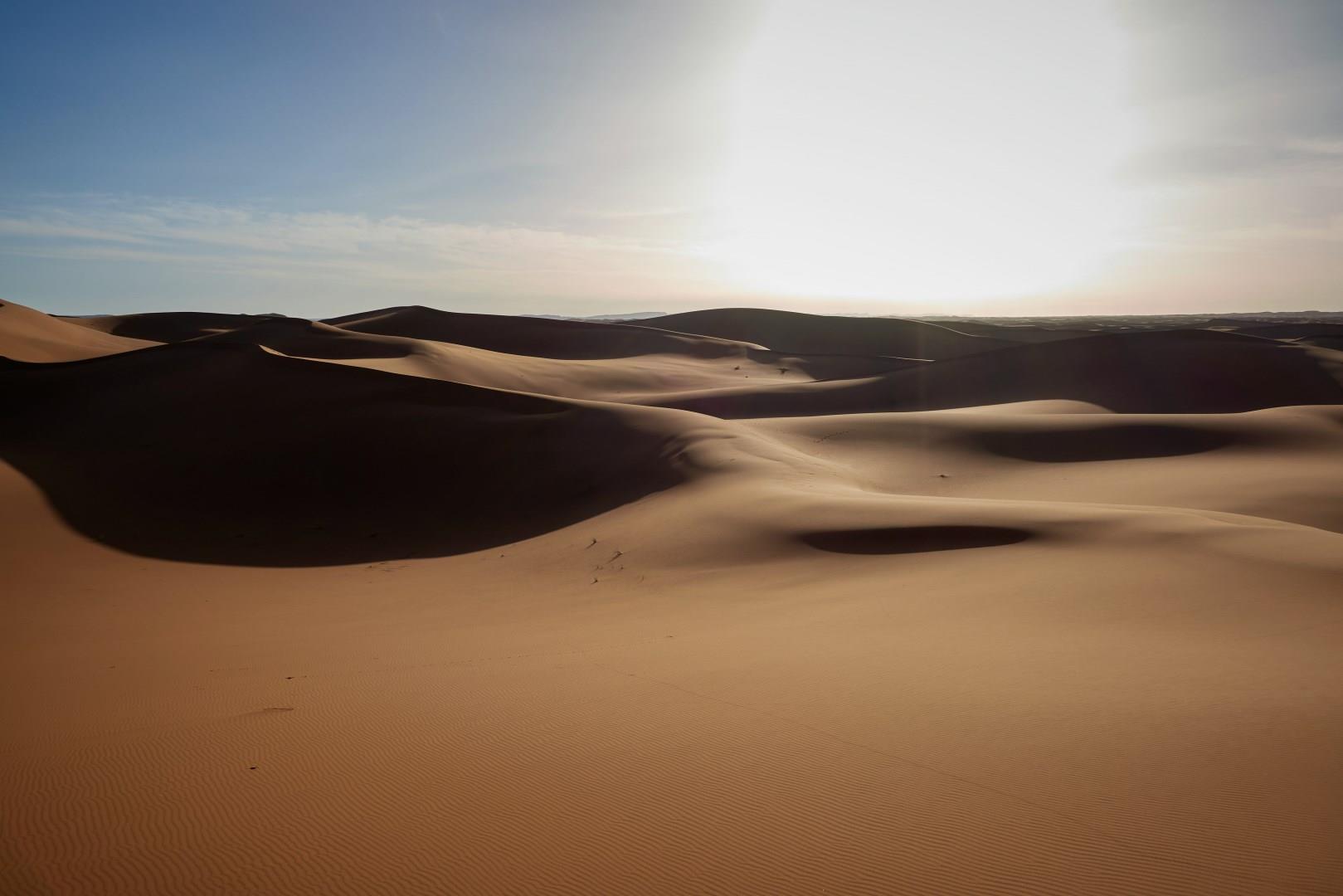
M’Hamid El Ghizlane sits deep in southeastern Morocco’s Sahara, where the paved road ends and endless sands begin. Travelers often arrive from Zagora, taking in the wide palm groves fed by ancient irrigation channels that show how people have sustained life here for centuries. At sunrise and sunset, the dunes glow with waves of gold and copper, offering unforgettable views few places on earth can match.
Leon
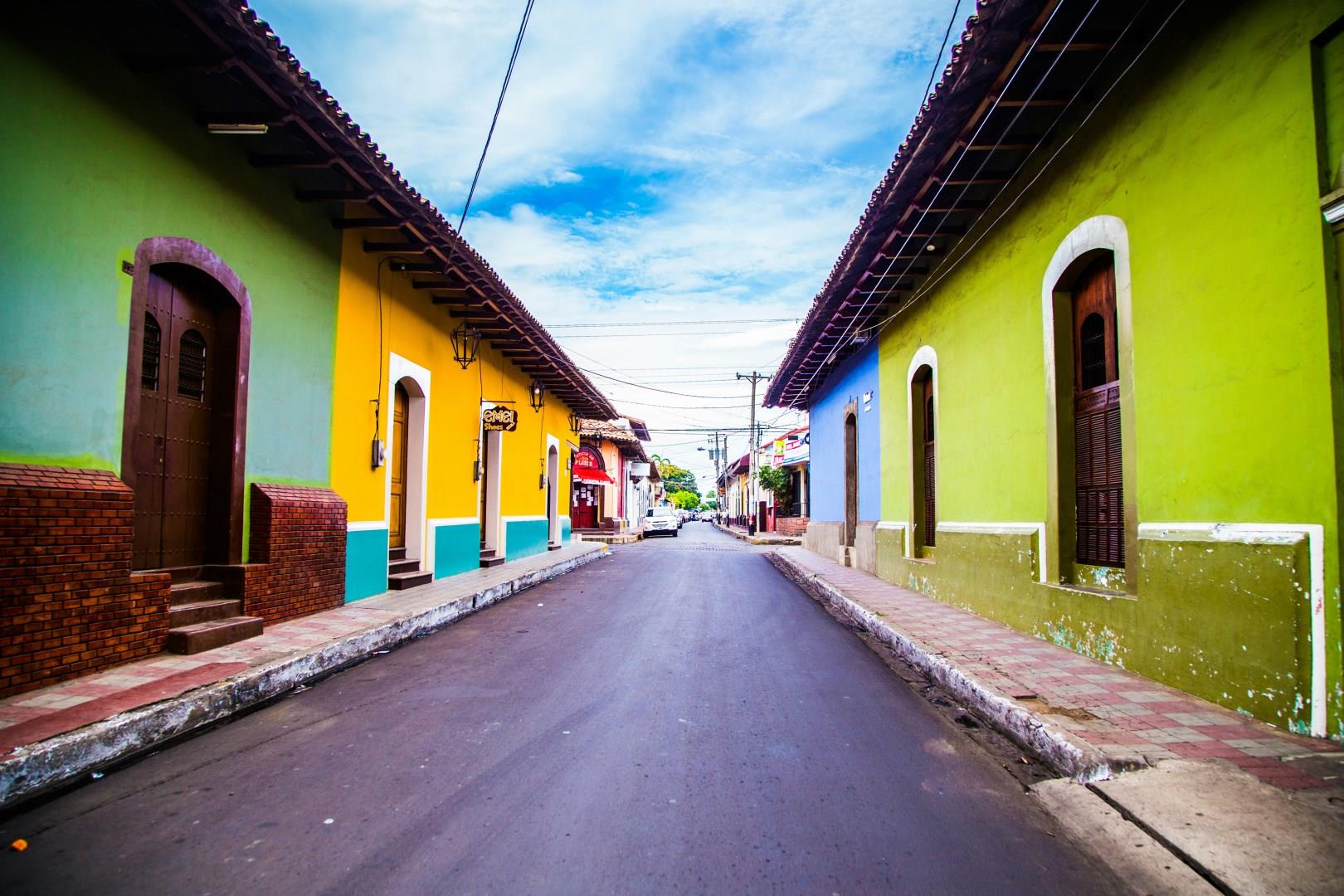
León, Nicaragua serves as the country’s capital for more than two centuries and still feels like the intellectual and political heart of Nicaragua. The city is known for its revolutionary past, visible in murals that stretch across building walls, telling stories of resistance, poets, and everyday citizens. The Cathedral of León, the largest in Central America and a UNESCO World Heritage Site, dominates the central square.

Patmos
Patmos, a gem in the Aegean Sea, is steeped in history and spirituality, offering a serene escape for travelers seeking both tranquility and rich cultural experiences. Known as the "Island of the Apocalypse," Patmos is famously where Saint John the Theologian wrote the Book of Revelation. Visitors can explore the sacred Cave of the Apocalypse, a UNESCO World Heritage Site, where the saint is said to have received his visions.
