
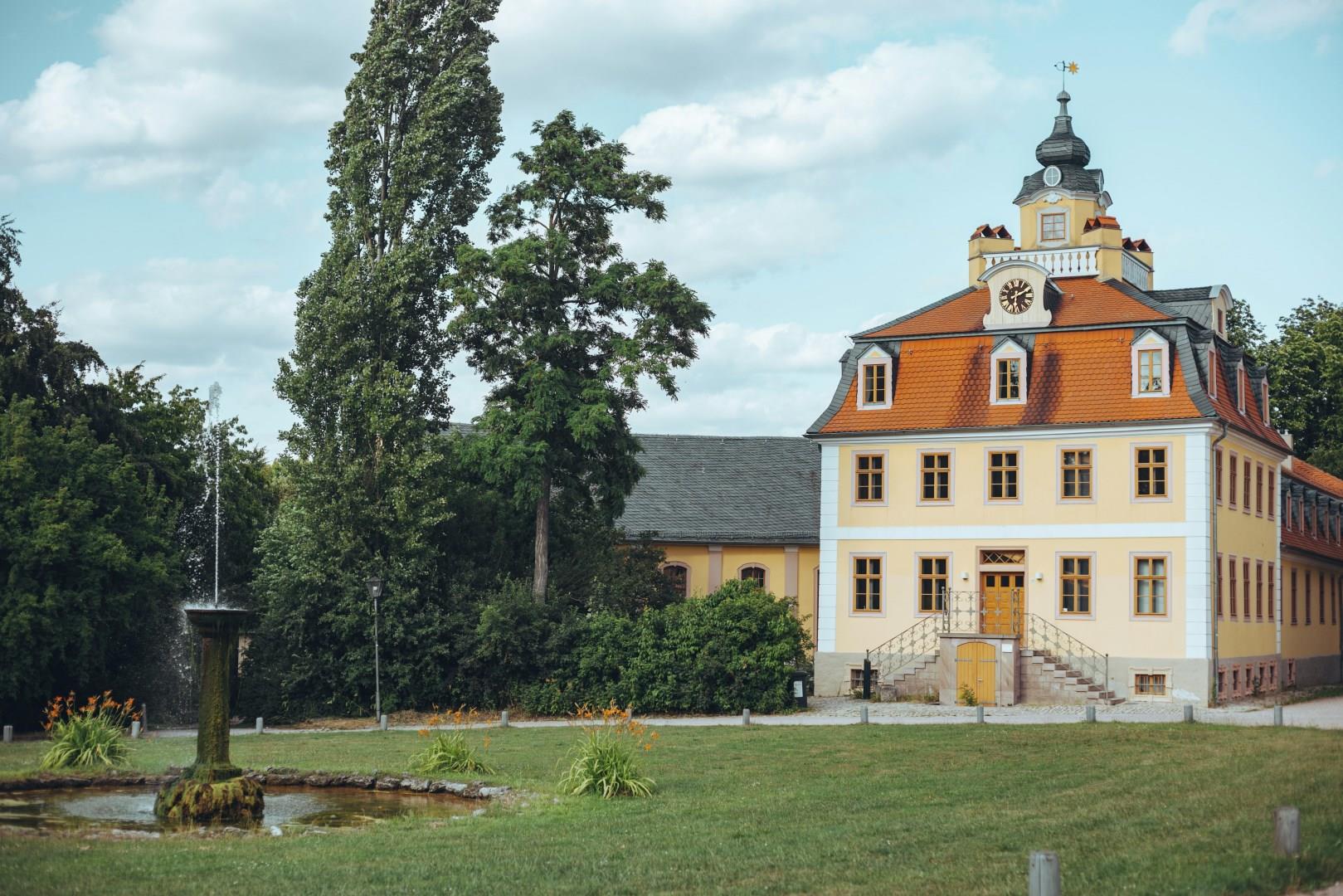
Weimar
Weimar, located in the heart of Germany’s Thuringia region, is a city renowned for its cultural heritage, classical architecture, and pivotal role in European history.
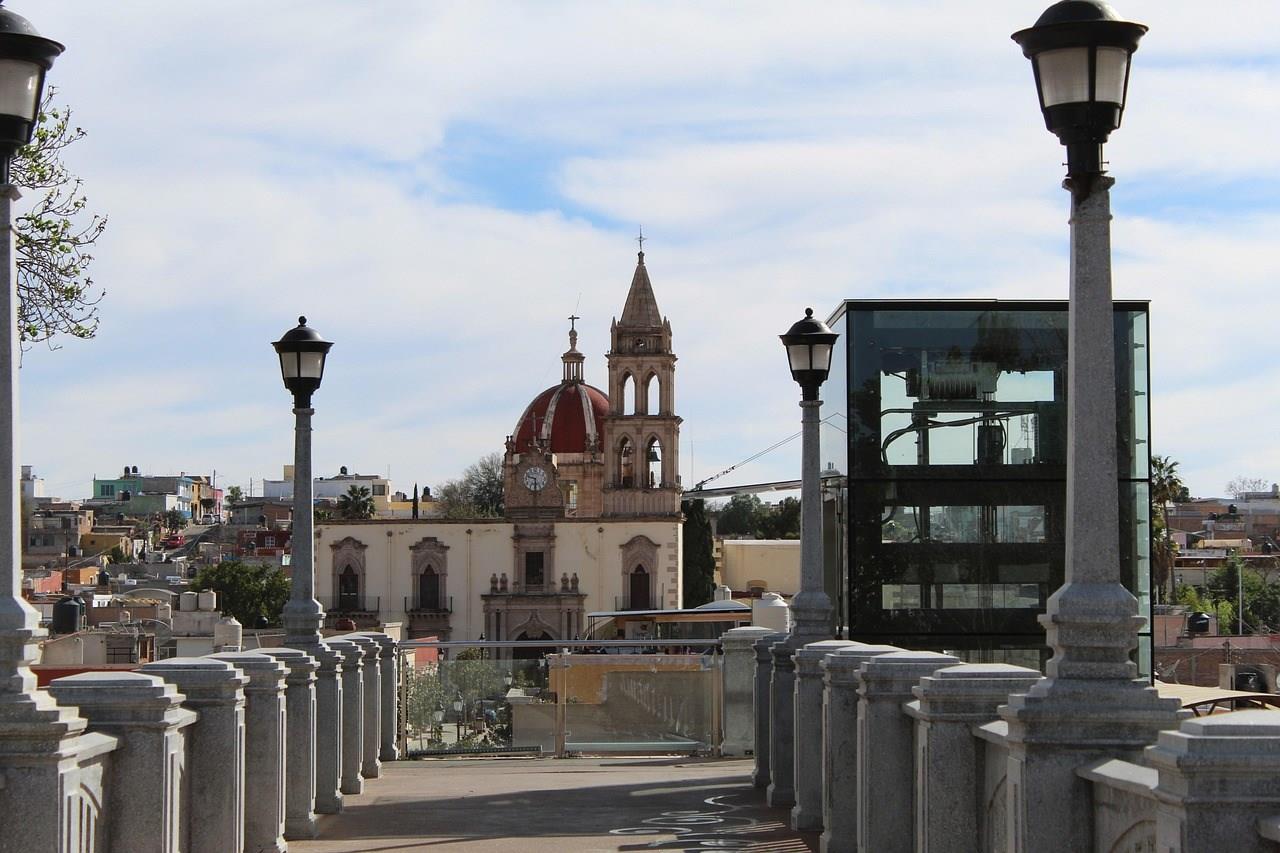
Durango
Victoria de Durango rises on a high plateau Mexico’s Sierra Madre Occidental, founded in 1563 by Francisco de Ibarra. Its streets trace layers of history: the historic center holds the most listed buildings in northern Mexico and remains a notable stop on the Camino Real de Tierra Adentro, now a UNESCO World Heritage route.
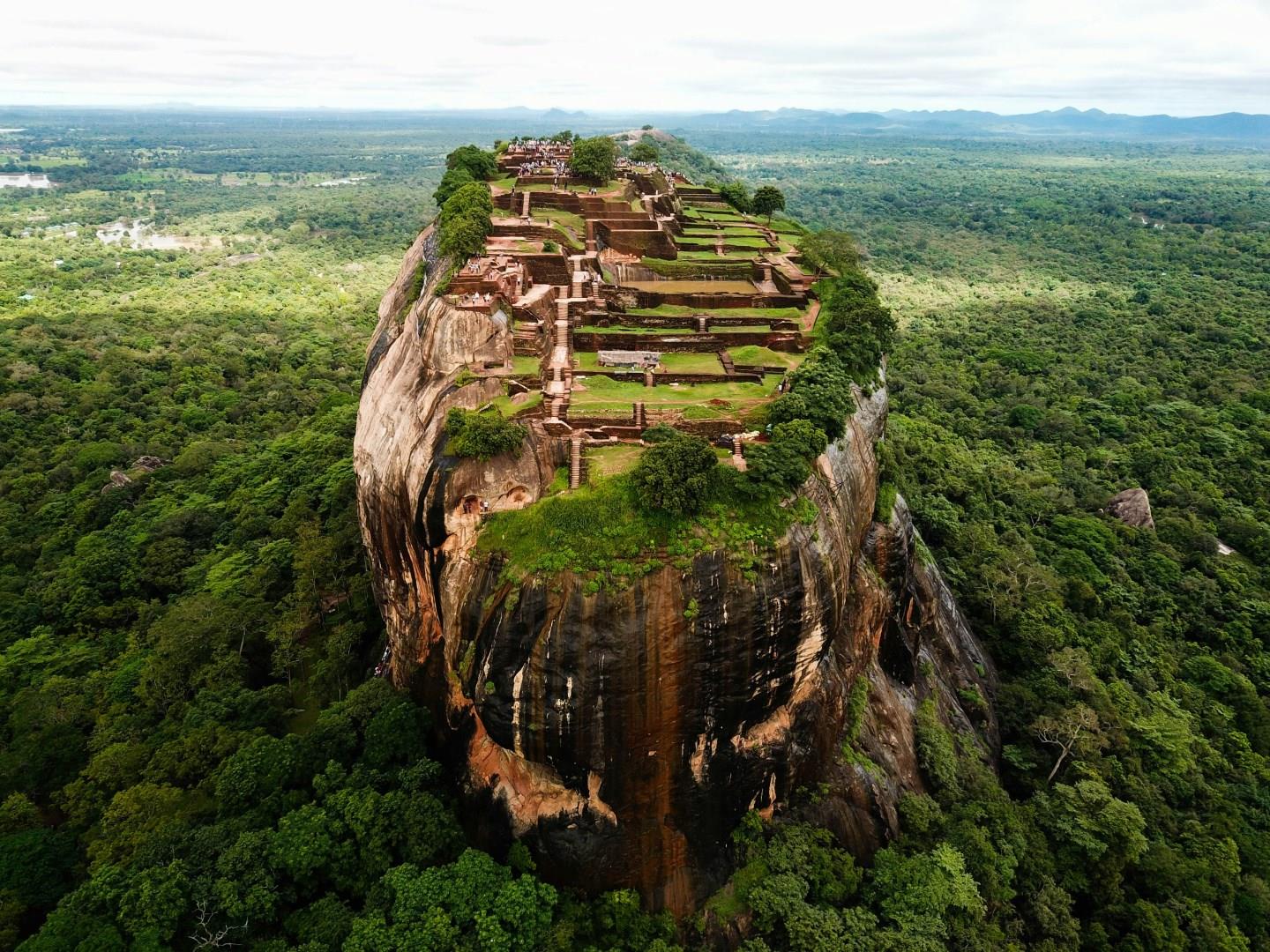
Sigiriya
Sigiriya, in central Sri Lanka, is an ancient rock fortress and one of the country’s most iconic archaeological sites. Rising nearly 200 meters from the surrounding plains, the massive granite column is crowned by the ruins of a royal palace built in the 5th century CE by King Kasyapa.
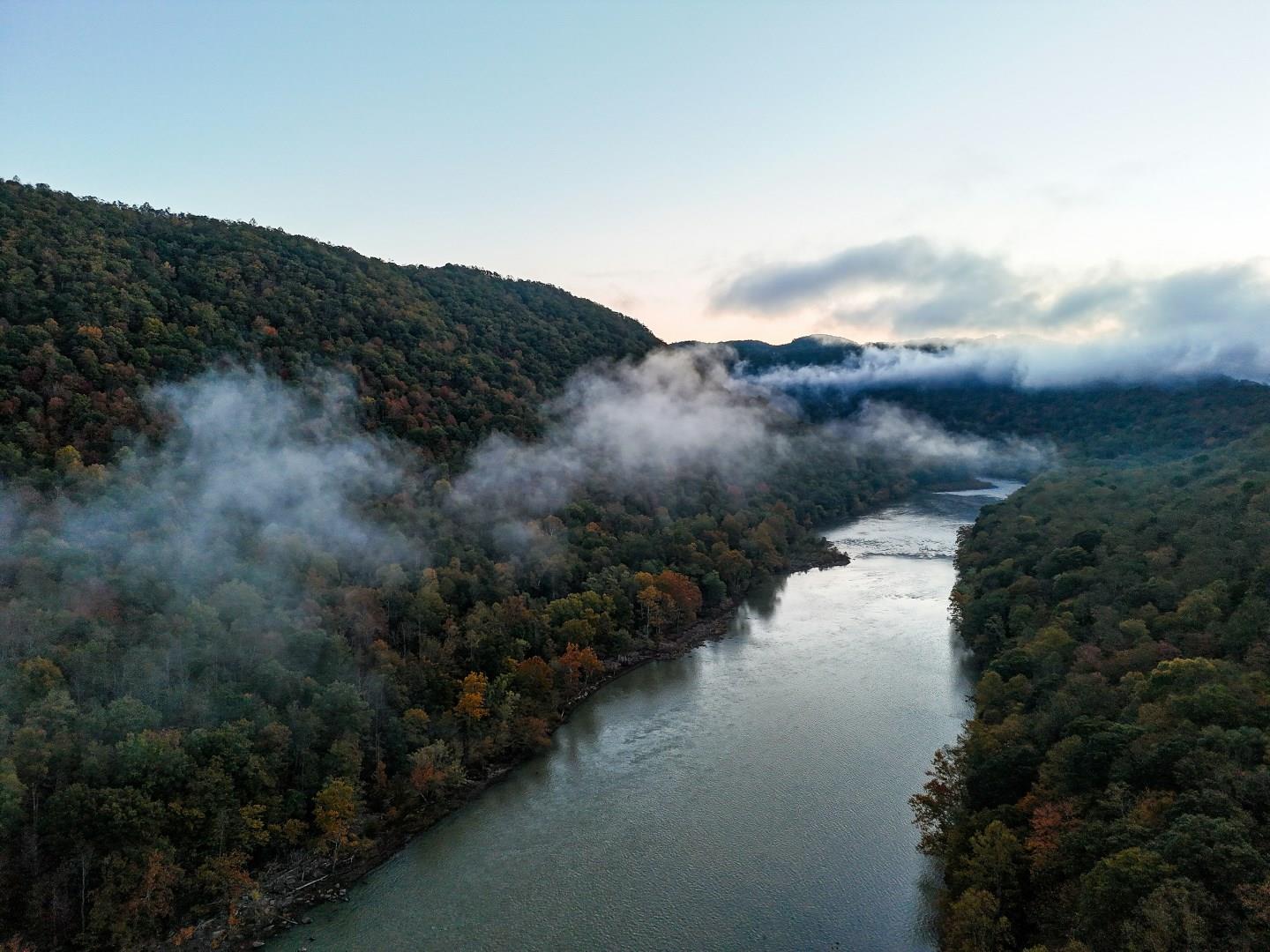
New River Gorge National Park & Preserve
New River Gorge National Park & Preserve in West Virginia has captured the attention of travelers with its rugged landscape and storied past. Established as a national park in 2020, this area was long known for its coal mining heritage and railroad history. Today, visitors can explore remnants of old mining towns and take in views from historic train trestles, all while experiencing some of the most dramatic river and canyon scenery in the eastern United States.
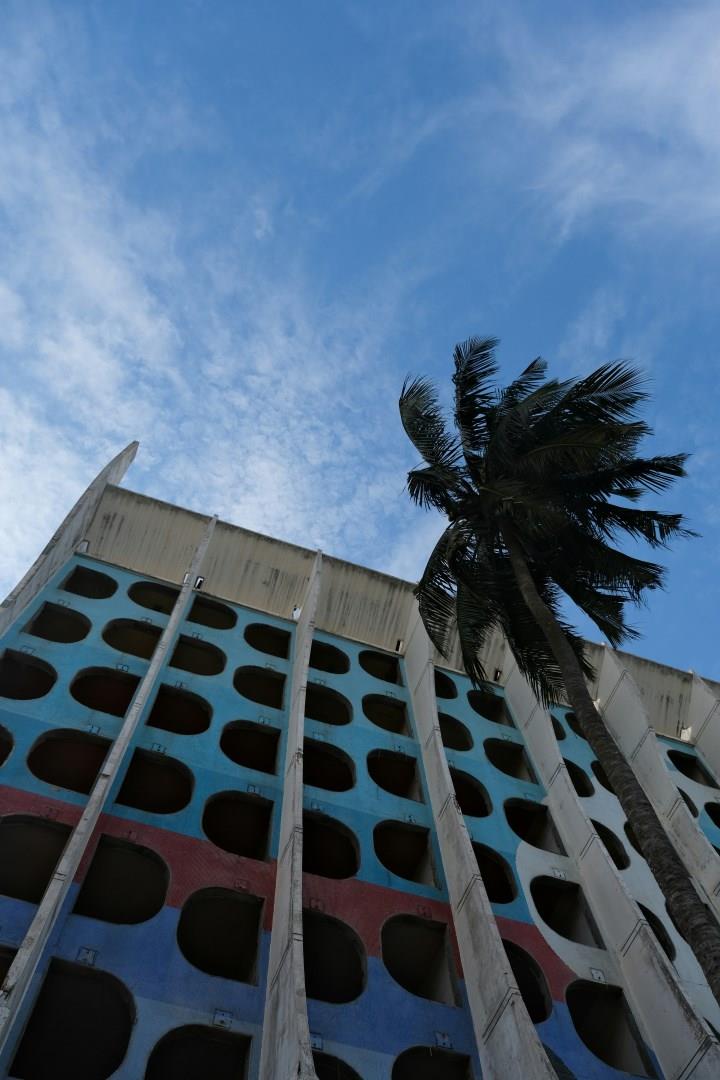
Lome
Lomé, the capital city of Togo, sits along the Gulf of Guinea and serves as both the political and cultural heart of the country. Lomé’s coastline features beaches where locals gather and where visitors can enjoy views of the Atlantic Ocean.
