
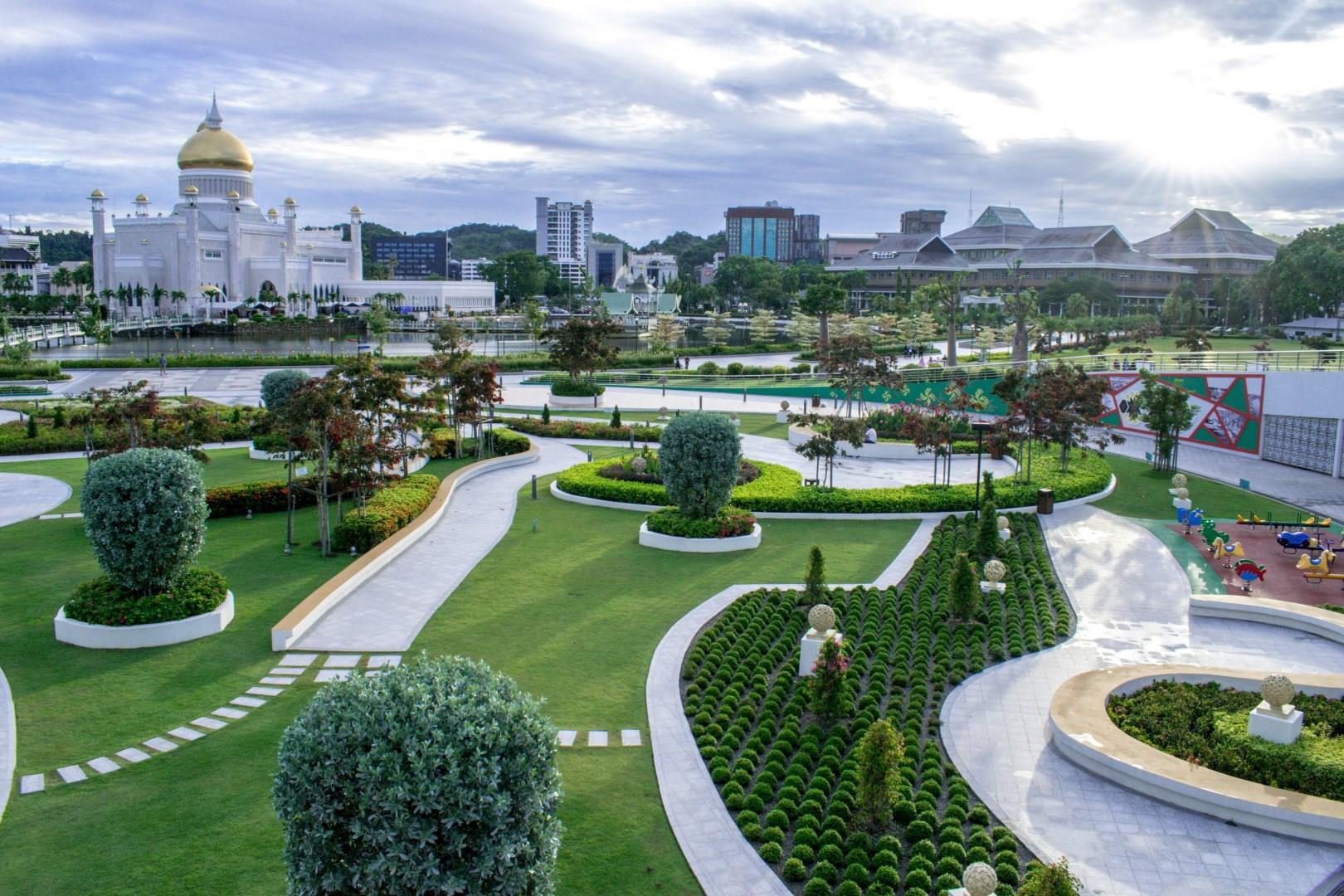
Brunei
Brunei is a small country on the island of Borneo known for its wealth, tropical rainforests, and rich cultural heritage. The country’s landscapes are a mix of dense jungles, rivers, and coastal mangroves, offering a peaceful environment where nature remains largely intact.
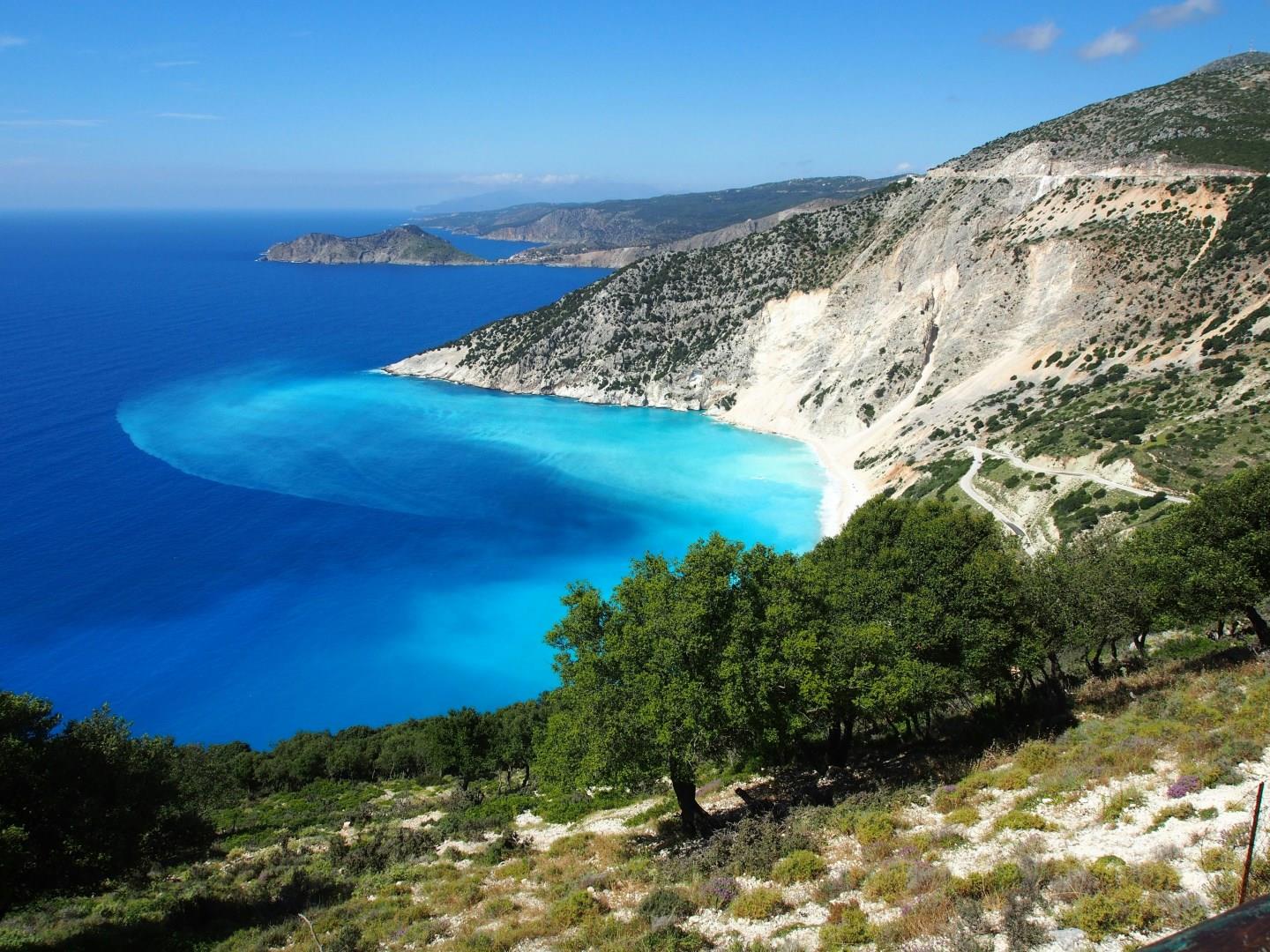
Argostoli
Argostoli sits on the west coast of Kefalonia, Greece’s largest Ionian Island, where a natural harbor meets the Koutavos Lagoon and a waterfront lined with cafés, tavernas, and shops. As the island’s capital, Argostoli blends everyday island life with moments of surprise, from sea turtles surfacing by fishing boats at dawn to historic sites hidden among palm trees and pedestrian streets.

Oaxaca
Oaxaca, nestled in the heart of southern Mexico, is a city where ancient traditions and vibrant culture thrive. Renowned for its rich history and indigenous heritage, Oaxaca offers a unique blend of pre-Columbian, colonial, and modern influences. The city's historic center, a UNESCO World Heritage site, is a testament to its past, featuring stunning colonial architecture such as the Santo Domingo de Guzmán Church, a masterpiece of Baroque art.

Czech Republic
The Czech Republic is a country where centuries-old castles, storybook towns, and deeply rooted traditions coexist with vibrant art scenes and local beer halls. Prague draws the most attention, with its Gothic towers, Baroque churches, and the world’s oldest working astronomical clock, still ticking in the Old Town Square.

Melk
Nestled along the south bank of the Danube, this historical Austrian city bursts with charm. A favorite stop on European river cruises, the city's most famous attraction is Melk Abbey, which dates back to the 11th century. The original Benedictine structure was lost to fires and foreign invasion, then rebuilt during the 18th century in lavish Baroque style, including a library and inner church covered in magnificent frescoes and gilded fixtures.
