
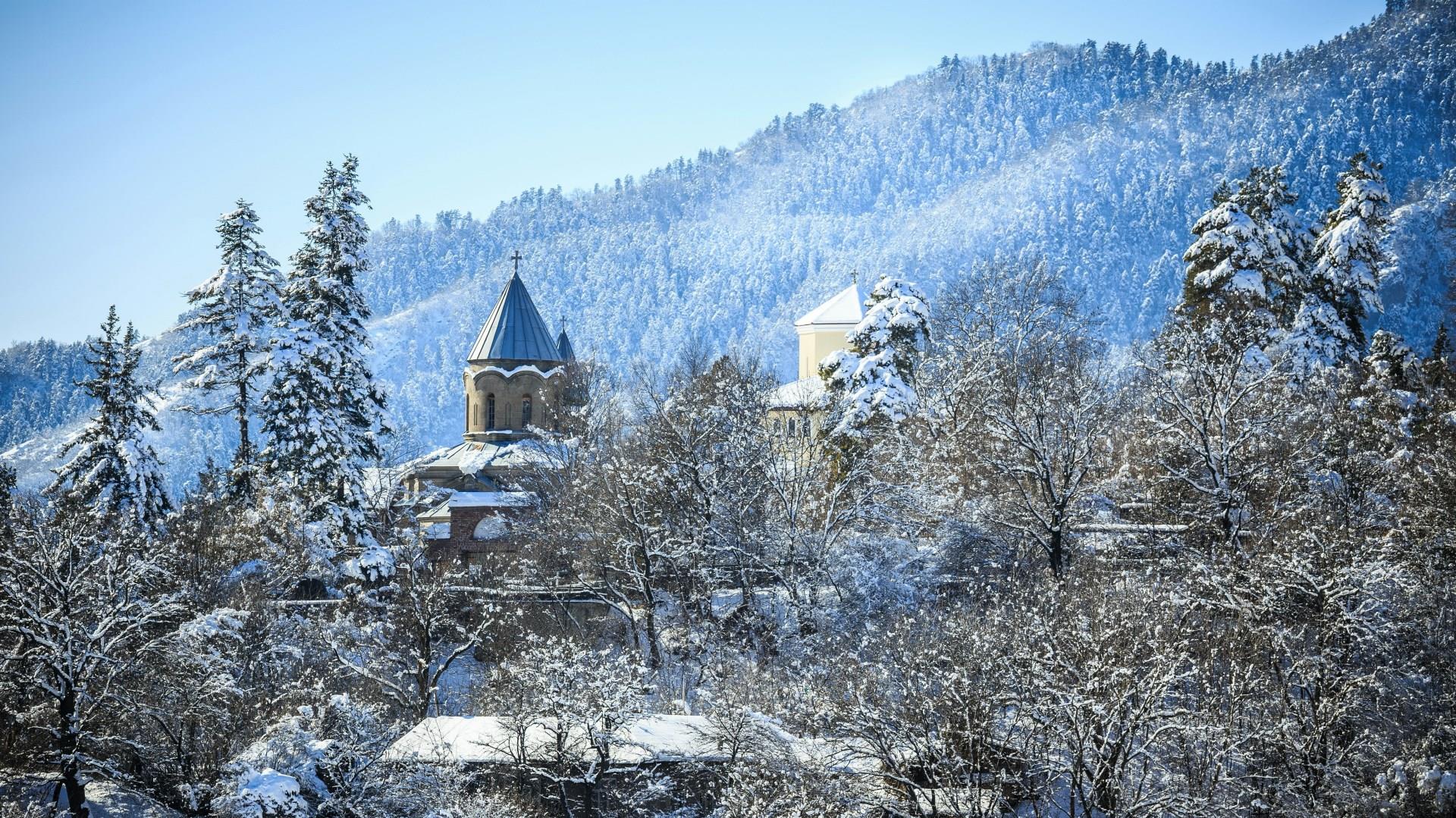
Borjomi
Borjomi sits high in the center of Georgia, in a long valley along the Borjomula River surrounded by forested mountains. For centuries its mineral springs have drawn people to the region, but it wasn’t until the 1800s that the water became known to the wider world when Russian officers stationed here shared its crisp, naturally fizzy taste and believed health-boosting properties with visitors.
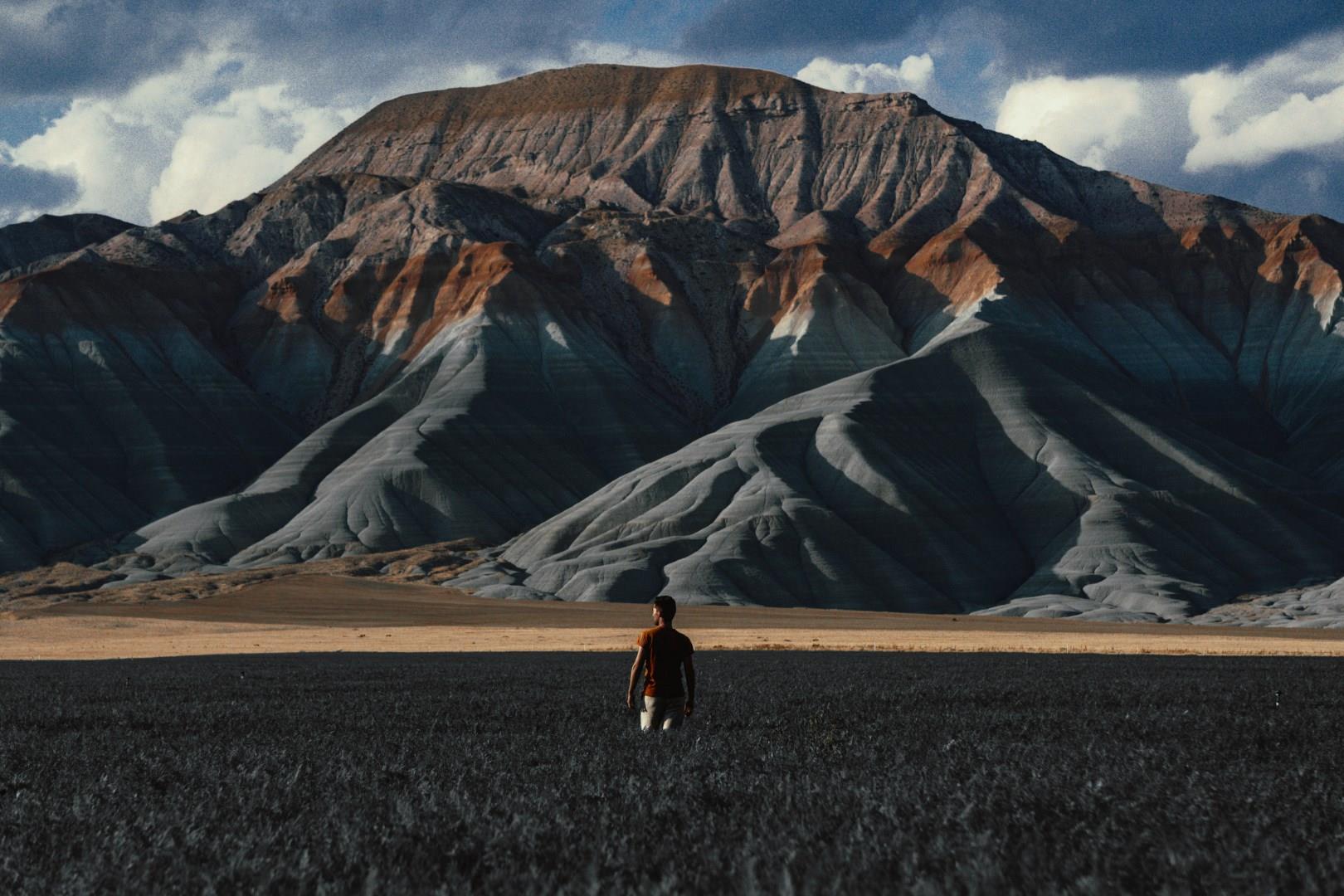
Ankara
Ankara, the capital of Turkey, sits on the Anatolian plateau and reflects the country’s layered history more quietly than Istanbul, yet with equal depth.
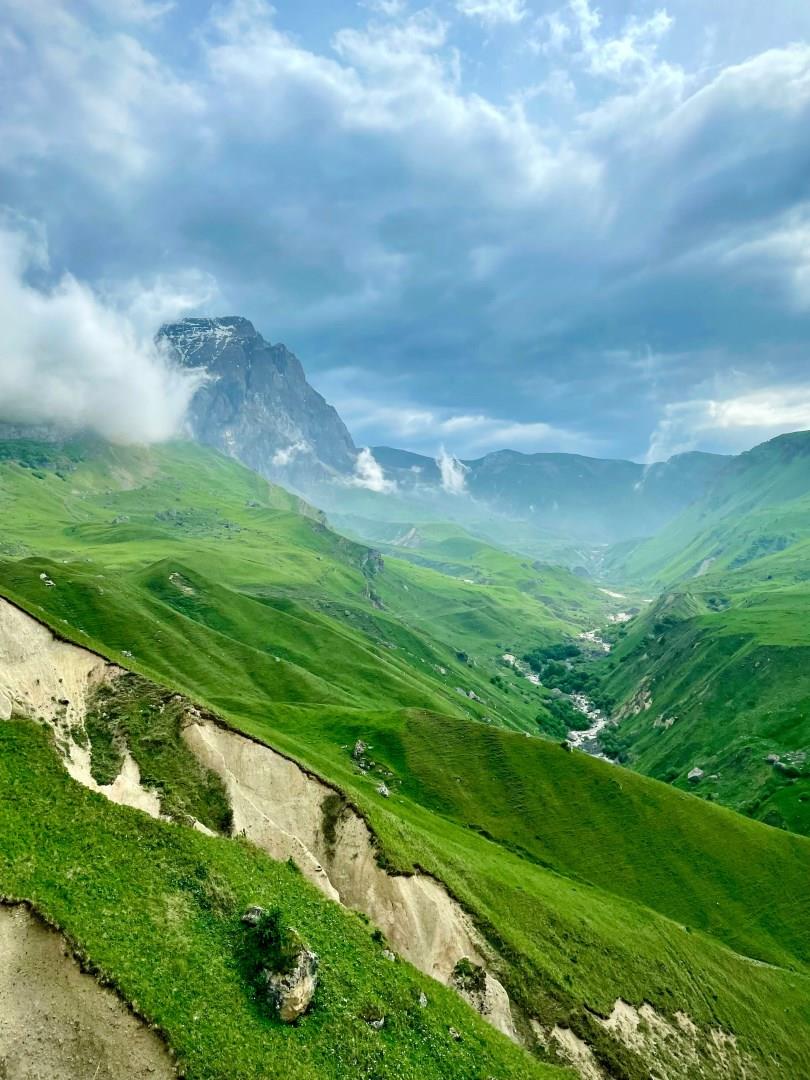
Azerbaijan
Azerbaijan, often called the “Land of Fire,” sits at the crossroads of Europe and Asia along the Caspian Sea. Its capital, Baku, blends futuristic architecture with centuries-old history.
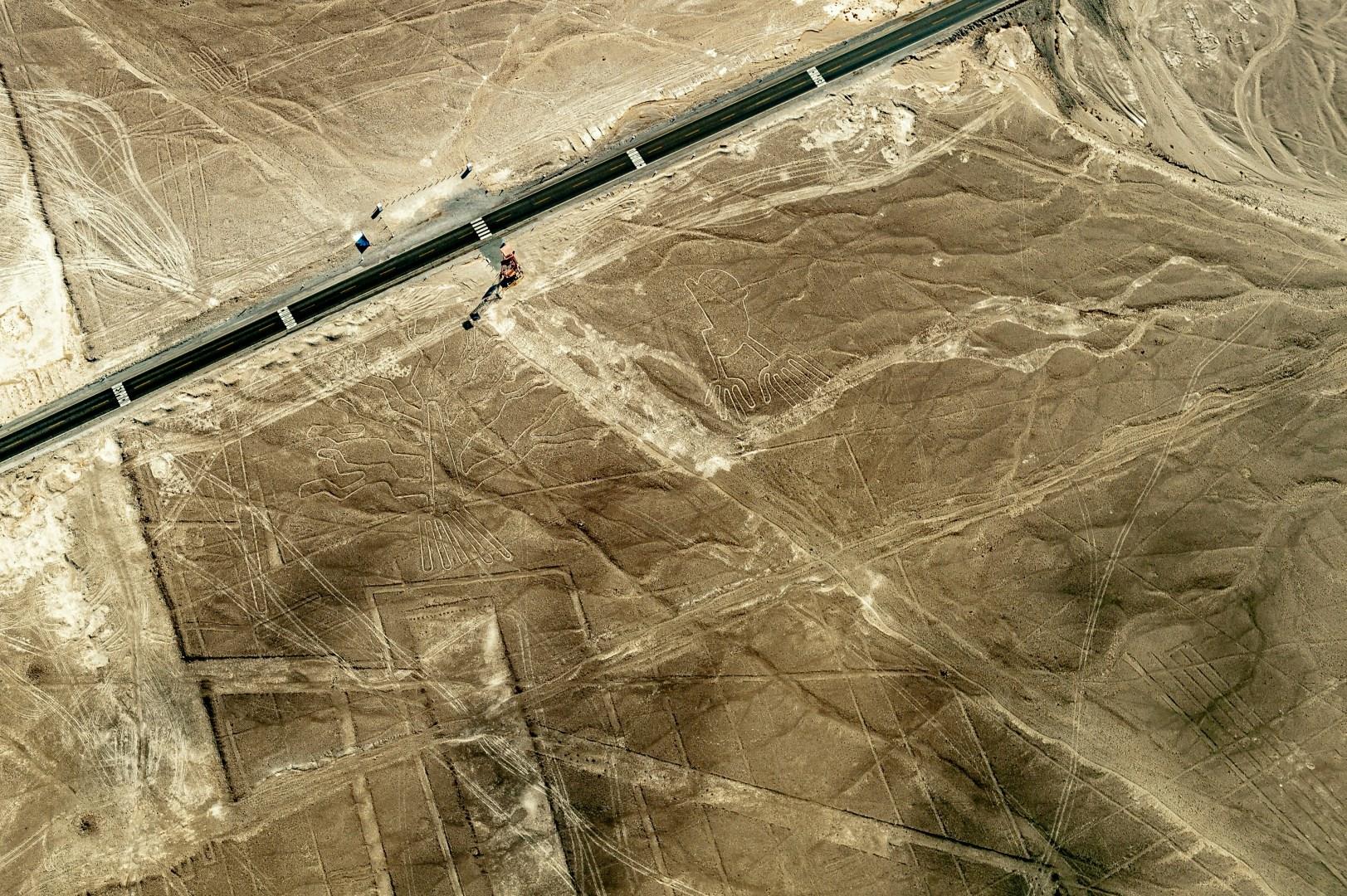
Nazca
In the southern deserts of Peru, Nazca invites visitors to look beyond the horizon. This small city is world-famous for the mysterious Nazca Lines, enormous geoglyphs etched into the desert floor more than 1,500 years ago. From the air, shapes like hummingbirds, monkeys, and even a stylized astronaut come into view, some stretching over 300 meters. Their exact purpose remains a mystery, fueling decades of theories.
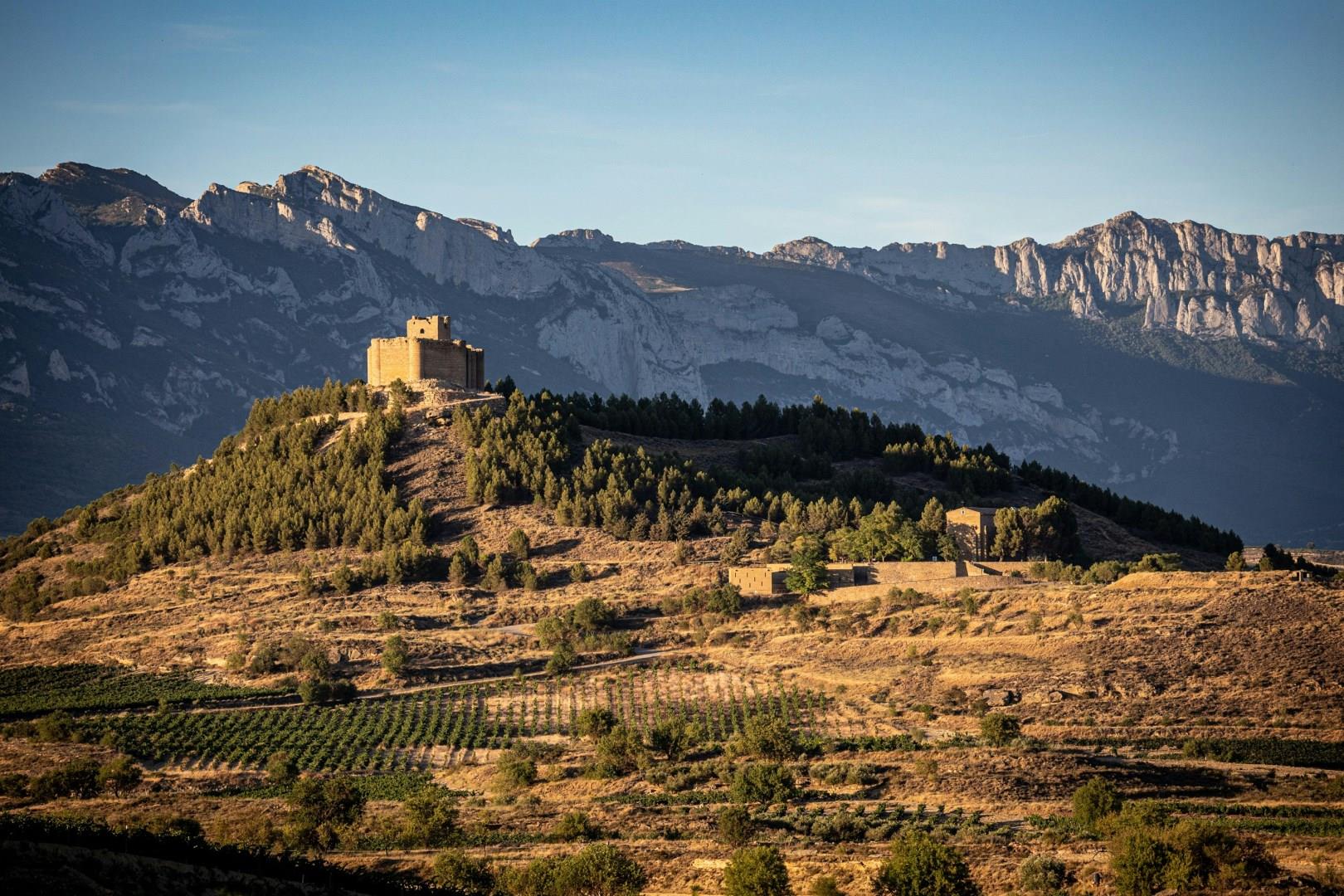
La Rioja
La Rioja, located in northern Spain, is best known for its wine, but the region offers much more than vineyard views. Its capital, Logroño, sits along the Camino de Santiago and has welcomed travelers for centuries. The city’s historic center is compact and lively, with narrow streets lined by centuries-old churches, pintxo bars, and quiet plazas.
