
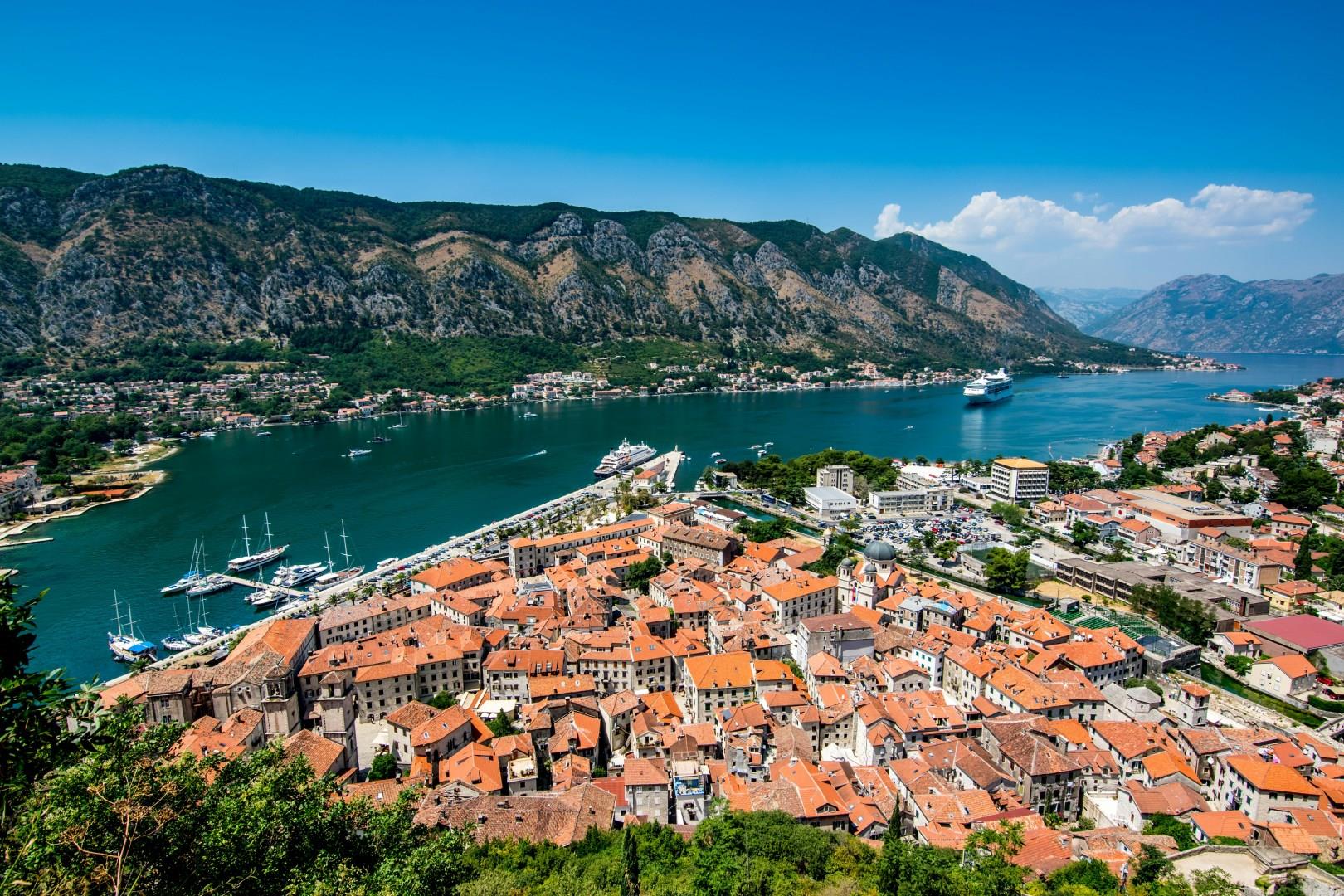
Montenegro
Montenegro, set along the Adriatic Sea, draws travelers with its dramatic landscapes and layered history. The Bay of Kotor, often mistaken for a fjord, is actually a submerged river canyon surrounded by steep cliffs and medieval towns. Kotor itself, a UNESCO World Heritage site, is enclosed by ancient fortifications that visitors can climb for panoramic views stretching from terracotta rooftops to the sea.

Lijiang
Lijiang sits in northwest Yunnan, shaped by its role as a trading town on routes linking Tibet, Sichuan, and Southeast Asia. It is closely associated with the Naxi people, whose language, music, and traditions remain central to local identity.

Georgia
Georgia, nestled at the crossroads of Europe and Asia, is a country defined by dramatic landscapes, rich traditions, and a deep sense of history. The snow-capped Caucasus Mountains rise in the north, offering scenic hiking trails and ancient villages, while the Black Sea coastline in the west provides a warmer, more relaxed atmosphere.
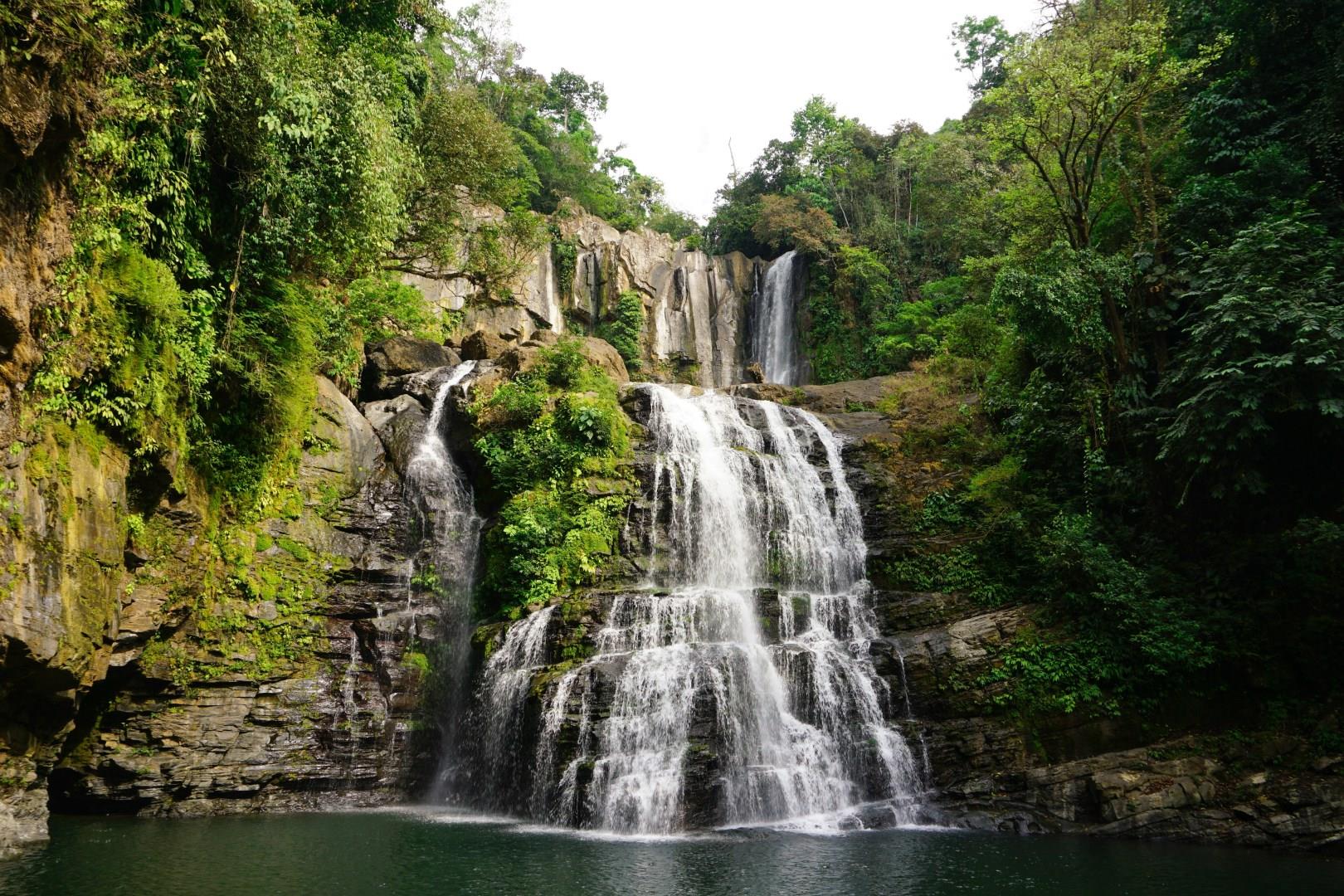
Dominical
Dominical is a small coastal town on Costa Rica’s southern Pacific shore, known for its strong connection to the ocean and surrounding rainforest.

Sarajevo
Sarajevo, the capital of Bosnia and Herzegovina, is a city where history, culture, and resilience converge. Often called the "Jerusalem of Europe," Sarajevo is a place where East meets West, reflected in its diverse architecture, which seamlessly blends Ottoman, Austro-Hungarian, and modern influences.
