
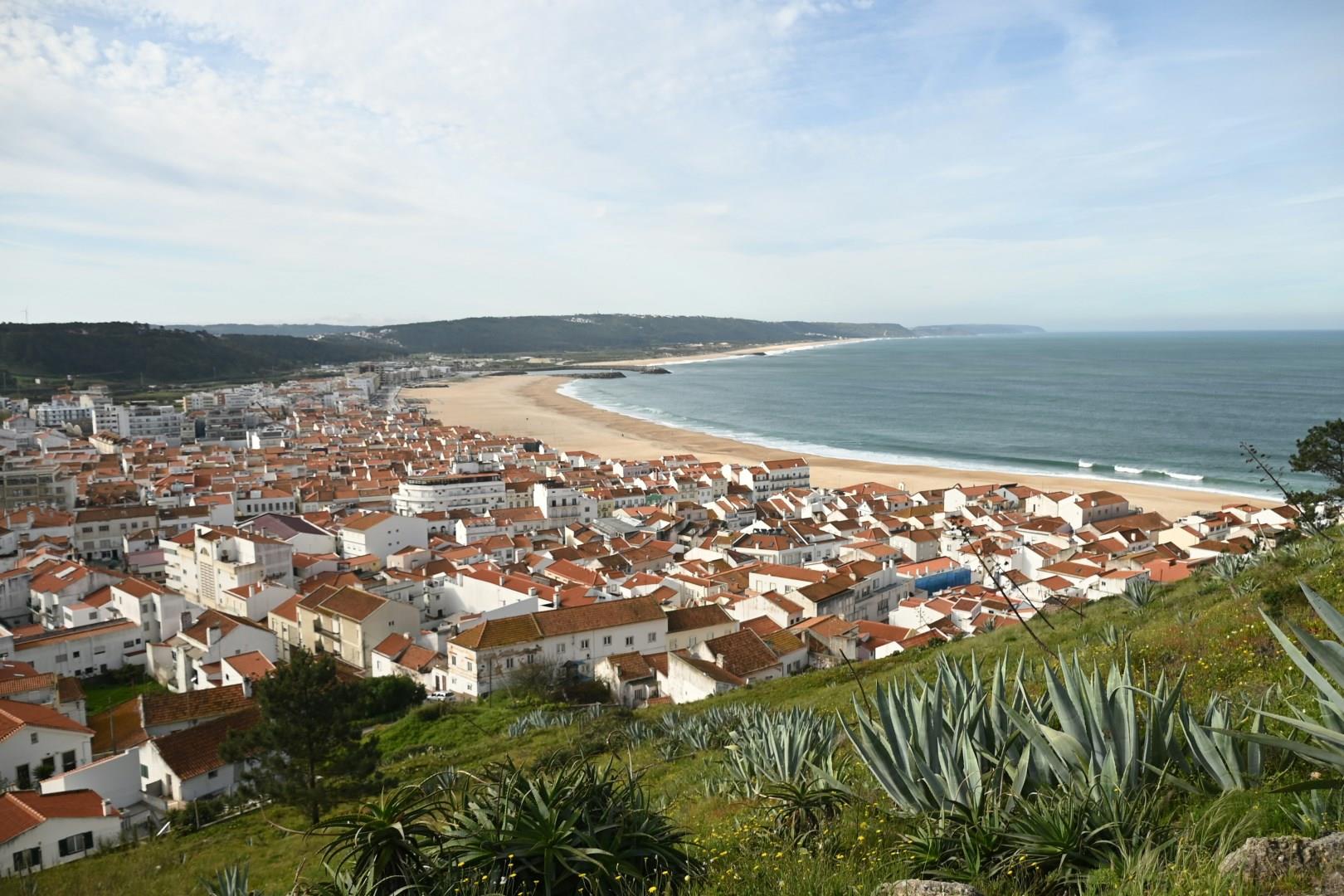
Nazare
Nazaré, set along Portugal’s wild Atlantic coast, is a fishing town transformed into one of the world’s most dramatic surf destinations. Its identity is deeply tied to the sea, both in its centuries-old maritime traditions and in the awe-inspiring waves that now draw visitors from around the globe.
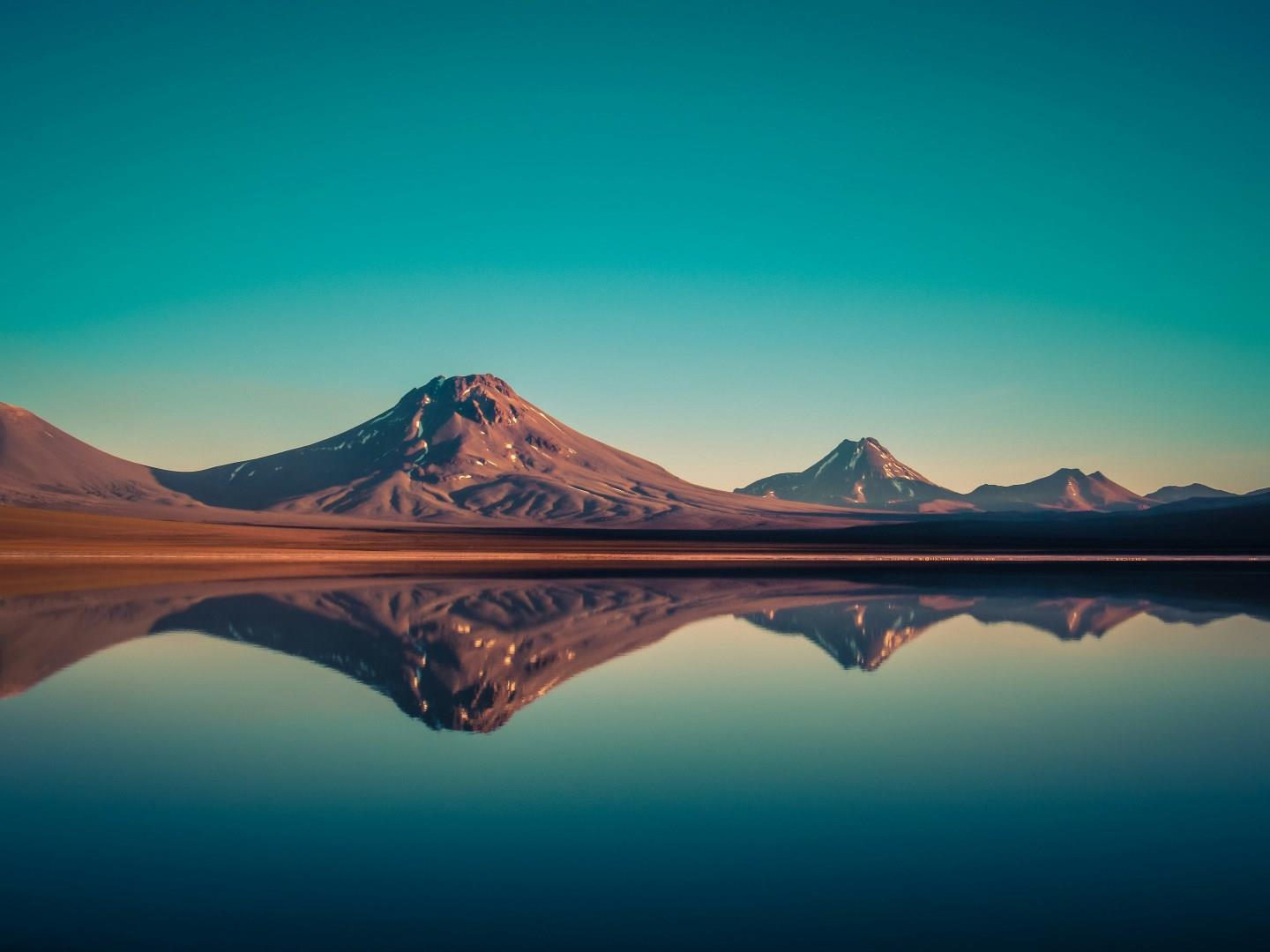
San Pedro De Atacama
San Pedro de Atacama, a small town in northern Chile, sits at over 2,400 meters above sea level in one of the most geologically diverse areas on Earth. Surrounded by volcanoes, salt flats, geysers, and ancient lava flows, it has long served as a gateway to the Atacama Desert. This desert is the driest non-polar place in the world, where some weather stations have never recorded rainfall.
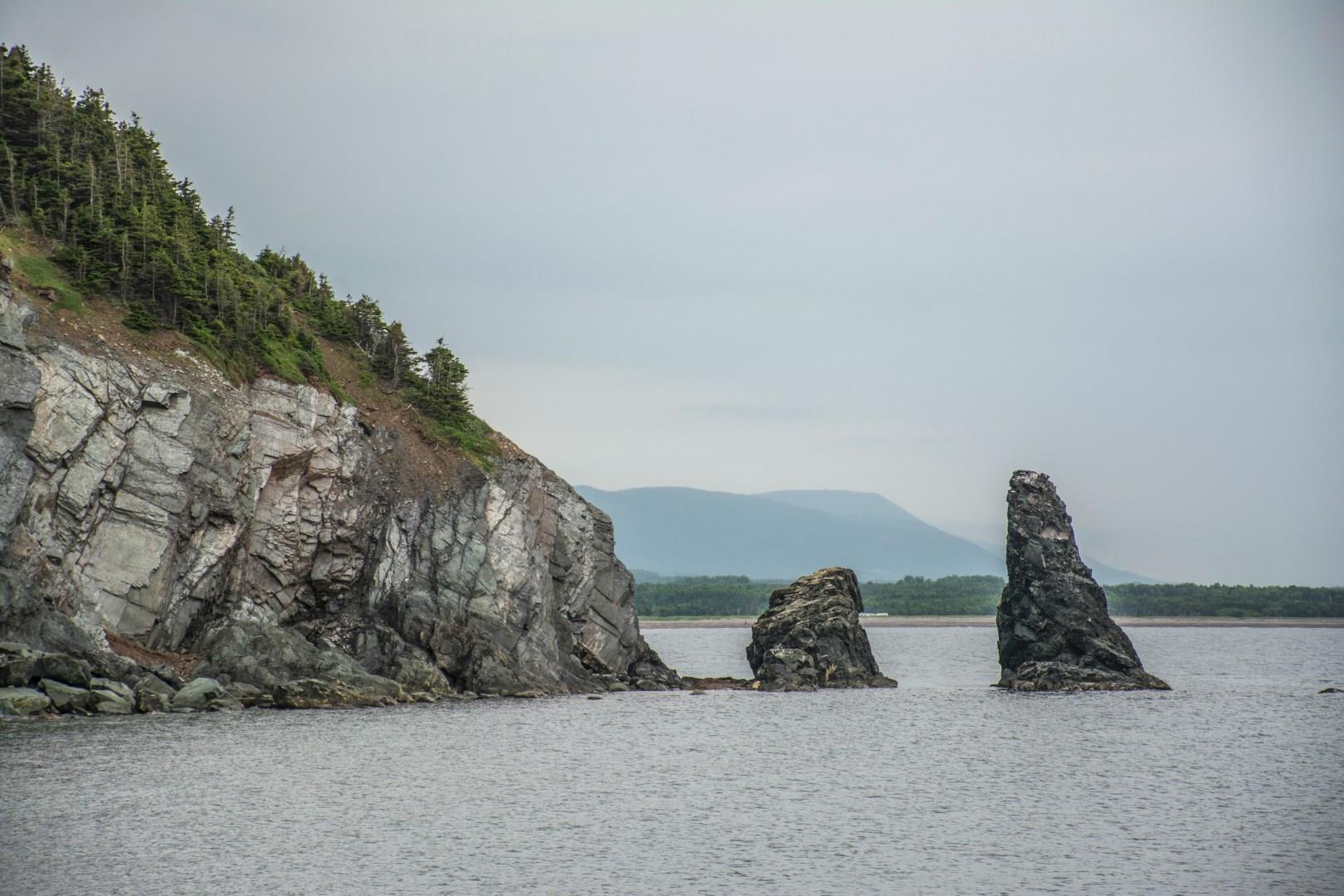
Cabot Trail
The Cabot Trail loops around northern Cape Breton Island, Nova Scotia, tracing cliffs, highlands, and forests for roughly 298 km. Named for the explorer John Cabot, the region’s deeper story belongs to the Mi’kmaq people, whose presence predates European settlement.

Oman
Oman stands among the oldest independent states in the Arab world, with evidence of human habitation stretching back over 100,000 years. Its capital, Muscat, rises gently against limestone hills with no skyscrapers to interrupt its skyline. Visitors find broad avenues lined with stunning buildings leading to landmarks like the Sultan Qaboos Grand Mosque and the Royal Opera House, both offering glimpses into Omani artistry and modern elegance.
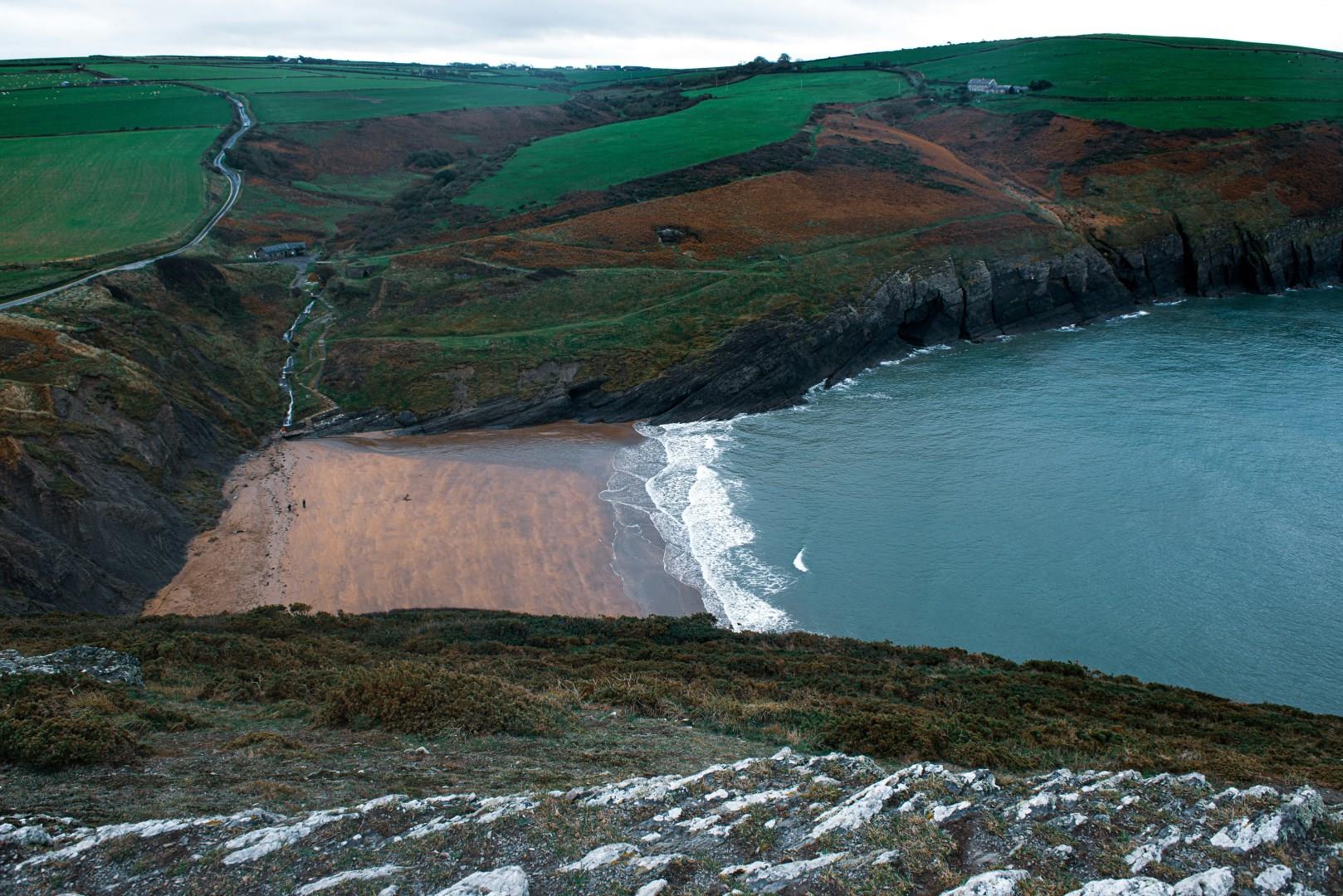
Cardigan
Cardigan sits on the west coast of Wales, where the River Teifi reaches the wide sweep of Cardigan Bay. At the heart of town stands Cardigan Castle, where battlements and gardens overlook the Teifi. The castle’s history includes the first recorded National Eisteddfod in Wales, a cultural competition of music, poetry and performance that still inspires events across the country.
