

Spitsbergen
Spitsbergen is the largest island of Norway’s Svalbard archipelago, where the wonders of the Arctic come alive in breathtaking fashion. Known for its wild, untamed beauty, Spitsbergen offers travelers the chance to experience landscapes that are both surreal and majestic. From towering glaciers and jagged mountain peaks to expansive tundra and crystal-clear fjords, this frozen paradise is an explorer’s dream.

Vientiane
Vientiane, the capital of Laos, lies along the banks of the Mekong River and blends a relaxed urban pace with rich cultural heritage. The city’s streets are lined with French colonial buildings, Buddhist temples, and local markets, reflecting its history as both a trading hub and a spiritual center.
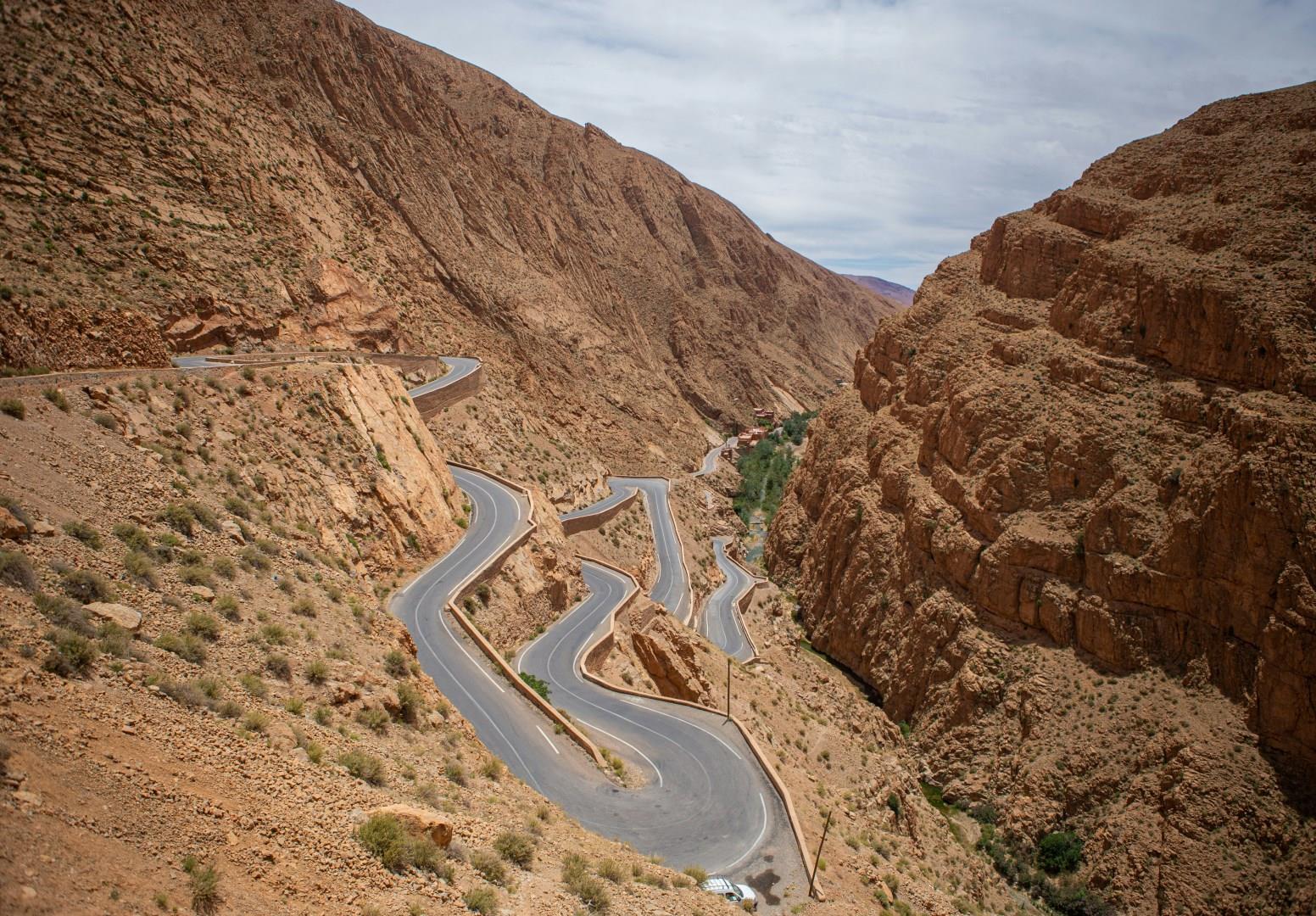
Dades Gorges
The Dades Gorges, carved by the Dades River in Morocco’s High Atlas Mountains, offer a winding stretch of road, towering rock walls, and centuries-old kasbahs perched on the cliffs. Located between the towns of Boumalne Dades and M’semrir, the gorge is especially known for its switchback road, often nicknamed “the snaking road of Tissadrine.” It’s a favorite among photographers and motorcyclists, with hairpin curves that reveal a new layer of landscape with every turn.

Bamberg
Bamberg, located in northern Bavaria, stands out for its remarkably preserved medieval layout, which earned it a spot on the UNESCO World Heritage list. Built on seven hills and often compared to Rome for that reason, the city’s architecture reflects over a thousand years of uninterrupted development. Bamberg is well known for its beer, and not just in the usual Bavarian sense. The city has more breweries per capita than any other town in Germany, and it’s the birthplace of rauchbier.
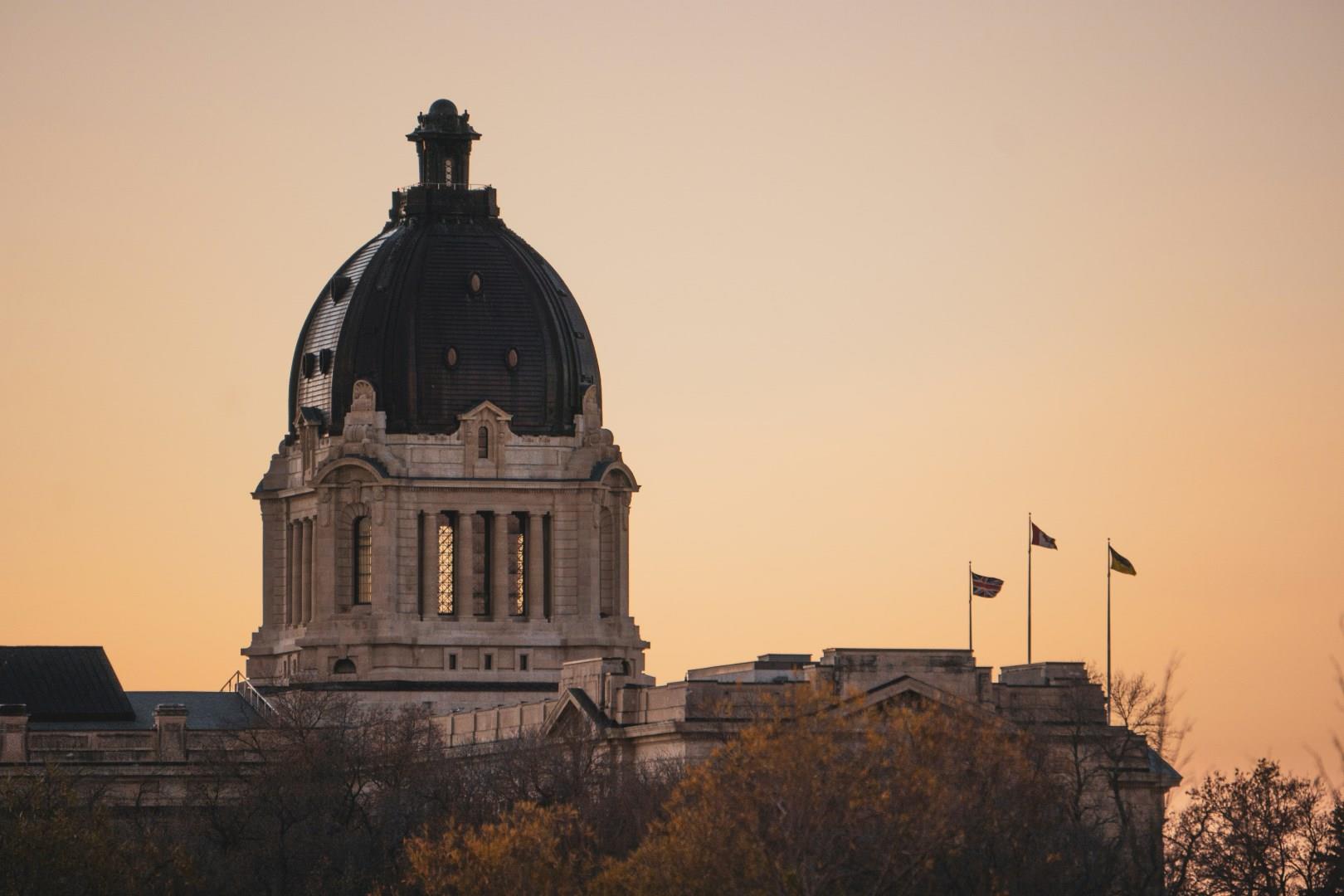
Regina
Regina, Saskatchewan’s capital, is a city with deep roots and wide-open skies. Originally established as a key stop on the Canadian Pacific Railway, Regina quickly grew into a political and cultural hub. Today, visitors can explore its past at the Royal Saskatchewan Museum, which features life-sized dinosaur exhibits and an extensive First Nations gallery.
