

Yangon
Yangon, Myanmar’s largest city, blends colonial heritage, cultural diversity, and spiritual landmarks. Once the country’s capital, it remains the economic and cultural hub, with lively markets, tree-lined avenues, and historic buildings that reflect its layered past under British, Burmese, and regional influences.
Konya
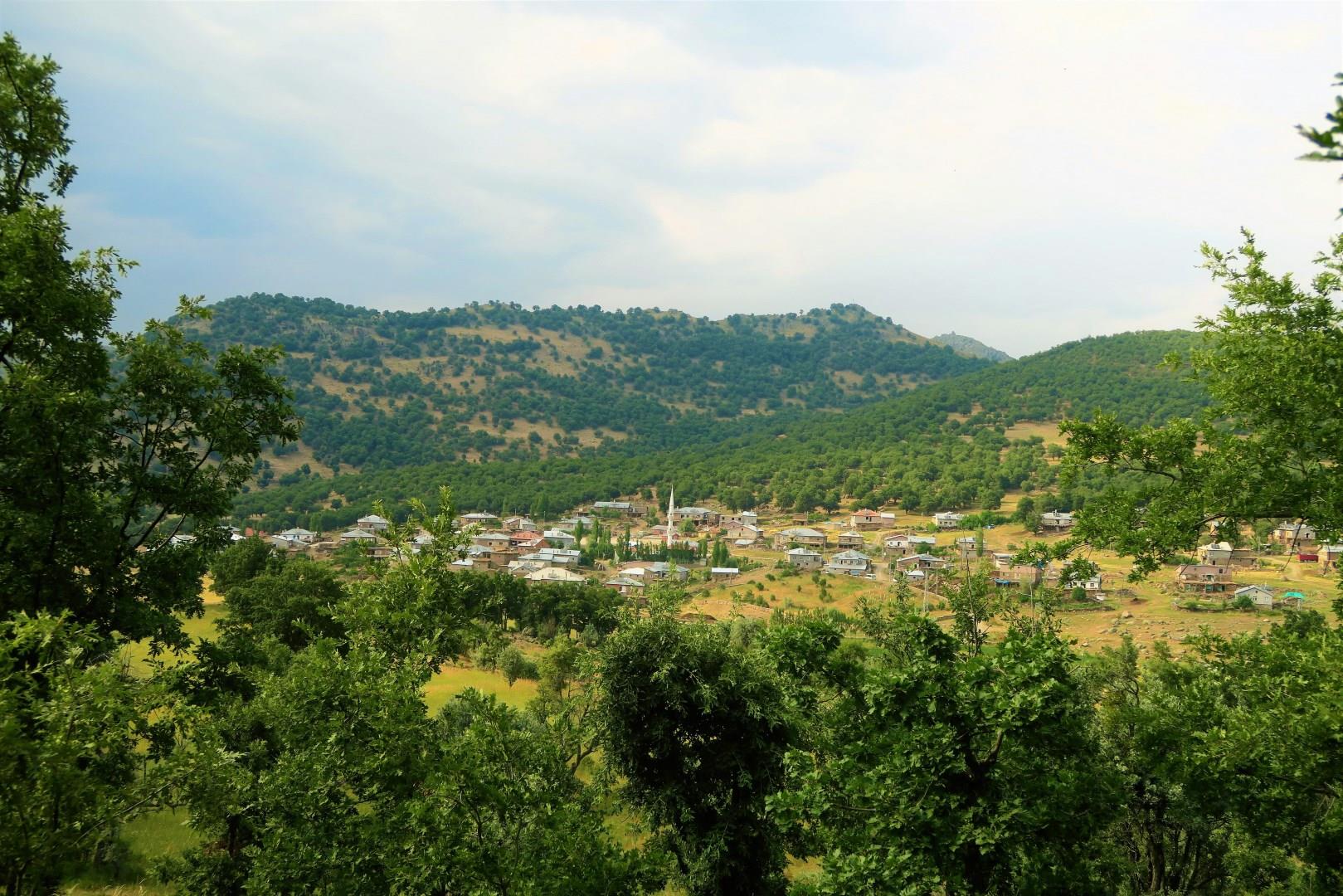
Konya has served as a spiritual center for centuries. Every December, the Şeb‑i Arûs festival marks the passing of Rumi, the Persian mystic, and draws Sufis and visitors from around the world to witness the Sema. Whirling dervish dance is performed to the sound of ney flutes and drums. In one of the country's most hushed and vivid traditions, performers spin in unison in flowing white skirts, a scene that blends meditation with graceful motion in a way found nowhere else.
Taipei
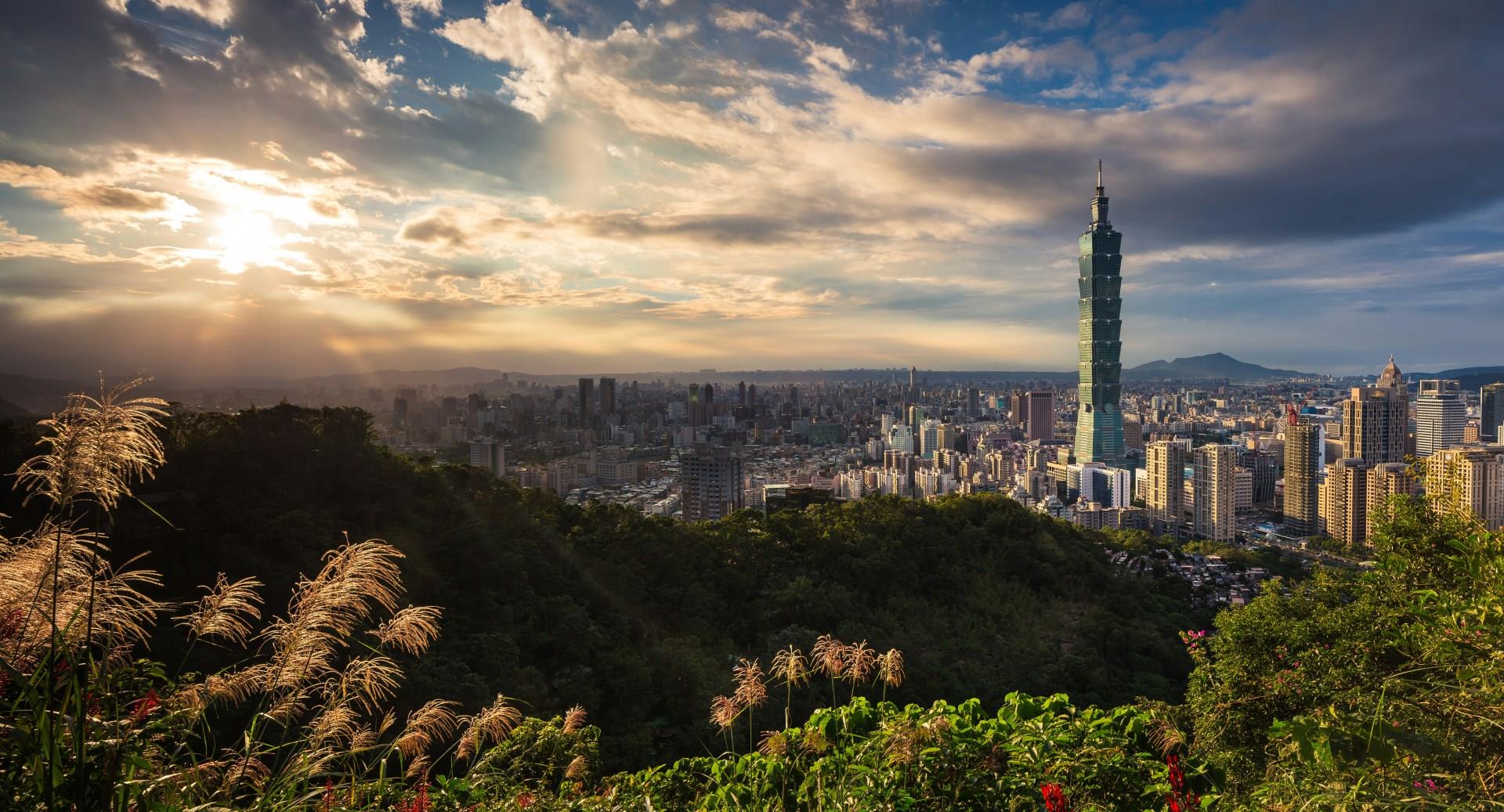
Taipei, the vibrant capital of Taiwan, is a city where tradition and modernity coexist. Visitors can explore historic temples such as Longshan Temple, discover cultural treasures at the National Palace Museum, and admire the cityscape from Taipei 101, one of the world’s tallest skyscrapers.

Cuba
Cuba is an island nation where history, culture, and natural beauty intertwine in captivating ways. Known for its Spanish colonial architecture, vibrant music, and revolutionary legacy, the country offers a fascinating window into both the Caribbean and Latin American worlds. Havana, with its colorful facades, classic American cars, and lively plazas, embodies Cuba’s charm and resilience, while towns like Trinidad and Cienfuegos showcase UNESCO-listed heritage and a slower pace of life.

Dendera
Located on the west bank of the Nile, Dendera is home to the famous Dendera Temple Complex, one of the best-preserved ancient Egyptian temples. The Temple of Hathor features impressive reliefs and intricate carvings that draw visitors interested in Egyptology and ancient history.
