

Annecy
Nestled between the pristine waters of Lake Annecy and the towering French Alps, Annecy is a charming gem in southeastern France that offers visitors a unique blend of history, natural beauty, and alpine allure. Often referred to as the "Venice of the Alps" due to its network of canals that wind through the old town, Annecy captivates with its cobbled streets, pastel-colored houses, and flower-adorned bridges.

Dominica
Dominica, known as the “Nature Island of the Caribbean,” is a haven for eco-tourists and adventure seekers. Nestled between the French islands of Guadeloupe and Martinique, this lush island boasts a remarkable landscape of volcanic mountains, dense rainforests, and stunning waterfalls. Dominica’s most iconic natural wonder is the Boiling Lake, the second-largest hot spring in the world.

Stornoway
This charming town is the perfect place to immerse yourself in Scottish Gaelic culture, music, and history, making it a popular port city for visitors and a great starting point for exploring the rest of the archipelago.

Colon
Northwest of Panama City lies the capital city of Colón, a gateway to the Panama Canal.
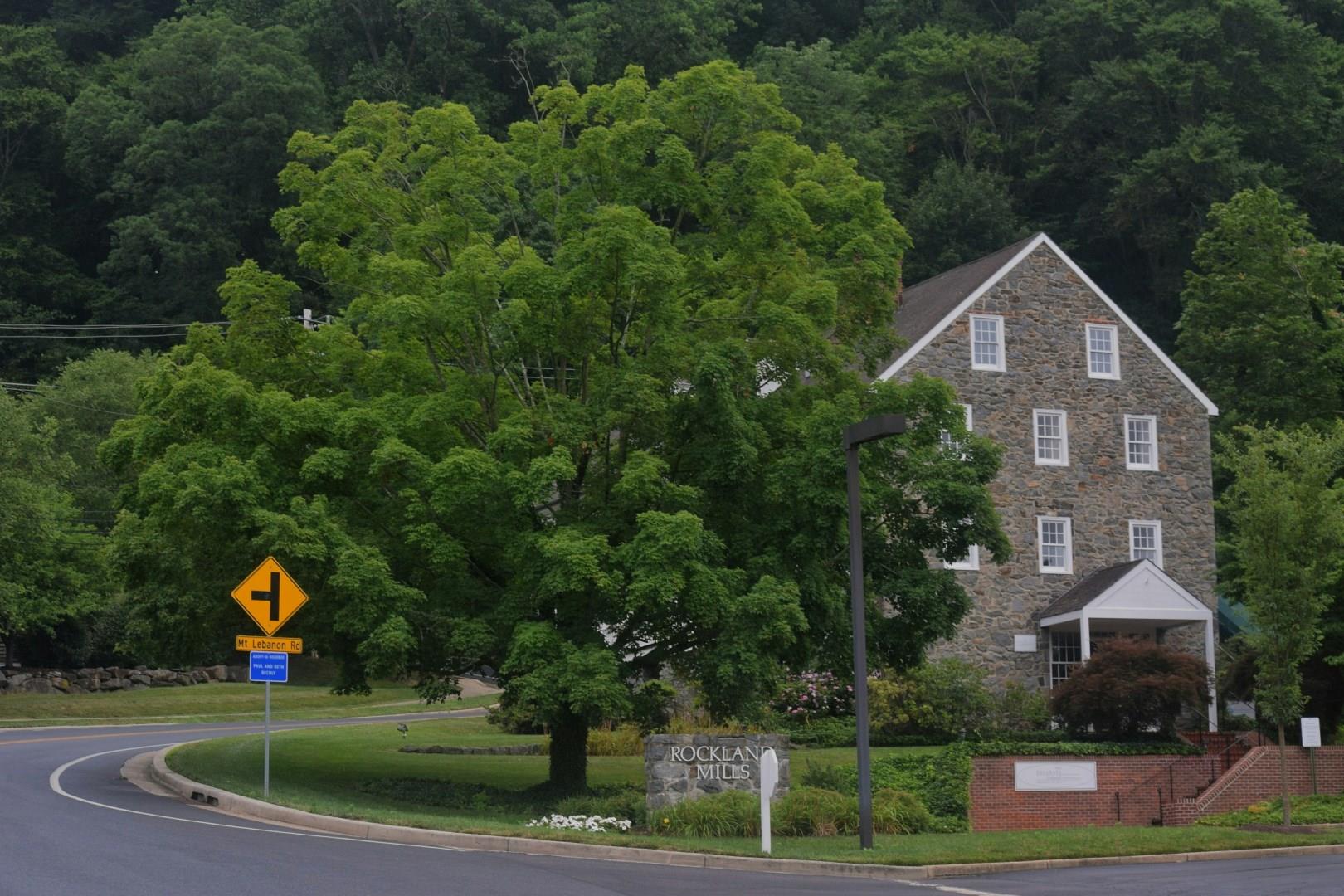
Wilmington
Wilmington, Delaware, offers a dynamic blend of history, culture, and natural beauty, making it a compelling destination for travelers. Situated along the scenic Christina River, Wilmington is home to a variety of attractions that range from historical landmarks to vibrant arts districts. One of the city’s most significant historical sites is the Hagley Museum and Library, which showcases the legacy of the DuPont family and their role in America’s industrial revolution.
