
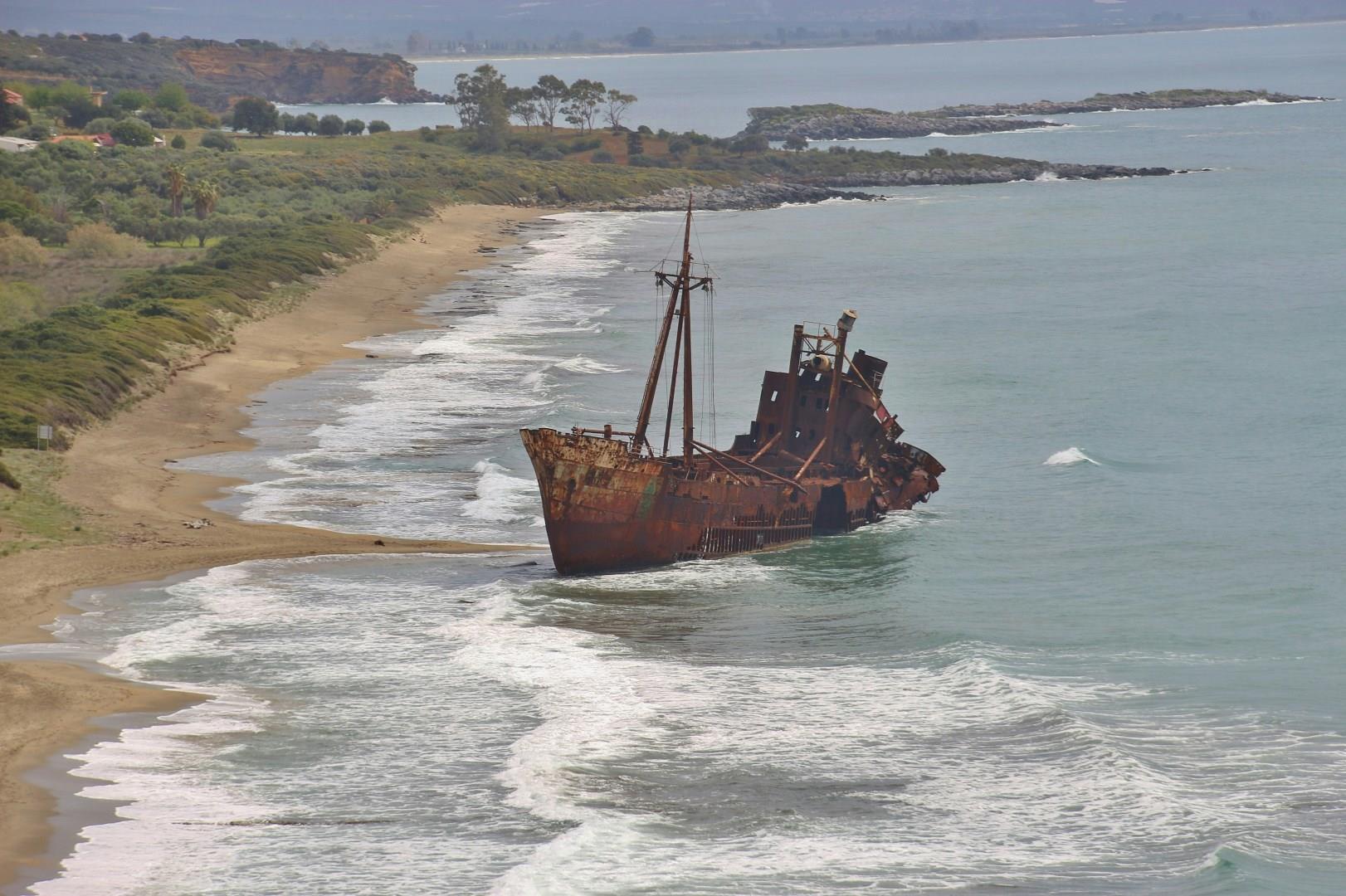
Gythion
Greece’s southern coastline is home to Gythion, a historic port town nestled in the Peloponnese region. Once the naval base of ancient Sparta, Gythion has played a key role in maritime history for centuries. Today, its harbor is lined with colorful neoclassical buildings and fishing boats, creating a picture of daily life that remains connected to its seafaring roots. Just offshore lies Cranae Island, linked to the mainland by a stone causeway.

Beppu
Beppu boasts the largest volume of hot water and number of hot spring sources in Japan. The city is divided into eight distinct hot spring areas.
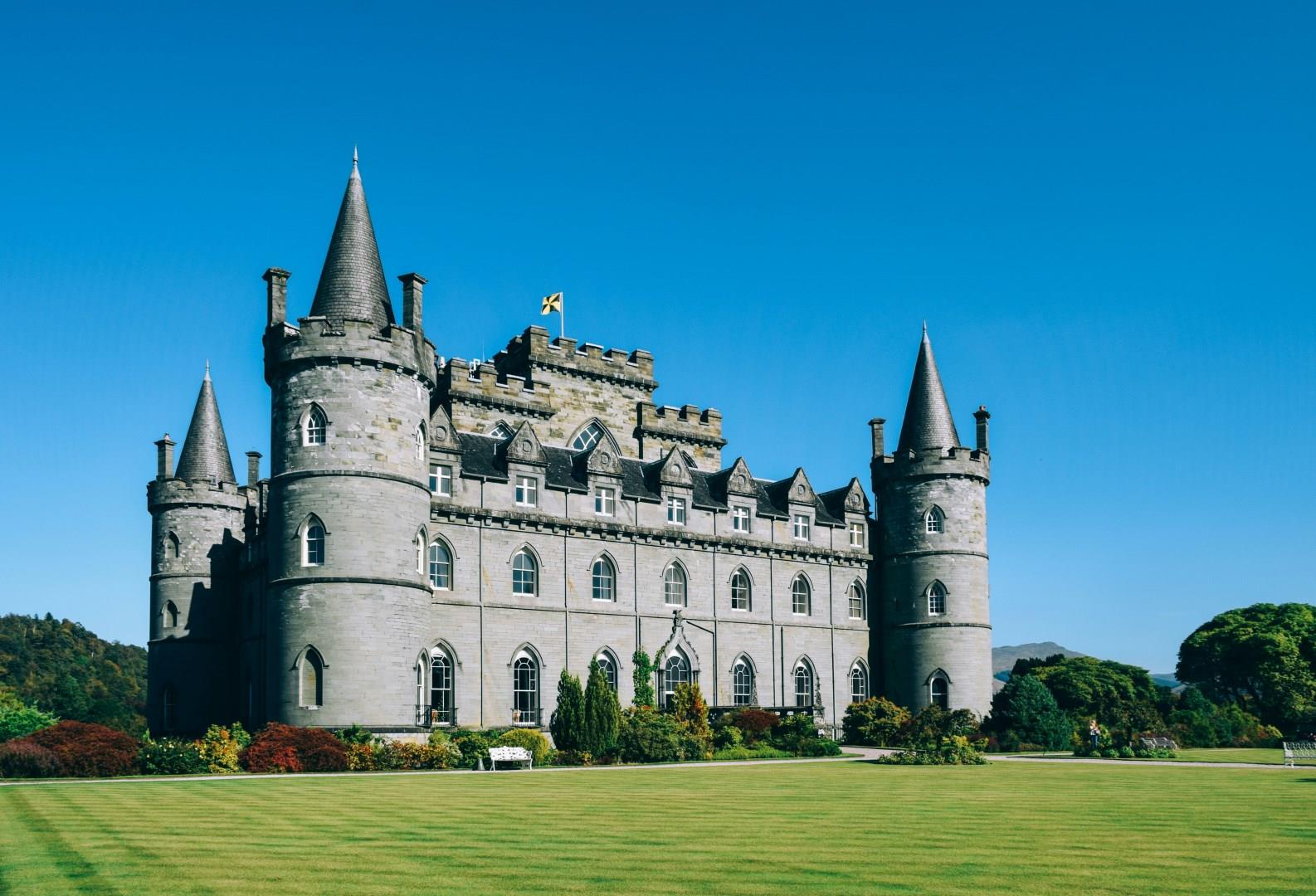
Inveraray
Inveraray, a small town on the western shore of Loch Fyne in Argyll and Bute, Scotland, offers visitors a glimpse into 18th-century planning and Highland heritage. Built largely in the mid-1700s under the direction of the 3rd Duke of Argyll, the town features Georgian architecture, wide streets, and an unusual level of symmetry for a rural Scottish settlement. The main street, lined with whitewashed buildings, leads down to the loch’s edge, where fishing boats and leisure vessels come and go.

Ghana
Ghana, located along West Africa’s Gulf of Guinea, offers a rich blend of cultural heritage and history.
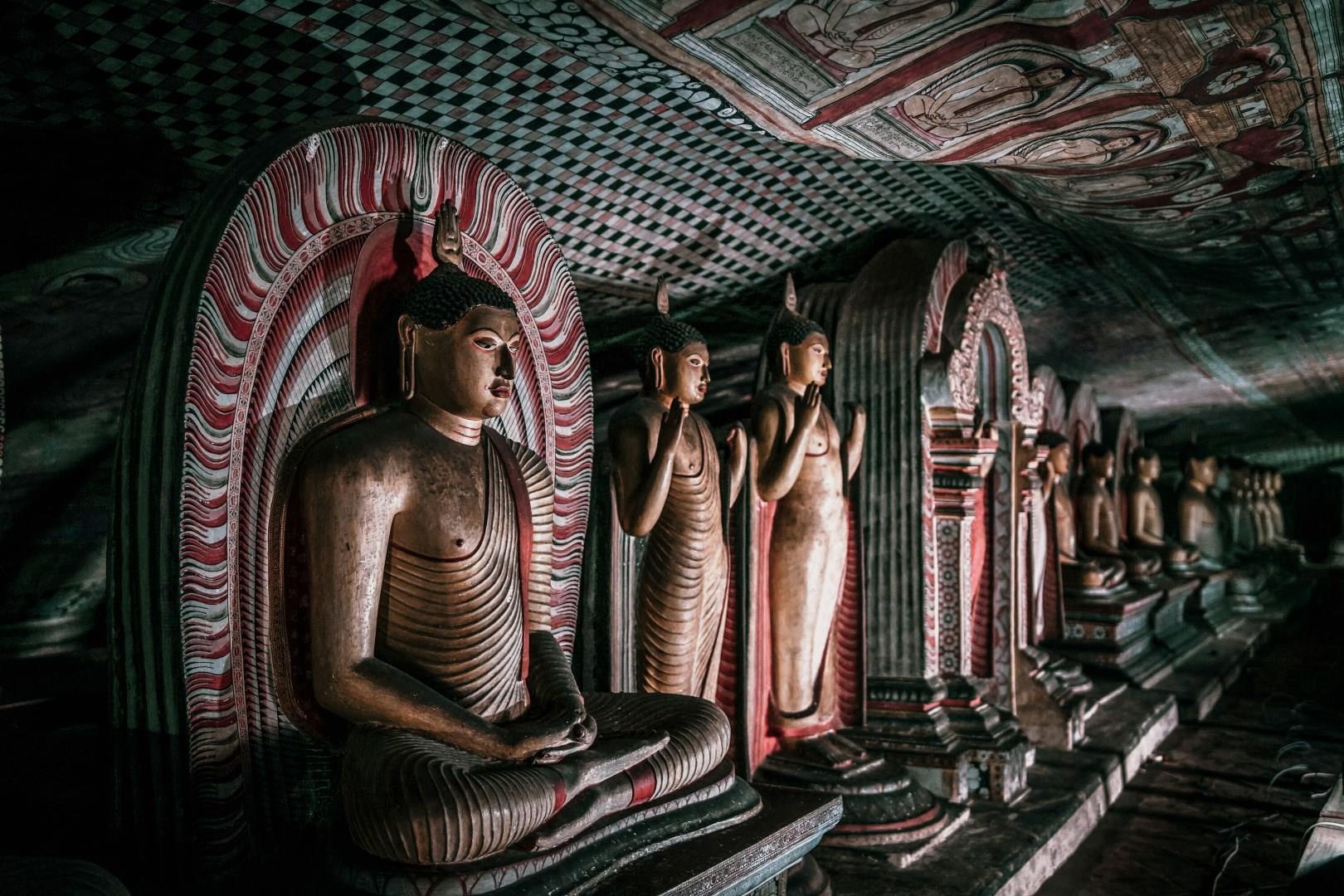
Dambulla
Dambulla, situated in the Central Province of Sri Lanka, is best known for its rock temple complex that has been in use for over two thousand years. The Dambulla Cave Temple, also called the Golden Temple of Dambulla, is made up of five caves carved into a granite outcrop, filled with over 150 Buddha statues and intricate wall paintings. These caves were first used by King Valagamba in the 1st century BCE as a refuge during exile, and later transformed into a sacred site.
