

Yangon
Yangon, Myanmar’s largest city, blends colonial heritage, cultural diversity, and spiritual landmarks. Once the country’s capital, it remains the economic and cultural hub, with lively markets, tree-lined avenues, and historic buildings that reflect its layered past under British, Burmese, and regional influences.
Selcuk
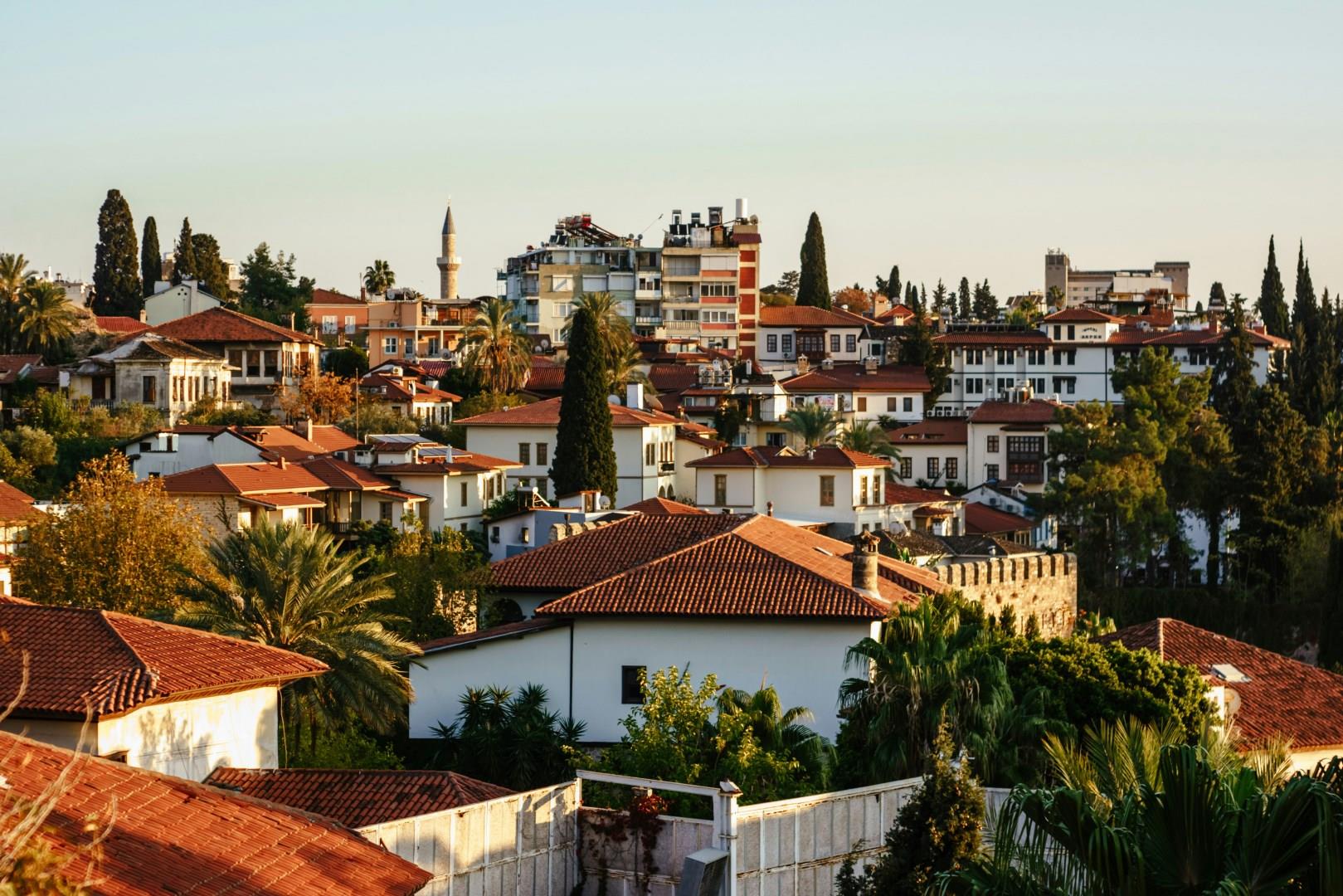
Selcuk, a small town in western Turkey’s İzmir Province, is one of the country’s richest destinations for history lovers. It sits at the foot of the ancient city of Ephesus, once one of the great cities of the classical world and home to the Temple of Artemis, one of the Seven Wonders of the Ancient World.

Kirkwall Orkney Island
Kirkwall, the vibrant capital of the Orkney Islands, Scotland, is a place where history and culture intertwine with stunning natural landscapes. Founded by Norse settlers over a thousand years ago, Kirkwall is steeped in Viking heritage, with its centerpiece, the magnificent St. Magnus Cathedral, standing as a testament to the town’s medieval past.

Kandy
Nestled in the heart of Sri Lanka’s hill country, Kandy is a city steeped in history, culture, and natural beauty. As the last capital of the ancient kings of Sri Lanka, Kandy holds a unique charm that blends its colonial past with a rich, vibrant heritage. The city’s crown jewel is the Temple of the Sacred Tooth Relic, a UNESCO World Heritage site that houses a relic believed to be the tooth of the Buddha.
Taupo
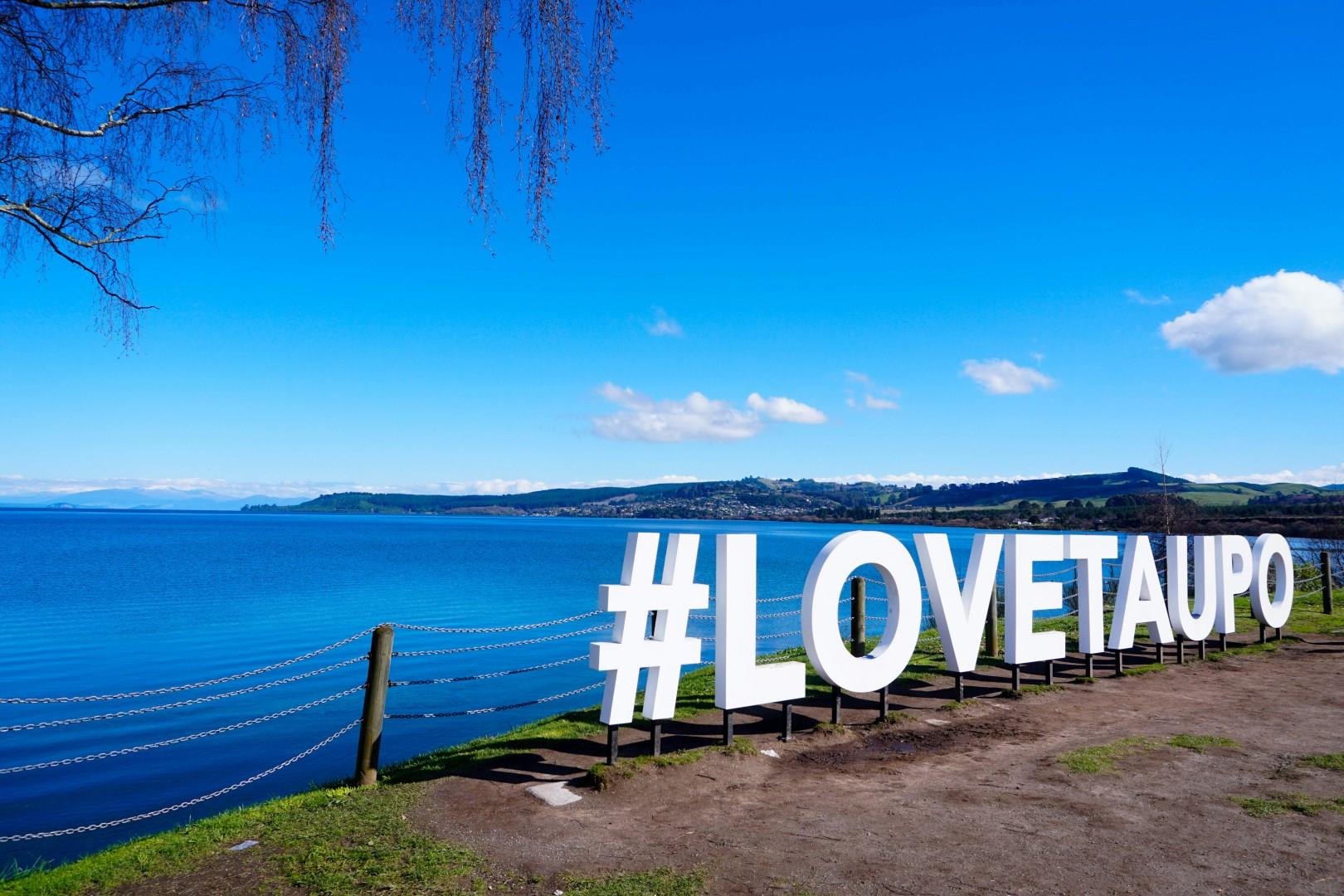
Taupō, located in the heart of New Zealand’s North Island, is built along the shores of Lake Taupō, which is the largest freshwater lake in Australasia, formed nearly two thousand years ago by a massive volcanic eruption. That eruption was so powerful, it was recorded in ancient Chinese and Roman texts, even though it occurred halfway across the world. Today, the lake is calm, clear, and central to life in the region, offering everything from trout fishing to kayaking and lakeside cycling.
