

Oslo
Oslo, Norway’s capital, stands at the crossroads of Nordic history and forward-thinking design. Originally founded over a thousand years ago by Viking King Harald Hardrada, the city has evolved from a medieval trading hub into one of Europe’s most modern capitals. Visitors can explore its layered past at the Akershus Fortress, a 13th-century stronghold still standing guard over Oslofjord, or walk through the preserved wooden homes of Damstredet.
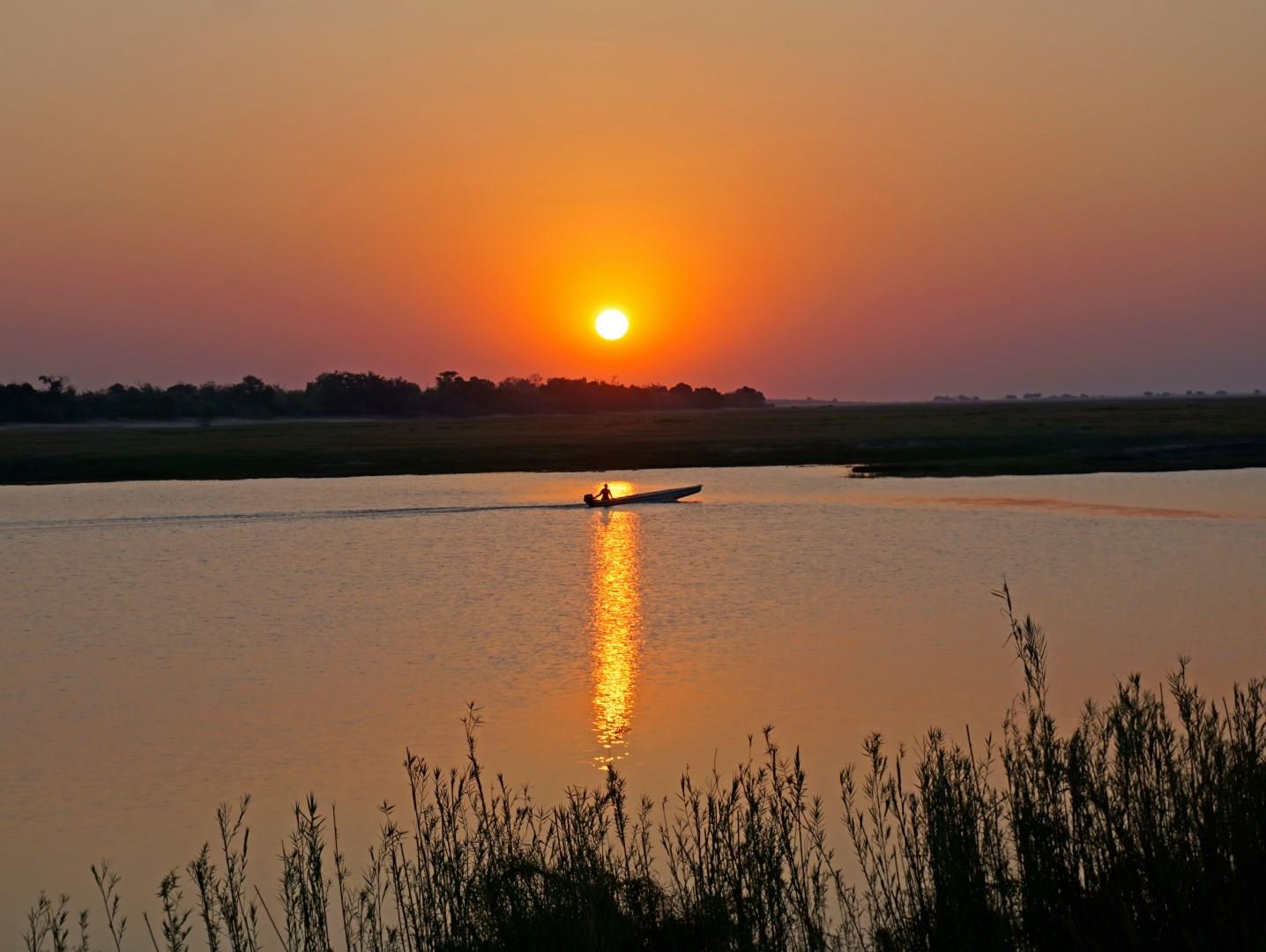
Chobe River
The Chobe River forms the northern boundary of the Chobe National Park. Animal lovers and safari enthusiasts know it as the place where the elephants congregate during winter's dry season and migrant birds are in full color during the wet summer months. The river itself is actually a section of the Cuando River, known as the Chobe from the seasonal lake Liambesi to its outflow at the Zambezi River.
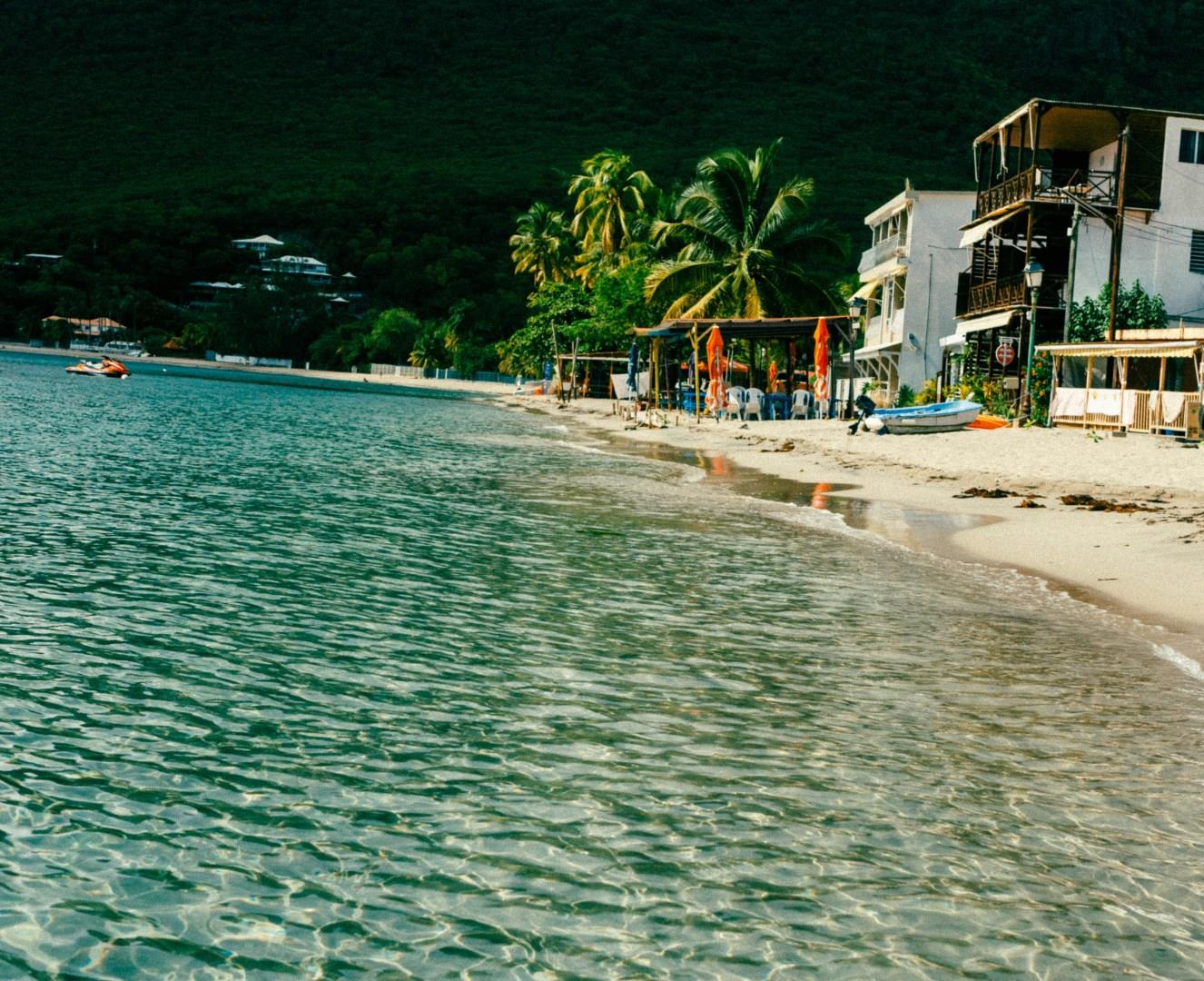
Les Anses-d'Arlet
Les Anses-d’Arlet, a charming fishing village on Martinique’s southern coast, is known for its picture-perfect blend of Caribbean warmth and local tradition. Its centerpiece is a white-sand beach backed by brightly painted houses and the landmark Church of St. Henry, whose steeple aligns beautifully with the sea when viewed from the pier.
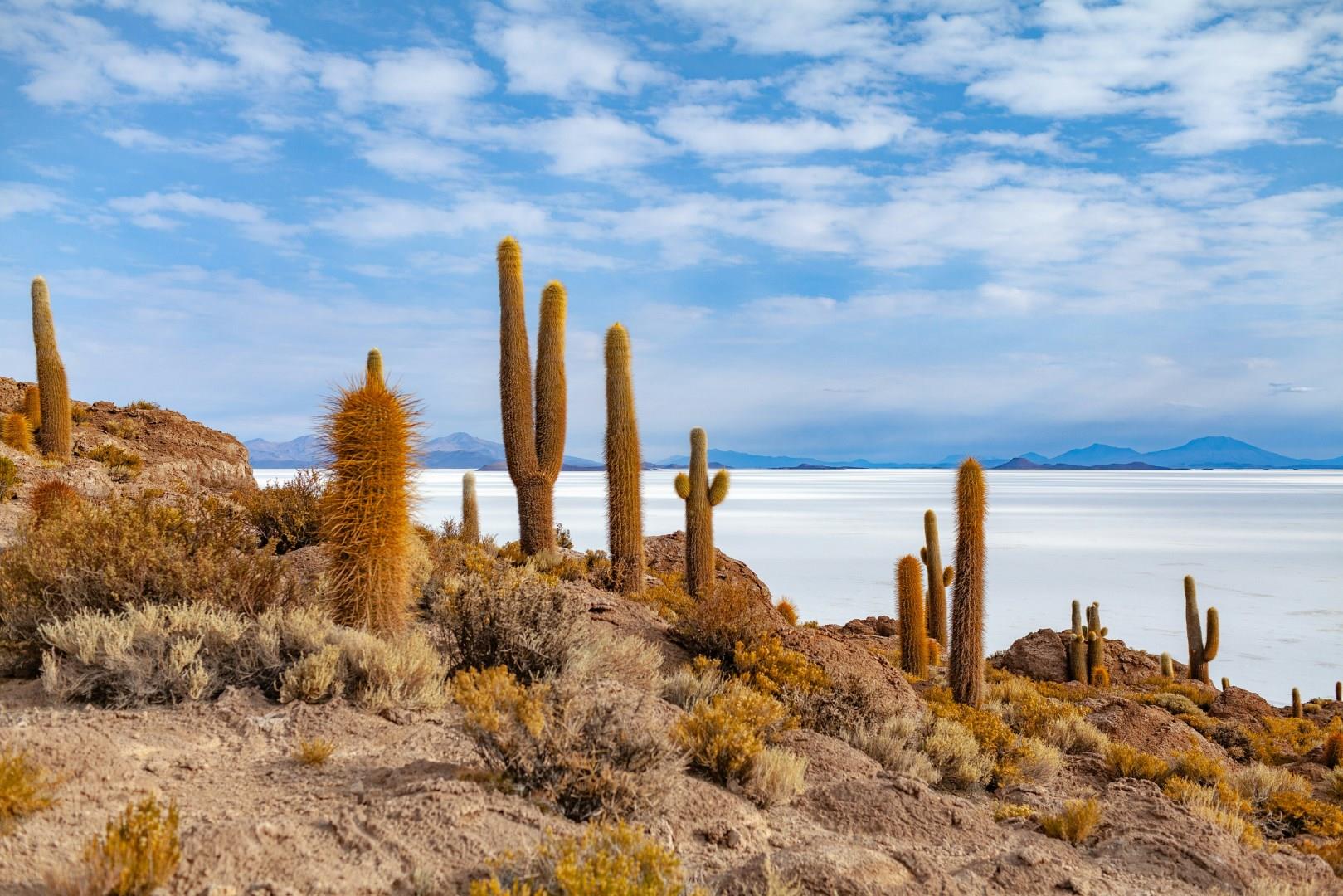
Uyuni
Uyuni, in southwestern Bolivia, is best known as the gateway to the world’s largest salt flat, Salar de Uyuni. Once a humble railway town, Uyuni has grown into a base for travelers drawn to this surreal landscape, where an ancient dried-up lake has left behind a vast expanse of glistening salt crust.
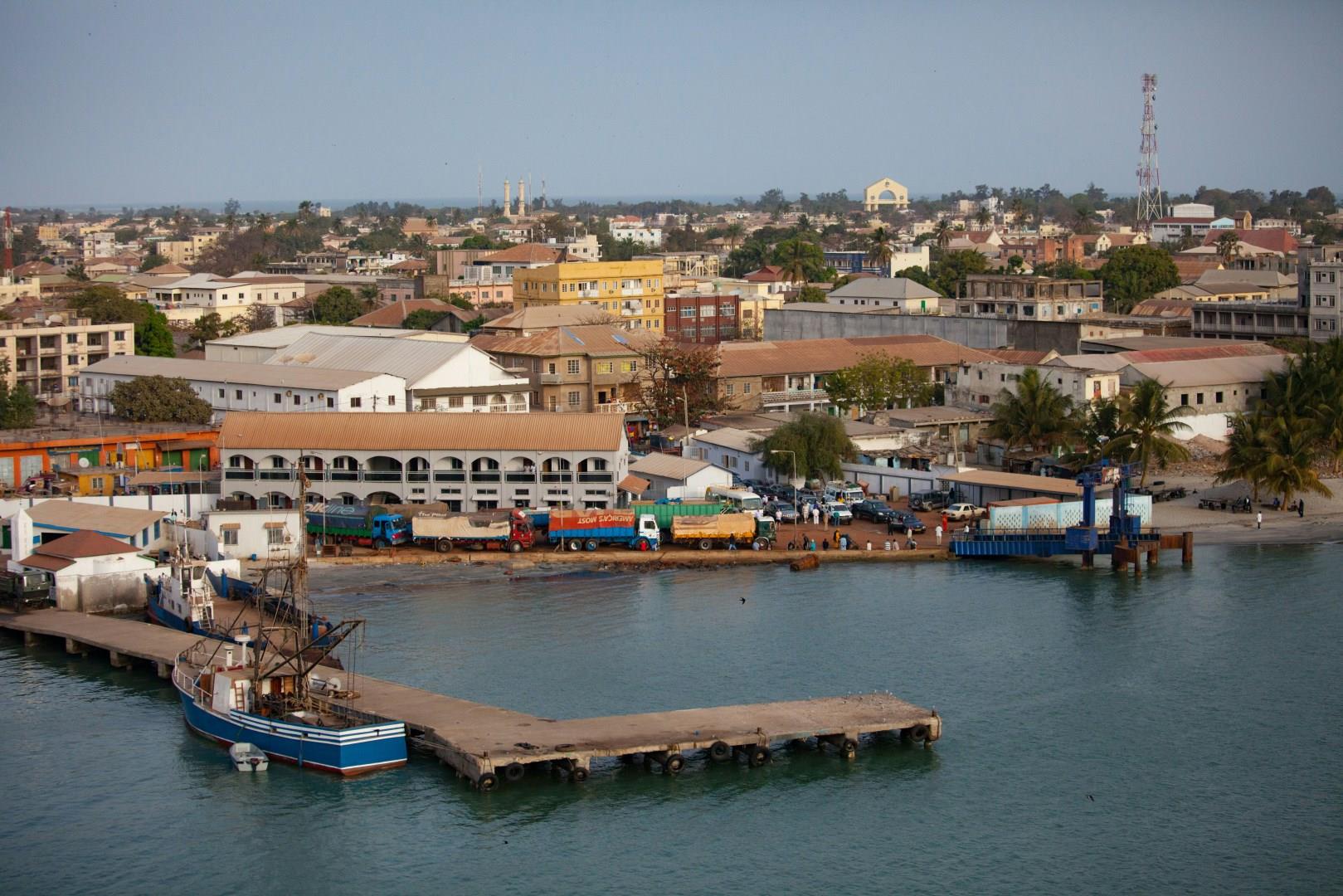
Banjul
Banjul, the capital of The Gambia, is located on St. Mary’s Island at the mouth of the Gambia River, giving it a unique waterfront setting.
