

Coffee Axis
Nestled in the heart of the Andean mountains, Colombia's Coffee Region, or “Eje Cafetero,” is a lush tapestry of rolling hills, fertile valleys, and towering wax palms. This UNESCO World Heritage-listed landscape is more than just the epicenter of Colombia's coffee production—it is an invitation to explore a culture steeped in tradition, warmth, and a deep appreciation for the natural world.

Pemba Island
Pemba Island, located off the coast of Tanzania in the Indian Ocean, offers an idyllic escape for travelers seeking pristine natural beauty and cultural depth. Known as the "Green Island" for its lush, tropical landscapes, Pemba is a quieter, less-visited alternative to its famous neighbor Zanzibar. The island is a haven for those interested in diving and snorkeling, as its coral reefs teem with marine life, from colorful fish to graceful sea turtles.

Pécs
Pécs, Hungary, is a city that seamlessly blends history, culture, and a vibrant modern atmosphere. Nestled at the foot of the Mecsek Mountains in southern Hungary, Pécs boasts a rich heritage that dates back over 2,000 years. Visitors are often captivated by the city’s unique blend of Roman, Ottoman, and Hungarian influences.
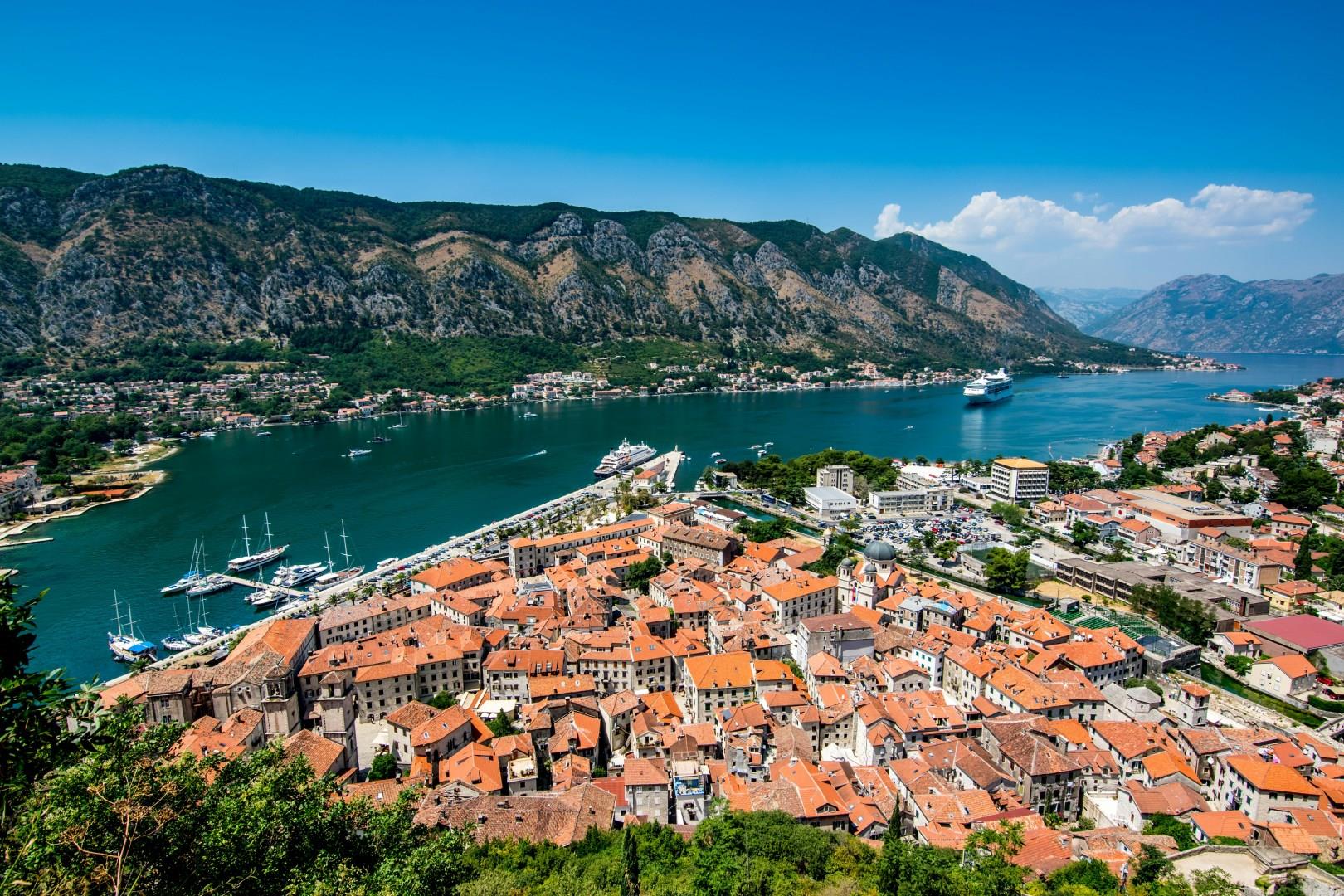
Montenegro
Montenegro, set along the Adriatic Sea, draws travelers with its dramatic landscapes and layered history. The Bay of Kotor, often mistaken for a fjord, is actually a submerged river canyon surrounded by steep cliffs and medieval towns. Kotor itself, a UNESCO World Heritage site, is enclosed by ancient fortifications that visitors can climb for panoramic views stretching from terracotta rooftops to the sea.
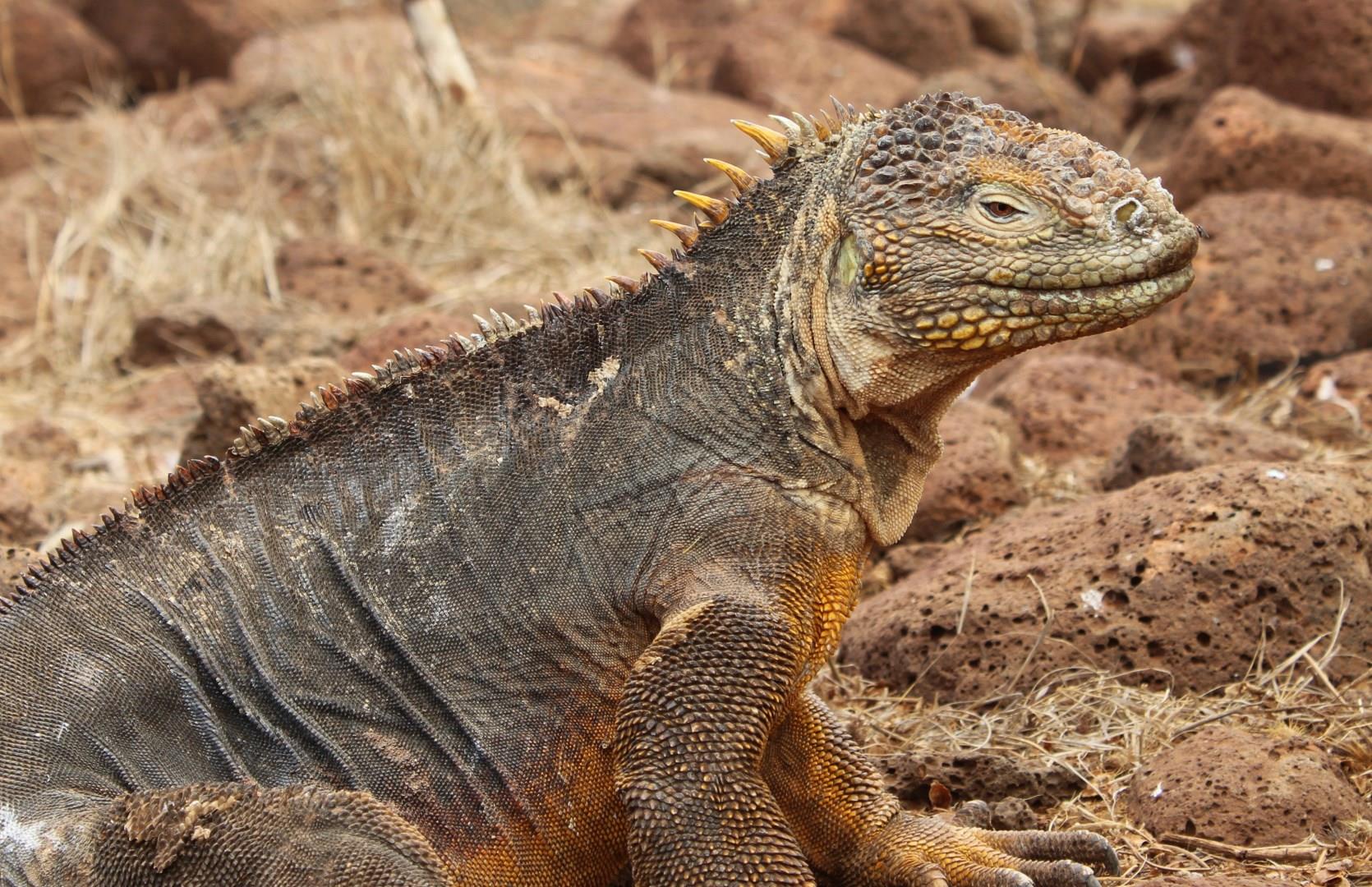
North Seymour
North Seymour Island, located just north of Baltra in Ecuador’s Galápagos archipelago, is a compact but biologically rich destination known for its wildlife encounters. Though small in size, this flat, arid island punches far above its weight when it comes to natural spectacle, offering a rare chance to observe iconic species in a remarkably close setting.
