

Amsterdam
Amsterdam, the 17th century capital of Holland, is often called the "Venice of the North" due to its numerous, boat-navigable canals. Truly rich in history, the oldest part of this populous, multicultural city is Sloten, which dates all the way back to the 9th century.
Sierra Leone
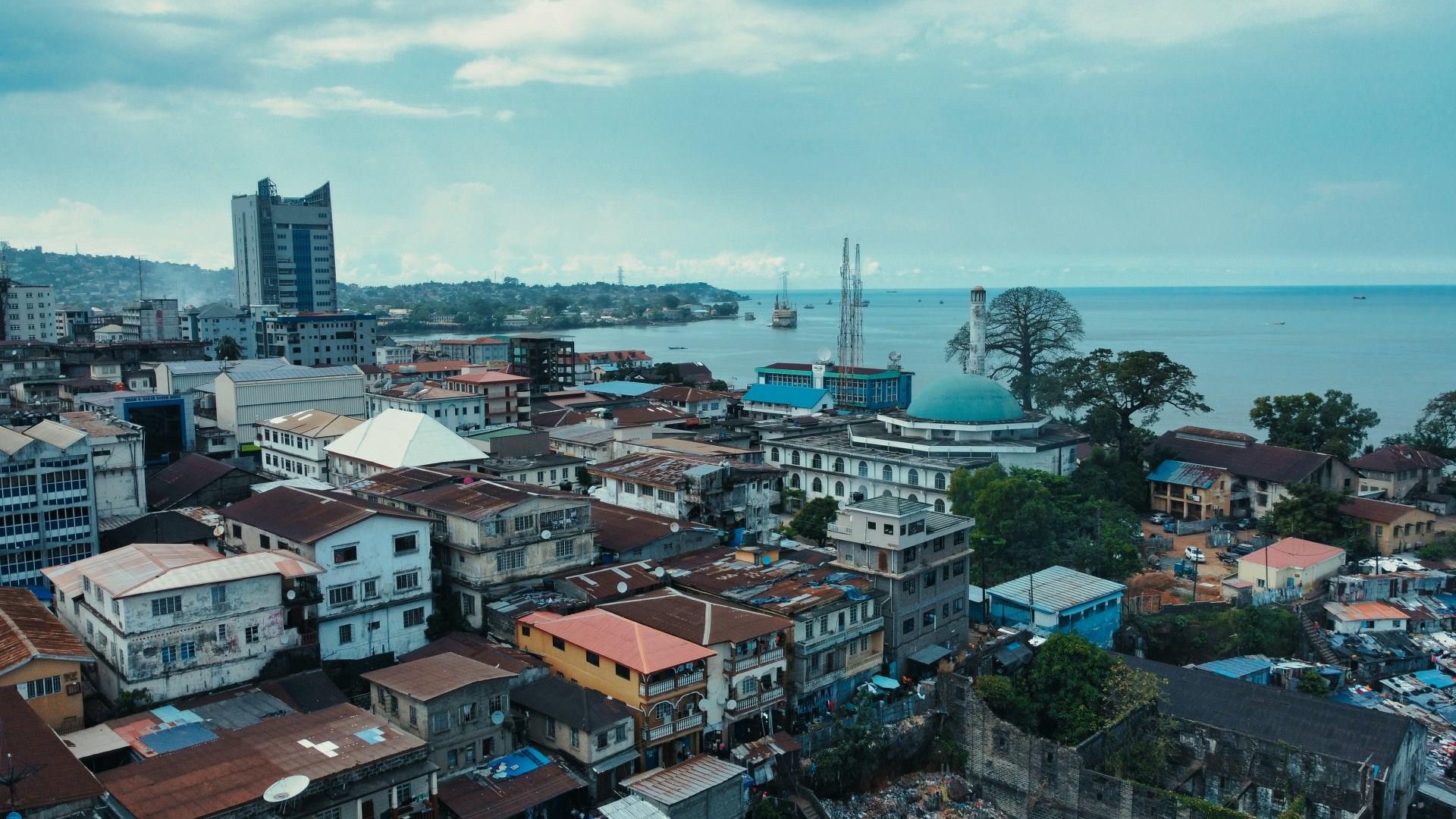
Sierra Leone, on the coast of West Africa, is a country of striking contrasts, where white-sand beaches meet green mountains and vibrant cities. Its Atlantic shoreline stretches for miles, offering quiet escapes as well as lively coastal communities.

Napa Valley
Napa Valley, California, is synonymous with world-class wine, offering a refined yet welcoming escape to one of the most renowned wine regions on the planet. Nestled between the Mayacamas Mountains and Vaca Range, Napa Valley boasts over 400 wineries. Tourists flock to this bucolic haven to experience wine tastings, vineyard tours, and cellar explorations. But Napa is more than just a destination for wine lovers; it's a gateway to California's finest culinary offerings.

Morelia
Morelia, the capital of Michoacán, is a city that wears its history in stone. Built in the 16th century and recognized as a UNESCO World Heritage Site, its historic center is filled with over 200 colonial-era buildings made from pink cantera, a soft volcanic stone that gives the city its distinct look. The centerpiece is the Morelia Cathedral, a massive baroque structure that features twin towers that light up every Saturday night with a fireworks and music display.
Yogyakarta Java
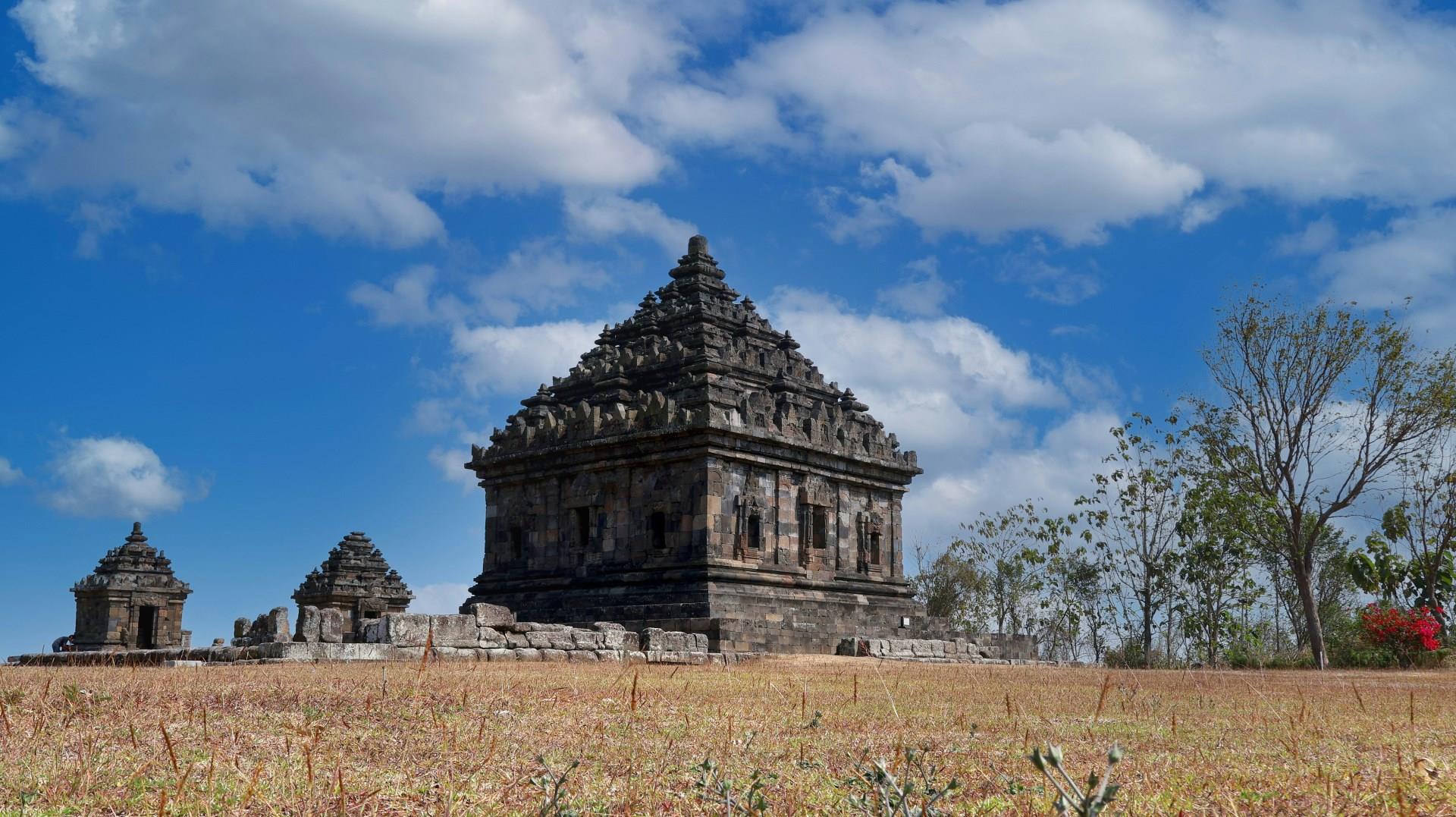
Yogyakarta, on the island of Java, is often described as Indonesia’s cultural capital, a reputation grounded in living tradition rather than nostalgia. It remains the seat of a functioning sultanate, and the royal palace, or kraton, anchors the city’s identity through ceremonies, crafts, and court arts that continue to shape everyday life. The city also played a key role in Indonesia’s struggle for independence, giving it a strong sense of civic pride and historical awareness.
