
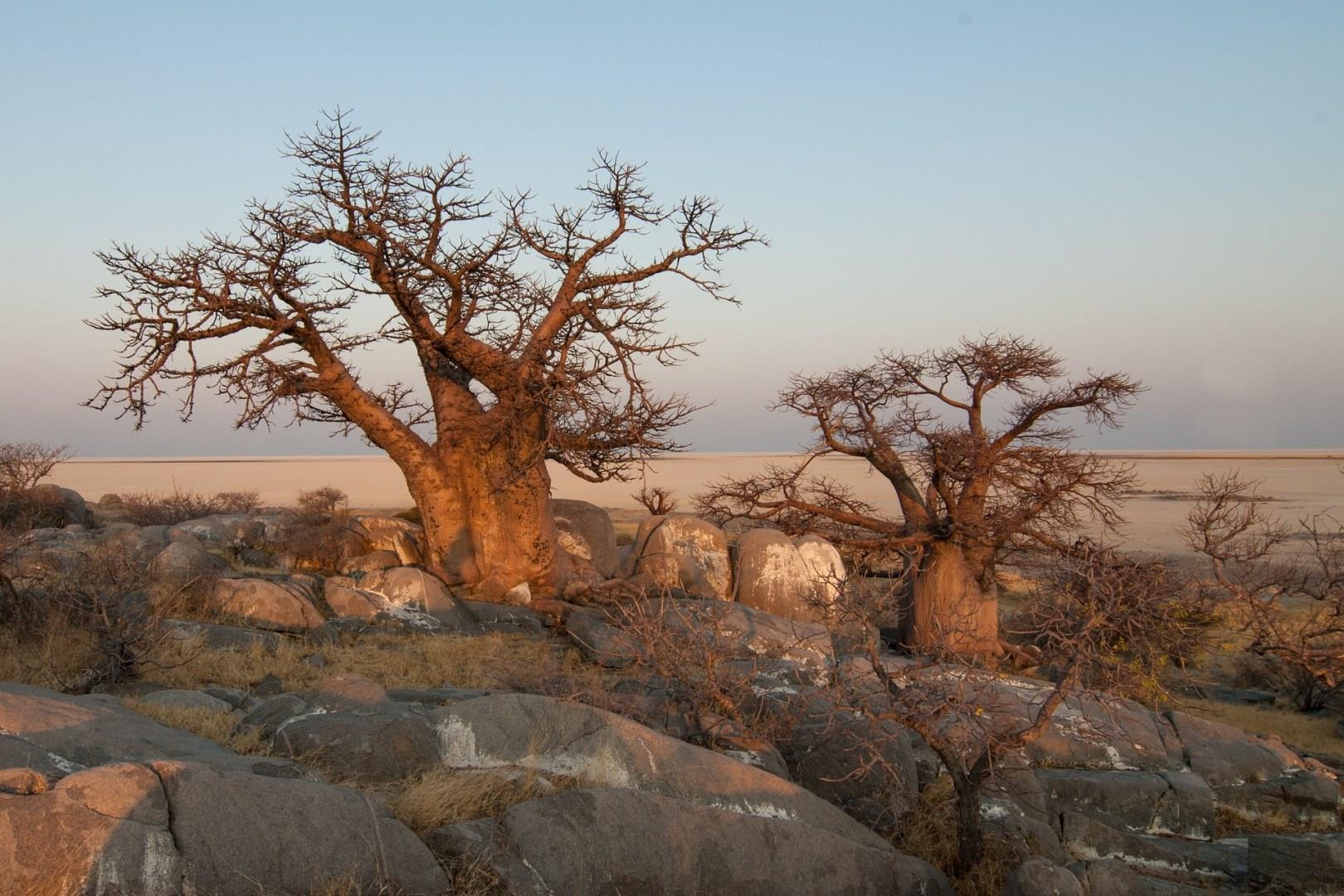
Botswana
Botswana, a jewel of southern Africa, offers a captivating blend of natural beauty and unique wildlife experiences. The country is renowned for its pristine wilderness areas, including the Okavango Delta, a UNESCO World Heritage site. This sprawling inland delta floods annually, creating a lush oasis in the Kalahari Desert. Here, visitors can explore a maze of waterways and lagoons by traditional mokoro canoe, spotting a rich array of wildlife such as elephants, hippos, and various bird species.
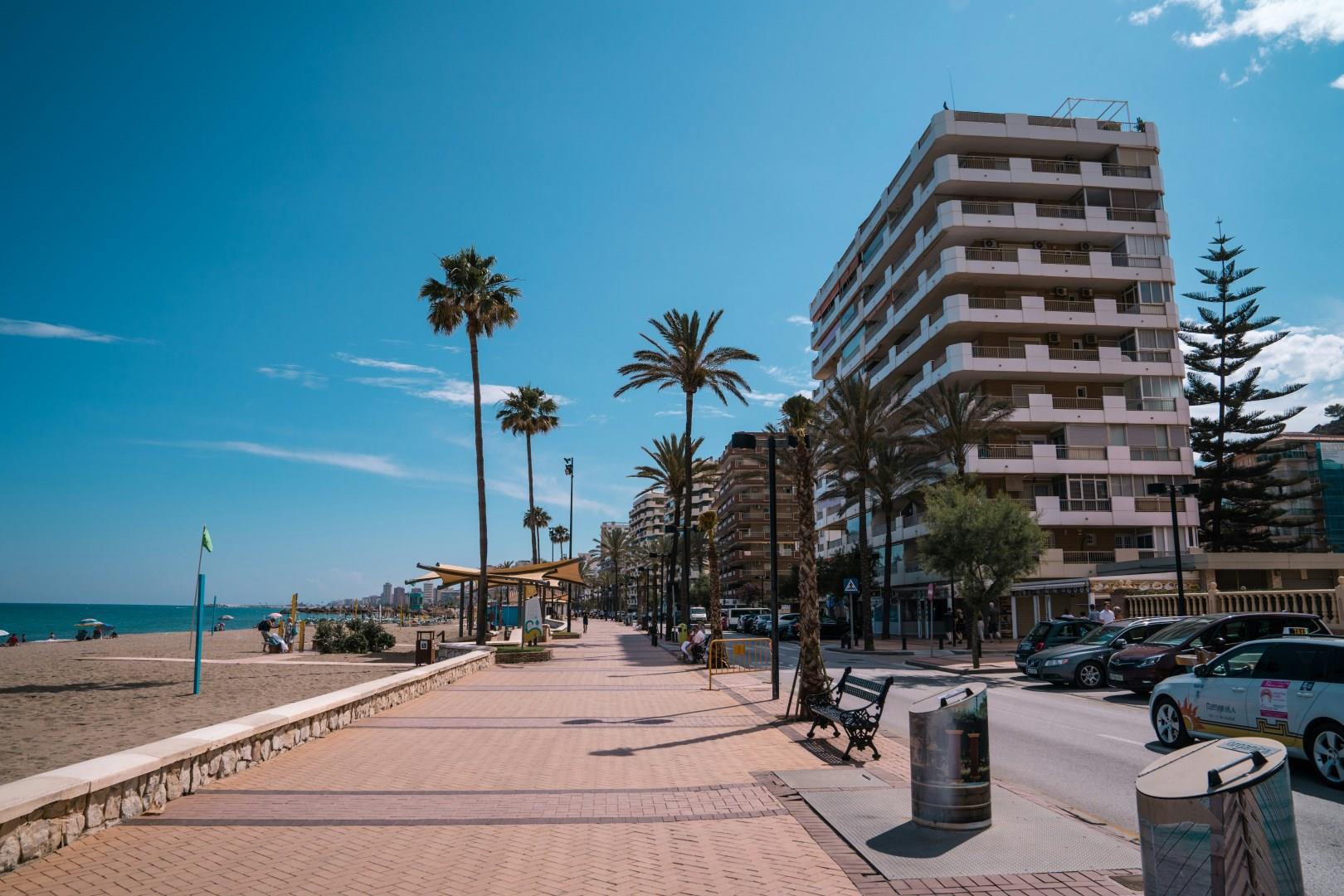
Costa del Sol
The Costa del Sol, stretching along the southern coast of Spain in Andalusia, is famed for its golden beaches, lively coastal towns, and sunny Mediterranean climate.

Punakha
Punakha sits in one of Bhutan’s most fertile valleys, cradled where the Mo Chhu and Pho Chhu rivers meet. For centuries it served as the kingdom’s capital and remains a place rich with stories woven through its fields, temples, and riverbanks. The city’s low elevation brings warmer weather than much of Bhutan’s highland regions, and rice paddies fill the landscape with vivid green during planting and golden hues at harvest.

Australia & New Zealand
Australia and New Zealand each have their own identities, shaped by indigenous heritage, colonial history, and vibrant contemporary cultures. Visitors can travel between the two in just a few hours, yet find themselves in entirely different worlds.
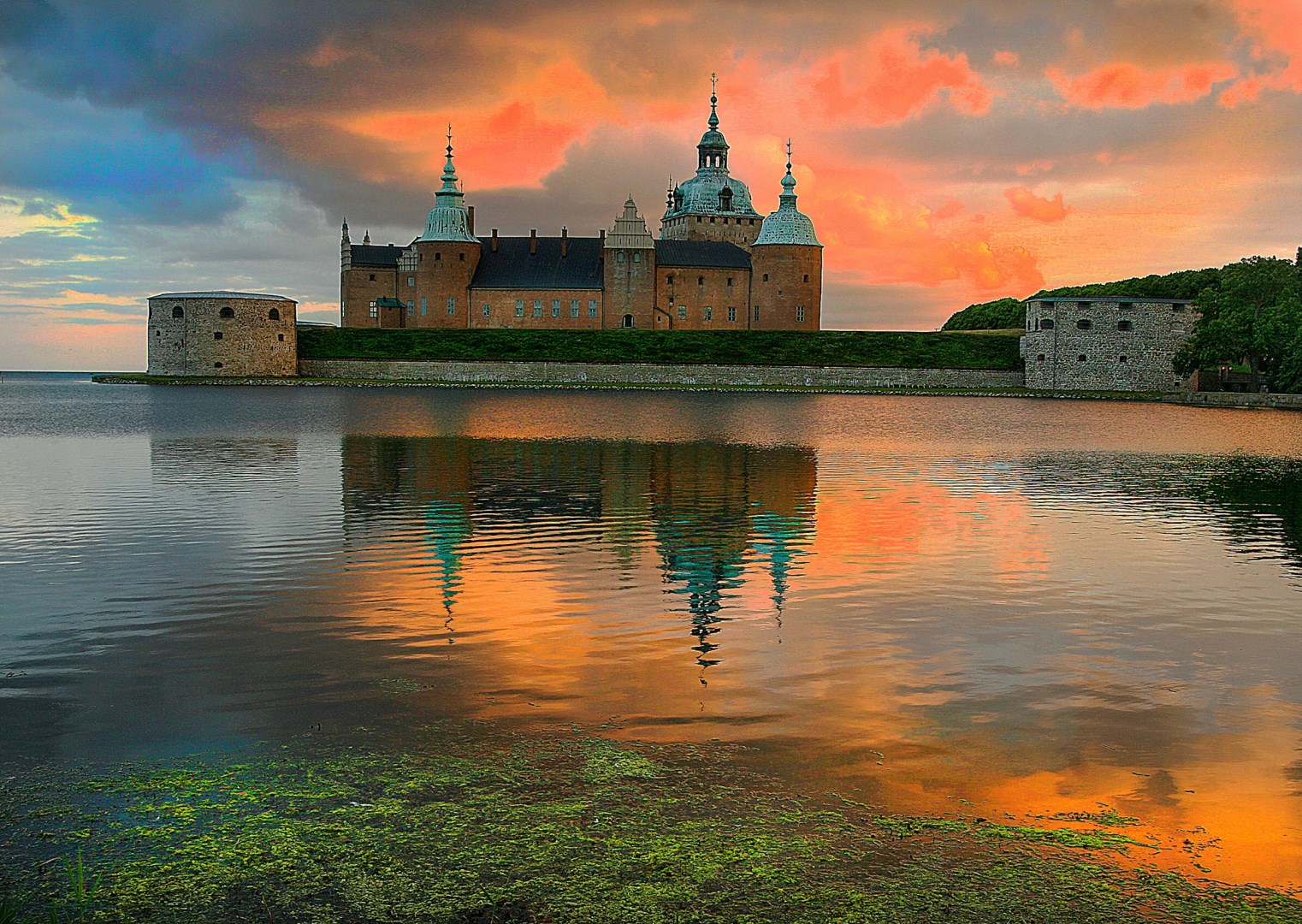
Kalmar
Kalmar Union, combination of the crowns of Denmark, Sweden, and Norway, effected at Kalmar, Sweden, by Margaret I in 1397. Because all three crowns were elective, the union could not be maintained by inheritance. Margaret's successors controlled Sweden intermittently until Gustavus I of Sweden dissolved the union (1523). Norway became independent in 1814.
