

Wroclaw
Wrocław, a captivating gem in southwestern Poland, enchants visitors with its rich history, vibrant culture, and stunning architecture. The city’s picturesque Old Town is centered around the magnificent Market Square (Rynek), where colorful facades and historic buildings like the Gothic Wrocław Town Hall create a fairy-tale atmosphere.

Charleston
Charleston, South Carolina, is a gem of Southern charm and history, offering an immersive travel experience in a beautifully preserved city. Known for its cobblestone streets and antebellum architecture, Charleston's historic district is a living museum where visitors can stroll past colorful row houses and elegant mansions. Key landmarks include the Battery and Rainbow Row, a series of pastel-colored houses that are among the city's most photographed sites.

Kanchanaburi
Kanchanaburi, a province in western Thailand, is best known for its poignant history and lush landscapes. It was here that Allied prisoners of war and Asian laborers were forced to build the infamous Death Railway during World War II, including the Bridge over the River Kwai, which remains a powerful symbol of resilience.
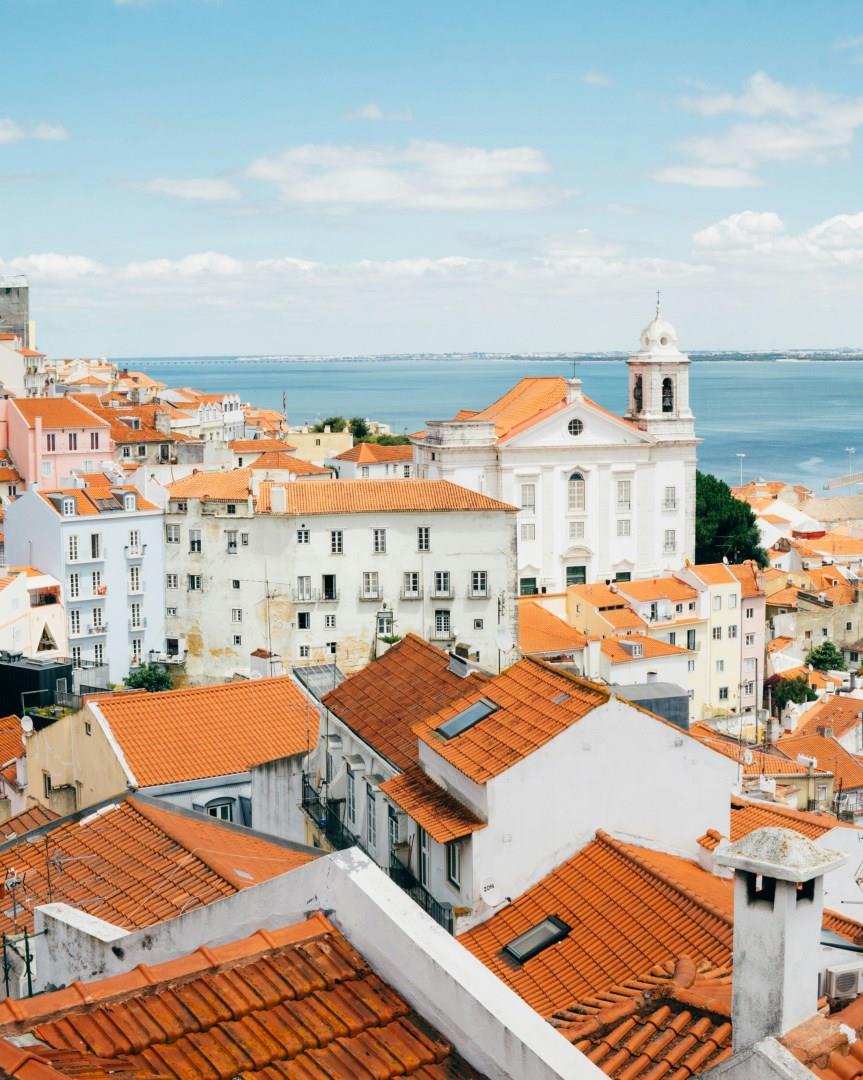
Portugal
Portugal offers a layered experience shaped by maritime history, deep-rooted traditions, and a coastline that stretches for nearly 1,800 kilometers. In Lisbon, the streets of Alfama wind uphill toward São Jorge Castle, where views of red-tiled rooftops and the Tagus River reveal how the city was rebuilt after the 1755 earthquake. Trams still clatter through narrow streets, and fado music, often performed in candlelit taverns, tells stories of longing and the sea.

Uyuni
Uyuni, in southwestern Bolivia, is best known as the gateway to the world’s largest salt flat, Salar de Uyuni. Once a humble railway town, Uyuni has grown into a base for travelers drawn to this surreal landscape, where an ancient dried-up lake has left behind a vast expanse of glistening salt crust.
