

Kamloops
Kamloops, located in the interior of British Columbia, sits at the meeting point of the North and South Thompson Rivers. The name comes from the Secwépemc word “Tk’emlúps,” meaning "where the rivers meet," and the area has been a gathering place for Indigenous communities for thousands of years. Today, visitors can explore this rich cultural heritage at the Secwépemc Museum and Heritage Park, where trails lead through archaeological sites and reconstructed pit houses.
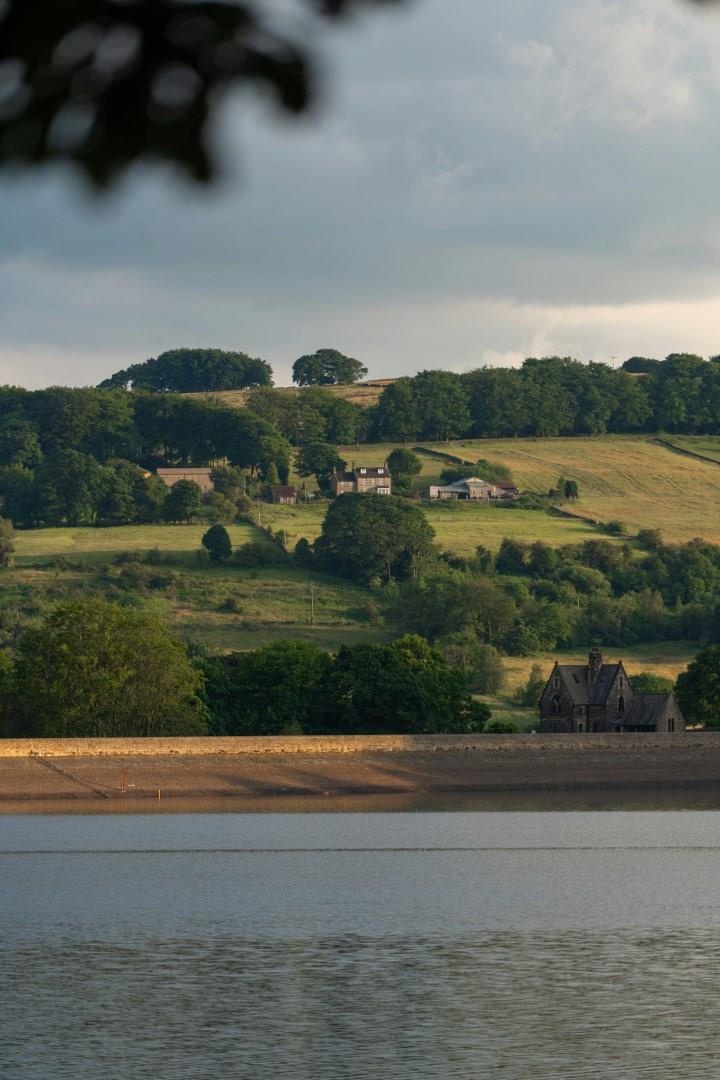
Sheffield
Sheffield, once the global heart of the steel industry, has evolved into a city where industrial heritage meets green landscapes and a growing creative scene. Known historically for innovations like stainless steel, Sheffield still celebrates its roots at sites like the Kelham Island Museum, where restored machinery and interactive exhibits tell the story of the city’s engineering legacy.

Busan
Busan is located on the southeastern coast of South Korea and is an exciting port city famous for its beaches, including Haeundae Beach, Gwangalli Beach, and Dadaepo Beach. From bustling marketplaces, to Buddhist temples, to Korean War memorials, Busan is brimming with culture and history and offers plenty to explore on your next visit to South Korea.

San Juan
San Juan, Puerto Rico’s capital, is a city where cobblestone streets lead to centuries-old forts and pastel-colored buildings overlook the Atlantic. The district of Old San Juan is a UNESCO World Heritage Site, known for its Spanish colonial architecture and thick stone walls that once defended the city from pirates and naval attacks. The city hosts regular events such as La Campechada, which celebrates Puerto Rican art and literature with live performances and open-air exhibits.

Sardinia
Sardinia, an island gem in the Mediterranean Sea, beckons travelers with its stunning landscapes and rich cultural heritage. Known for its dramatic coastline and crystal-clear waters, Sardinia boasts some of the most beautiful beaches in Italy. The Costa Smeralda, with its turquoise waters and white sandy beaches, is a highlight, attracting sun-seekers and luxury travelers alike.
