
Blue Bay
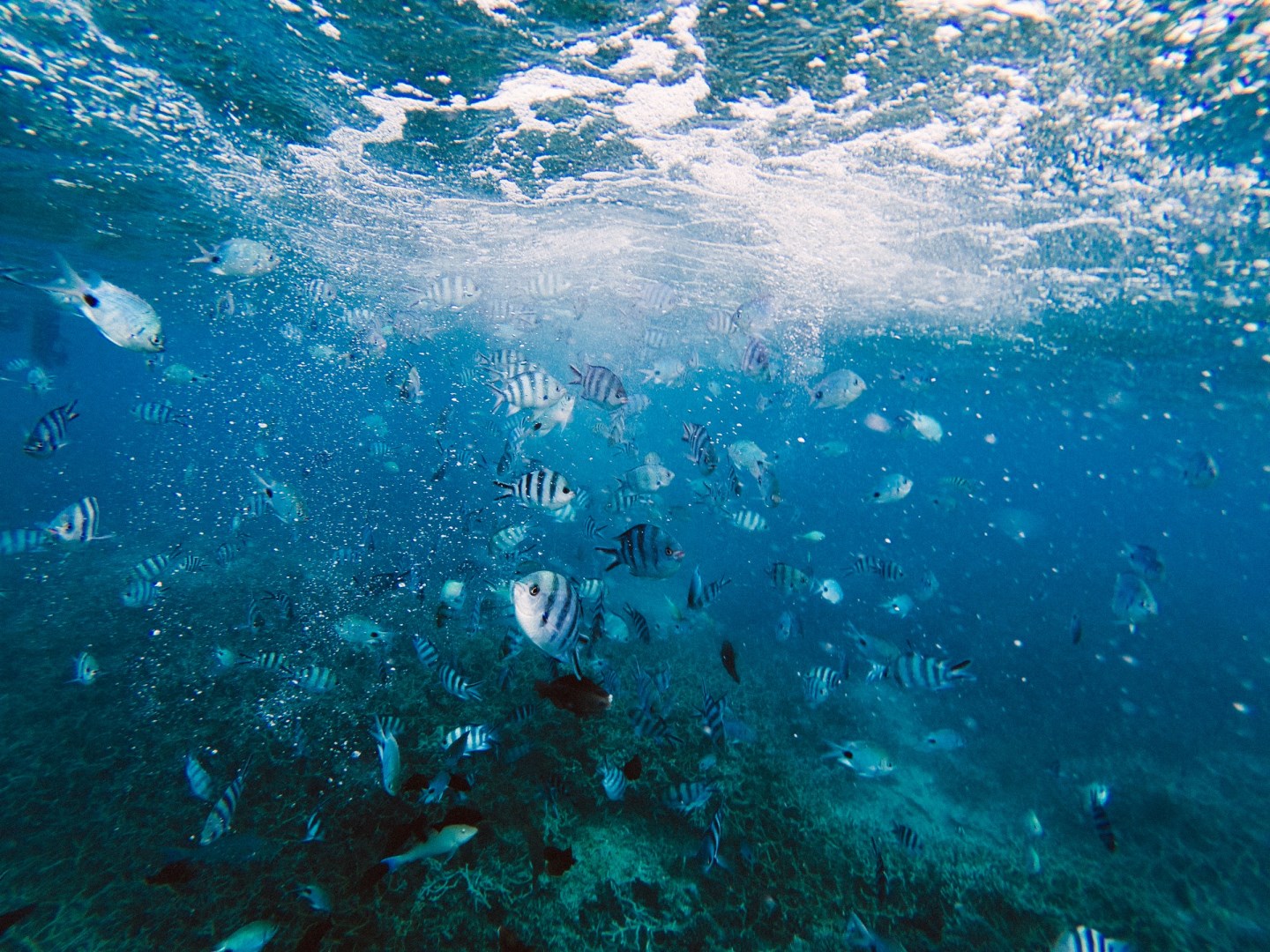
Blue Bay is a coastal village in southeastern Mauritius, within the district of Grand Port and close to Sir Seewoosagur Ramgoolam International Airport. It is best known for Blue Bay Marine Park, a protected lagoon where coral reefs and clear shallow waters support a rich variety of marine life. The village sits beside a curved sandy beach and sheltered bay, with views across the lagoon toward small offshore islets.

Las Palmas
Las Palmas (officially Las Palmas de Gran Canaria) is the capital of Gran Canaria island as well as co-capital (along with Santa Cruz de Tenerife) of the Canary Islands. It is a major cruise-ship port known for duty-free shopping and sandy beaches, including Playa de Las Canteras, considered by many to be one of the best urban beaches worldwide.
Caño Island
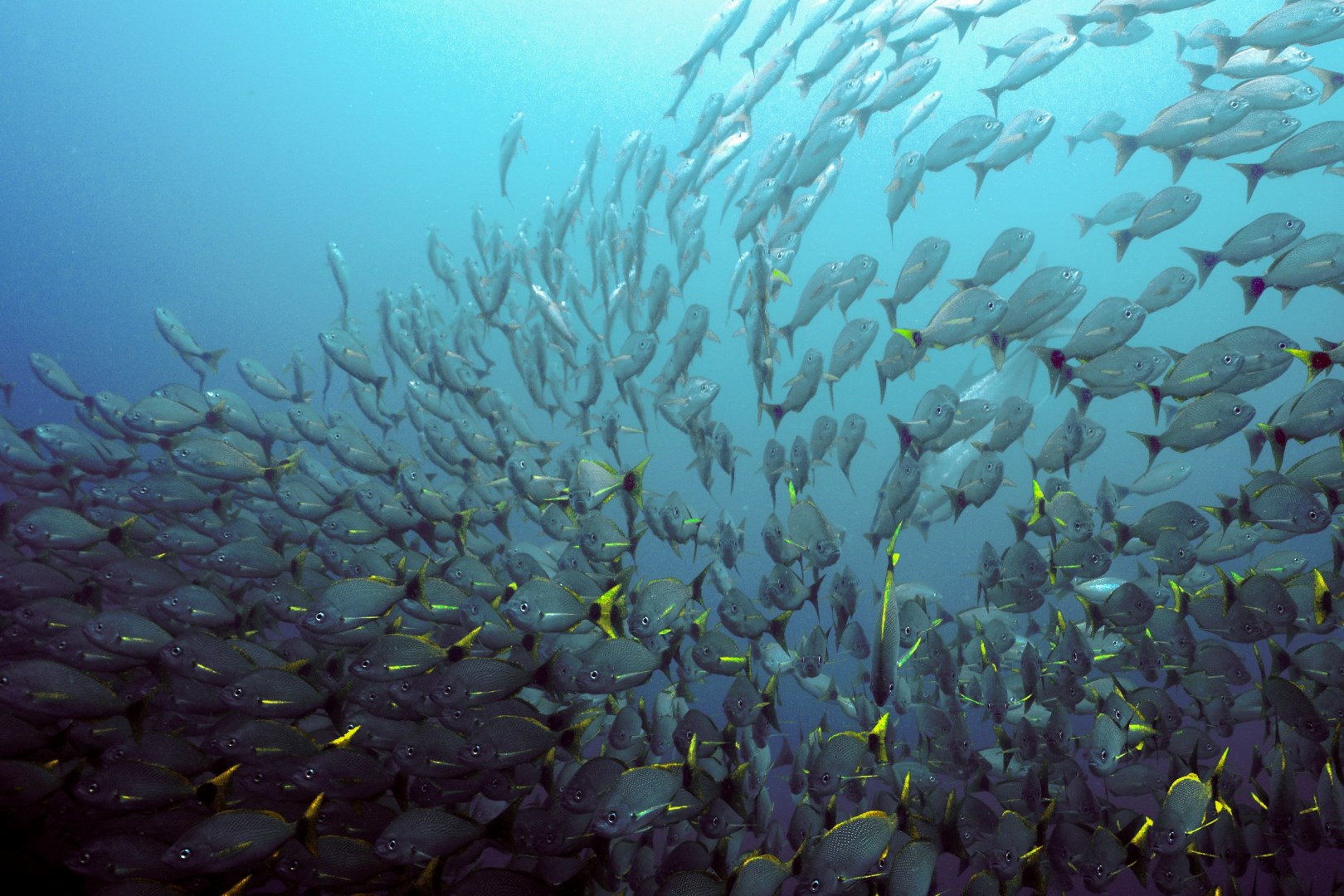
The snorkeling is extraordinary in the reefs of Cano Island. Cano has its roots in pre-Columbian trading and is also a former burial ground for coastal Indians.

Haiti
Haiti offers visitors a unique glimpse into a proud and resilient heritage. Its vibrant art, music, and traditions make it a destination unlike any other in the Caribbean.
Annapolis
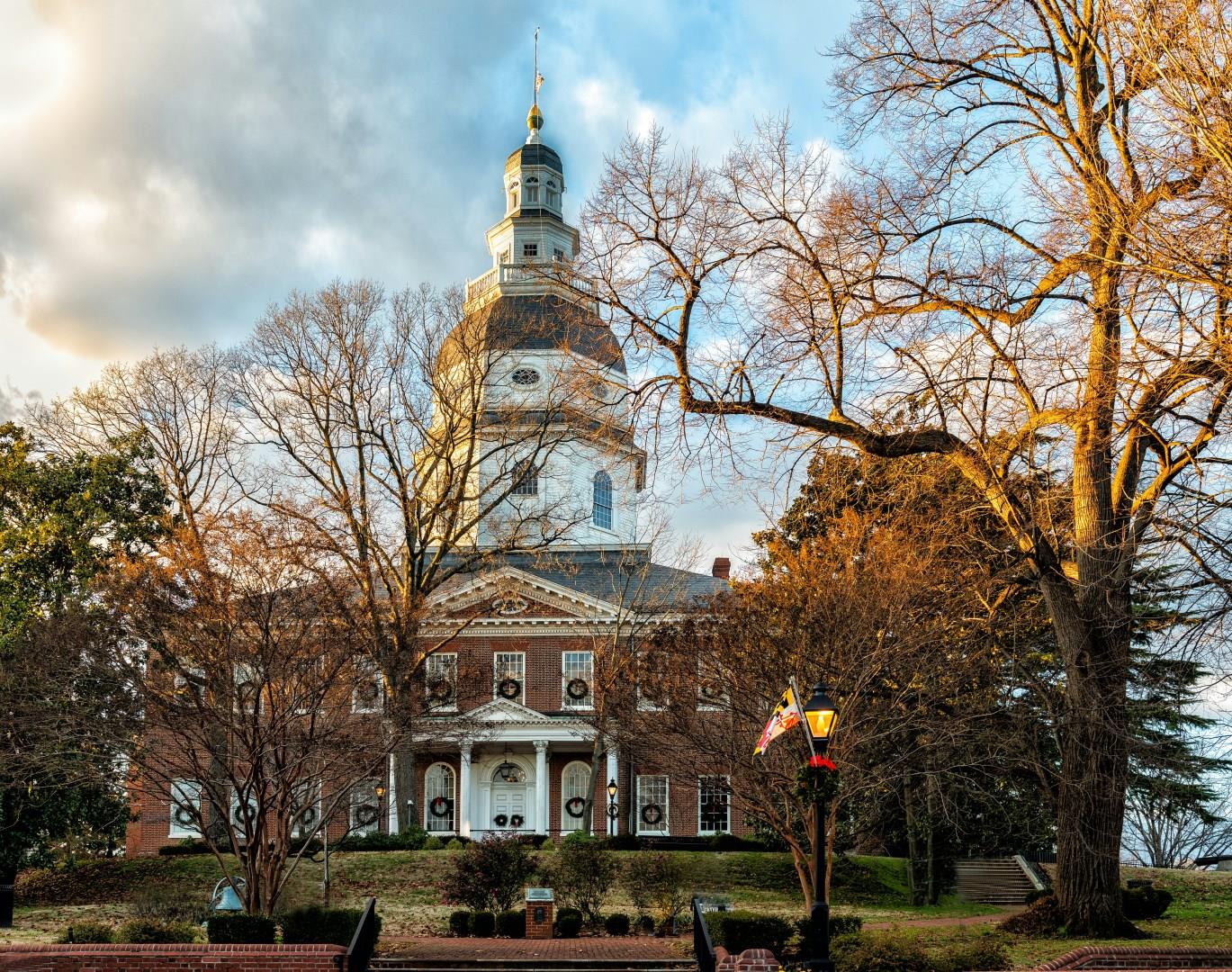
Annapolis may be best known as the state capital, but its real charm lies in its deep maritime history, walkable streets, and Chesapeake Bay lifestyle. Founded in 1649, Annapolis served as the temporary capital of the United States in 1783 and is still home to the oldest state house in continuous legislative use. A visit to the Maryland State House, where George Washington famously resigned his military commission, offers a direct link to the early days of American democracy.
