

Denali National Park
Denali National Park and Preserve is an adventurer’s paradise! This scenic landscape and arctic tundra in the Alaska wilderness is one of the country’s most beautiful national parks, and with over six millions acres of land, the park offers plenty of exhilarating activities, breathtaking hikes, and majestic sights, all of which will leave you in awe.
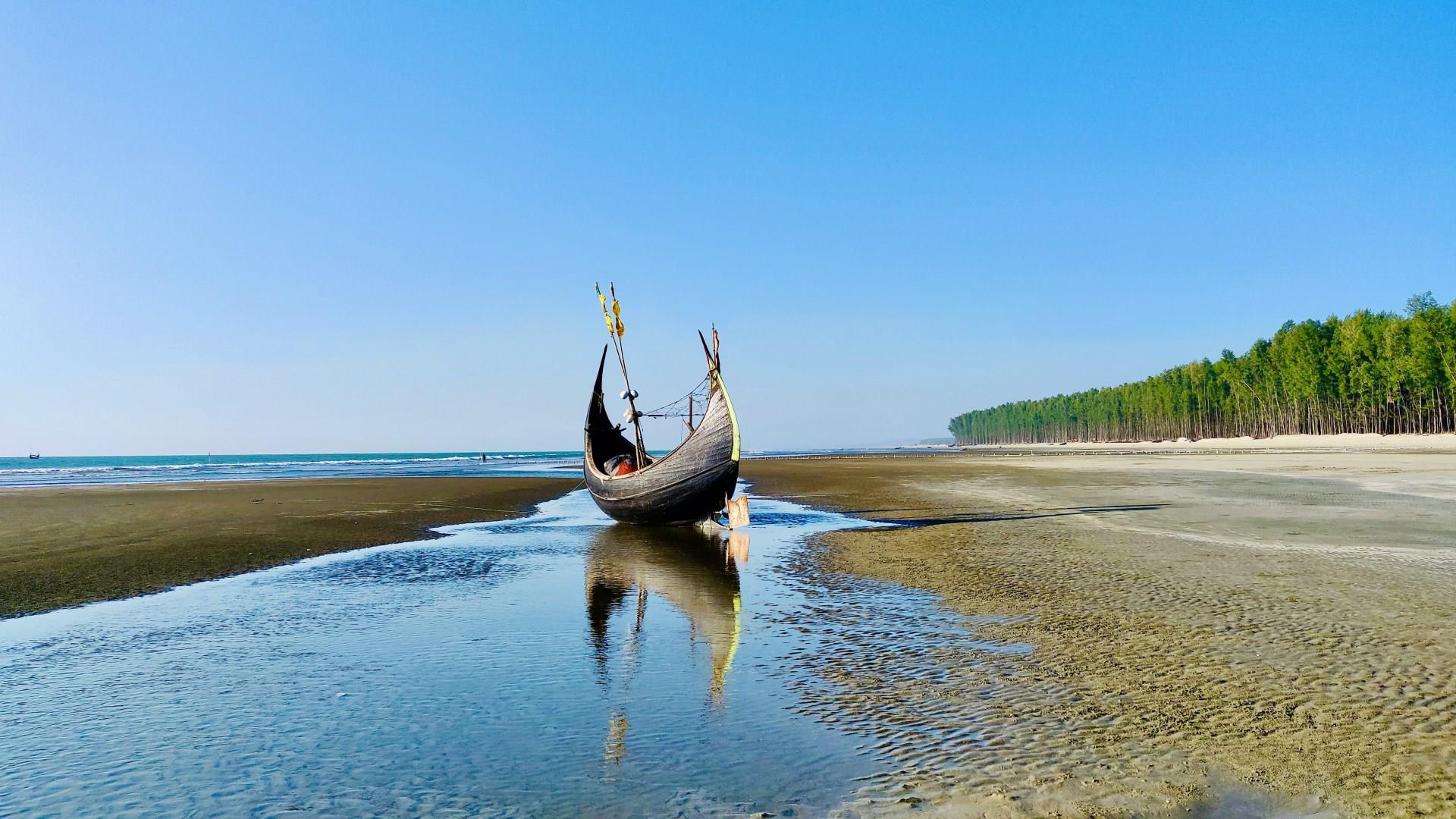
Bangladesh
Bangladesh, set in the heart of South Asia, is known for its lush greenery and waterways. It is often described as the “land of rivers,” with the Ganges, Brahmaputra, and Meghna weaving through its landscapes.
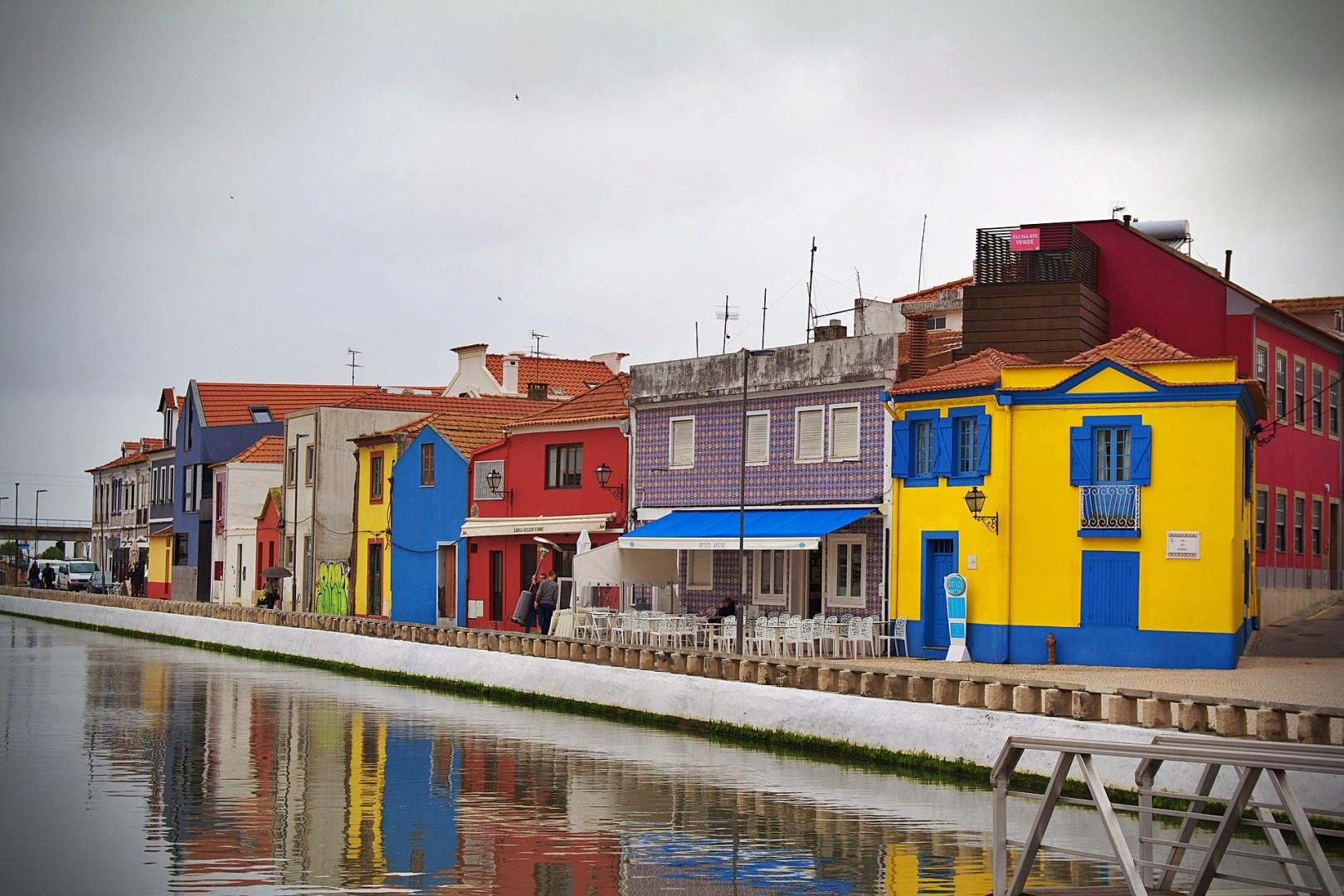
Aveiro
Aveiro, often called the "Venice of Portugal," enchants visitors with its picturesque canals, brightly painted boats called moliceiros, and Art Nouveau architecture. Located on the northern coast of Portugal, Aveiro offers a charming blend of history, culture, and natural beauty. Glide along its tranquil waterways on a moliceiro ride, once used to harvest seaweed but now a peaceful way to admire the city’s colorful façades and iconic architecture. These boats, decorated with vibrant, humorous pa
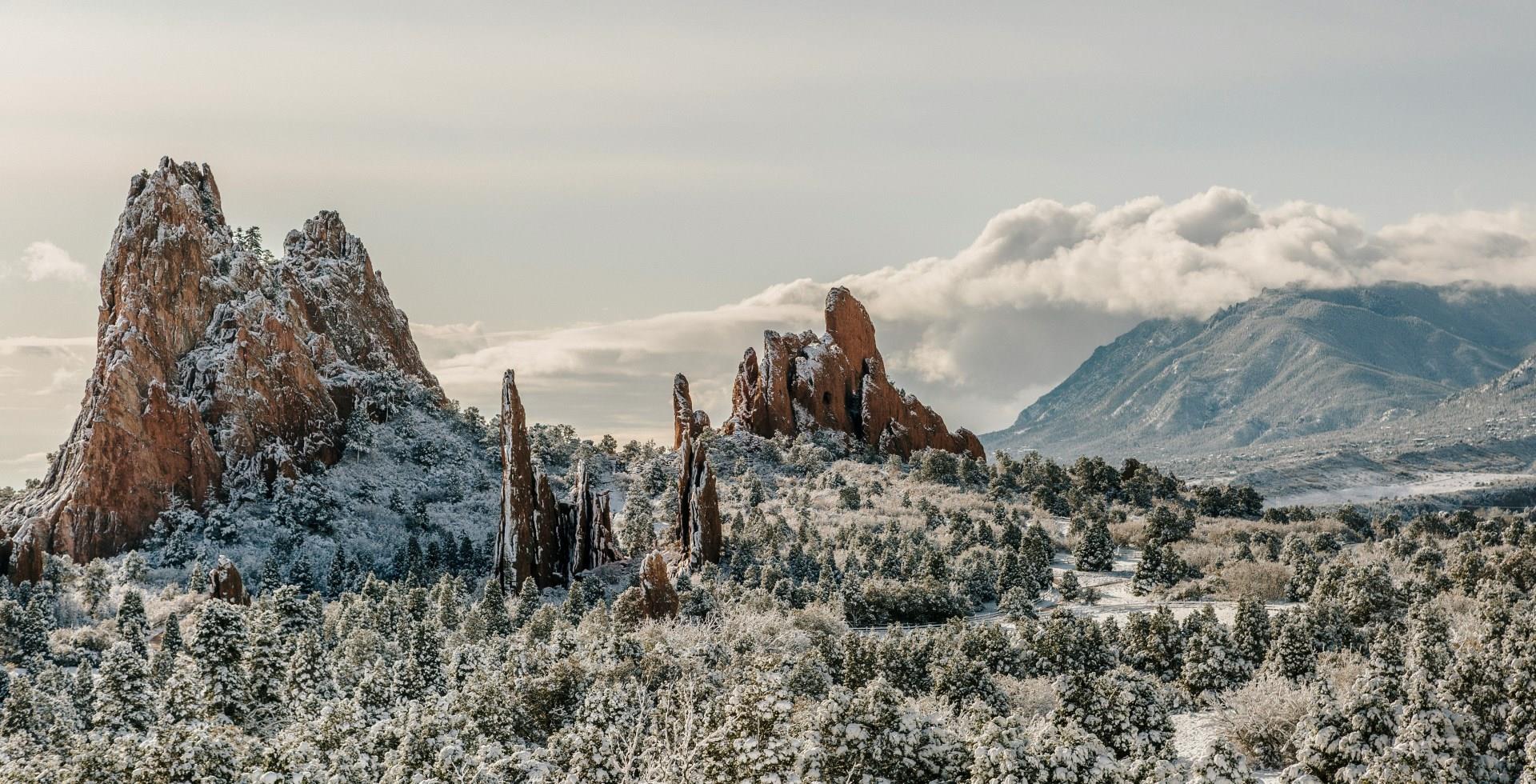
Colorado Springs
Modern-day Colorado Springs is flourishing, as the second largest city in Colorado. Fortunately, the unique features which attracted people long ago still remain. Nature entices with her array of textures and striking colors. People from all over the world visit to appreciate the countless natural and man-made attractions the Pikes Peak region has to offer.

Loyalty Islands
The Loyalty Islands, an enchanting archipelago in New Caledonia, provide an unforgettable escape for travelers looking to experience an unspoiled side of the Pacific.
