

Longyearbyen
Longyearbyen, the northernmost settlement of its size in the world, offers a unique and captivating experience in the Arctic archipelago of Svalbard, Norway. Nestled between icy peaks and sprawling glaciers, this remote town is a gateway to exploring the rugged beauty of the Arctic landscape.

Napier
On the east coast of North Island, Napier is considered the "Art Deco capital" of New Zealand and the gateway to the Hawke's Bay wine region, whose popular varietals include pinot gris and syrah.
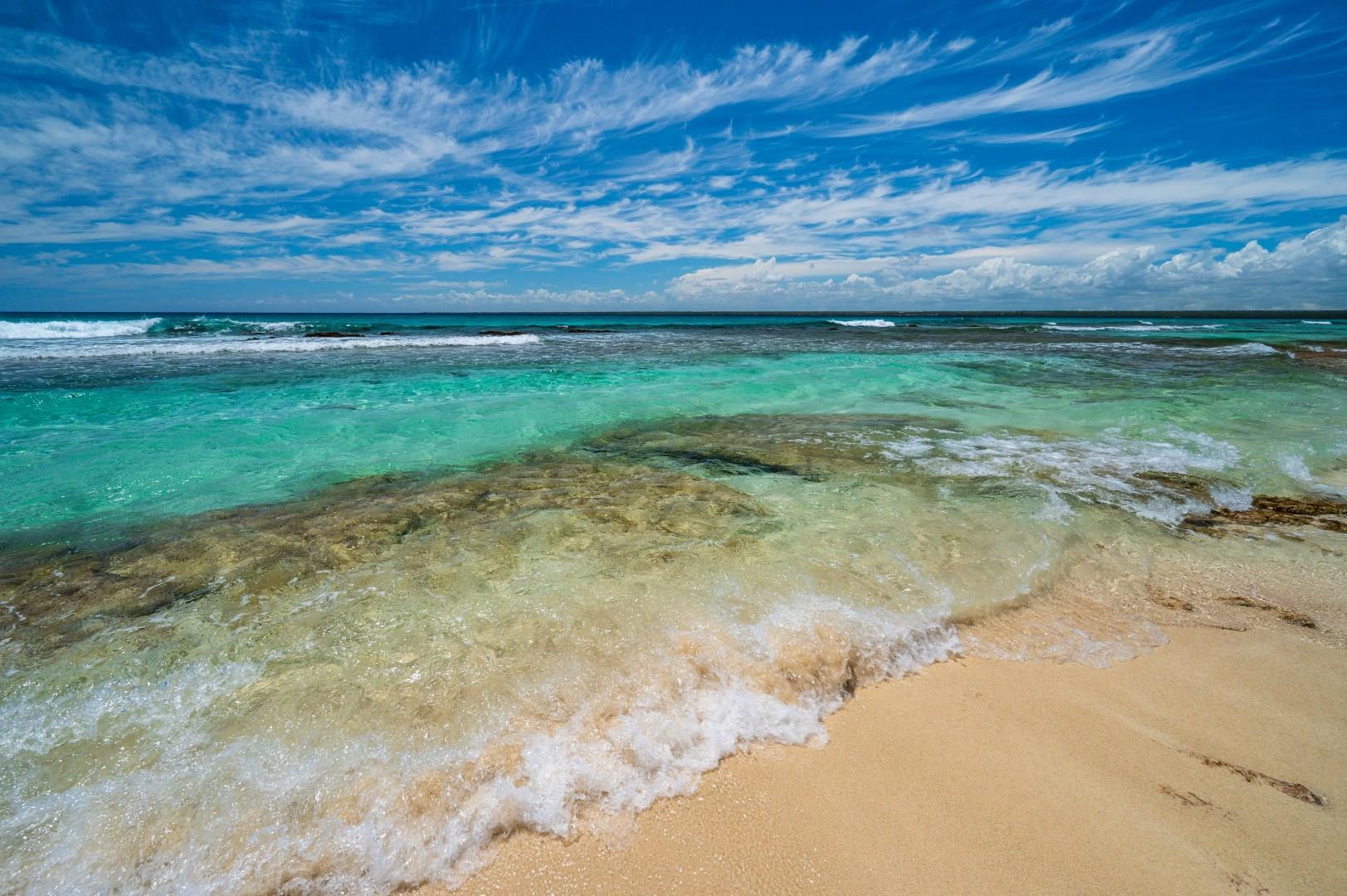
Catalina Island
Catalina Island, located just 1.5 miles off the southeastern coast of the Dominican Republic, is a serene tropical escape known for its pristine beaches and vibrant coral reefs.

Wyoming
From Yellowstone National Park to the towering peaks of the Grand Tetons, Wyoming is home to some of the most dramatic and diverse landscapes in the country.

Penang
A dynamic island escape, Penang, Malaysia, is chock-full of exciting attractions, beautiful beaches, and stunning architecture. Head to the George Town neighborhood, a UNESCO World Heritage Site, to explore the island's best colonial architecture and historical landmarks, including the Penang Town Hall, Fort Cornwallis, and Queen Victoria Memorial Clock Tower.
