

Heraklion
The capital of Crete, Heraklion is a Greek port city and a popular stop on Mediterranean and Greek cruises. The city is an historical marvel, replete with archaeological wonders and remnants of the region's past. Highlights include the Heraklion Archaeological Museum, the Rocca a Mare Fortress, the Venetian Loggia, and just past the city limits, the Palace of Knossos.
Lausanne
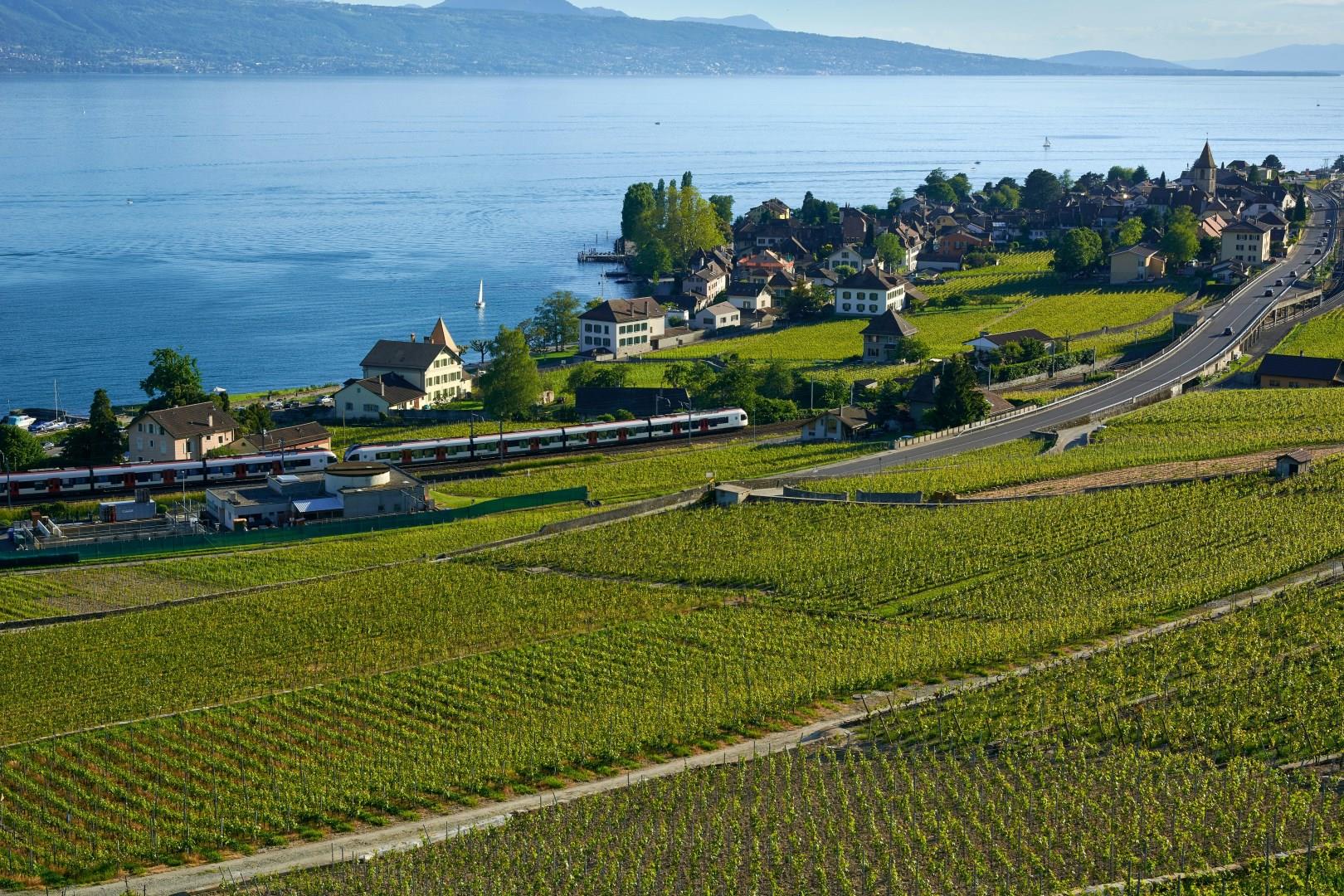
Perched on the northern shore of Lake Geneva, Lausanne is a city that blends centuries of history with a strong cultural identity. It served as a Roman military camp called Lousanna before evolving into a key medieval settlement. Today, visitors can still climb the tower of Lausanne Cathedral, widely regarded as the most impressive Gothic structure in Switzerland. From the top, the view stretches over the rooftops of the Old Town to the vineyards of Lavaux and across the lake to the French Alps.
Loch Lomond
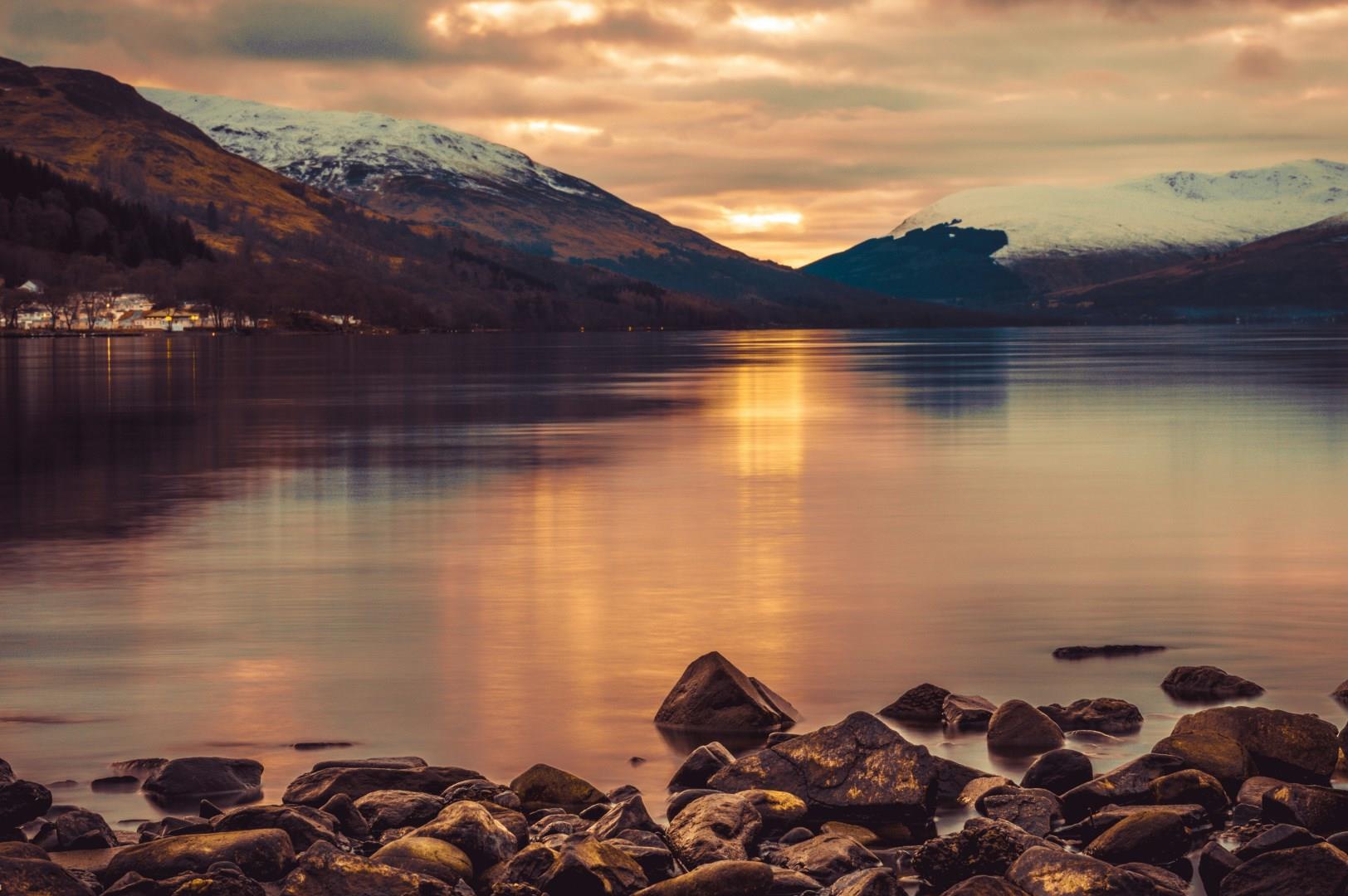
Loch Lomond, the largest lake in Great Britain by surface area, sits at the gateway to the Highlands and offers visitors a wide variety of ways to explore its islands, waters, and surrounding hills. Stretching over 22 miles and dotted with more than 30 islands, the loch has long been a source of inspiration for poets, musicians, and travelers.

Kampong Cham
Kampong Cham, nestled along the banks of the Mekong River, is a captivating destination that offers a blend of cultural heritage and natural beauty. This charming city is renowned for its picturesque landscapes, including the iconic Ko Paen Bamboo Bridge, which is rebuilt annually after the rainy season. Visitors can stroll through streets lined with French-colonial architecture, giving the city a quaint and historic ambiance.

Stykkishólmur
Nestled on the northern coast of Iceland's Snæfellsnes Peninsula, Stykkishólmur is a charming coastal town known for its scenic beauty and maritime heritage. Often referred to as the gateway to the Westfjords, Stykkishólmur is the ideal base for exploring the stunning landscapes of this less-traveled part of Iceland. The town's picturesque harbor, lined with colorful houses and fishing boats, offers a quintessential Icelandic coastal experience.
