
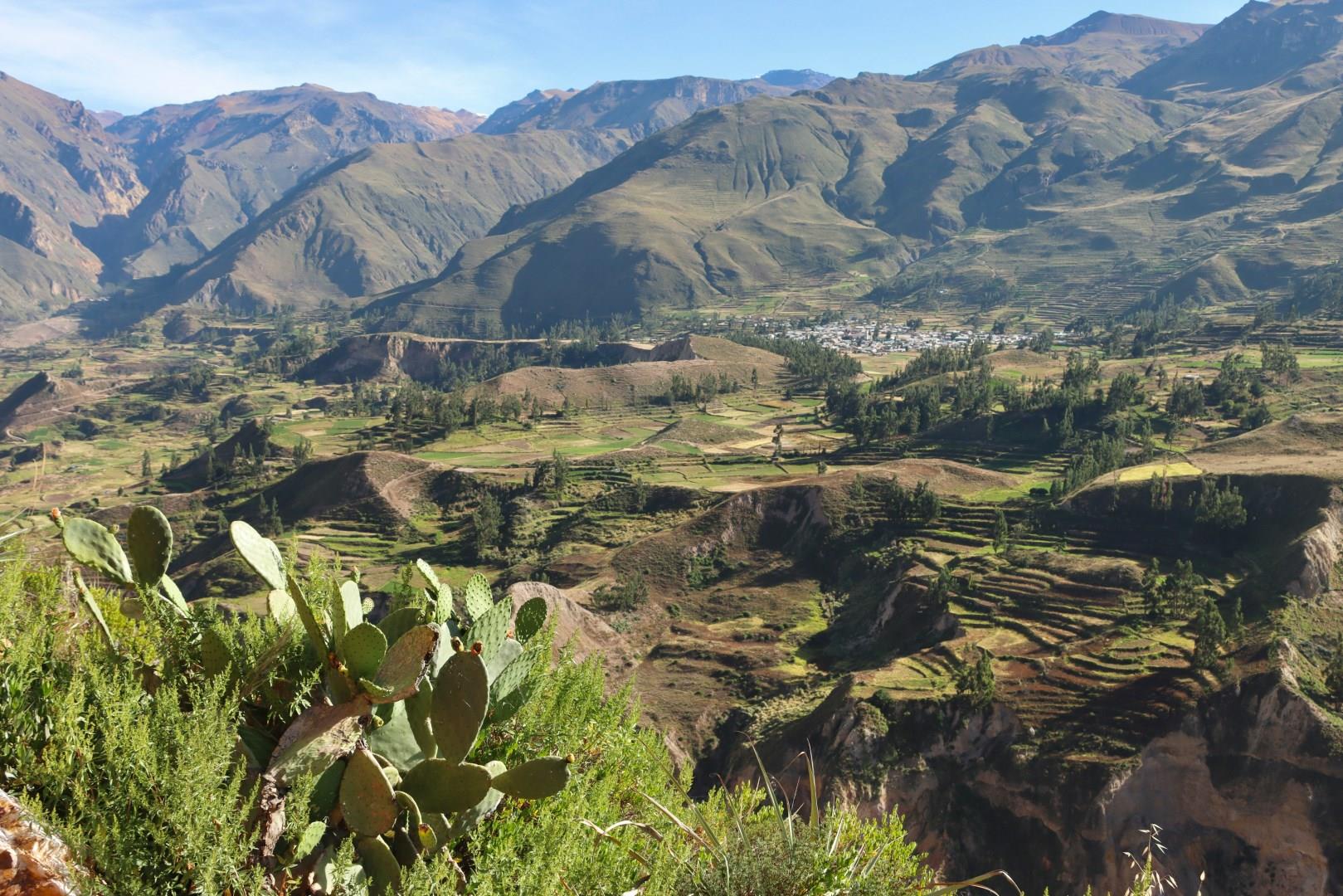
Colca Canyon
Colca Canyon, located in southern Peru’s Arequipa region, is one of the deepest canyons in the world, twice as deep as the Grand Canyon in some areas. What makes it stand out even more is how human settlements have coexisted with the landscape for centuries. Along its walls, pre-Inca agricultural terraces still hold crops like corn and quinoa. One of the main draws of the canyon is the opportunity to see Andean condors in flight.

Plitvice Lakes
Plitvice Lakes National Park, a UNESCO World Heritage Site since 1979, is one of Croatia’s most captivating natural wonders. Located in the heart of the country, this mesmerizing park is renowned for its cascading lakes, lush greenery, and a network of waterfalls that create an enchanting landscape. The park’s 16 terraced lakes, connected by a series of waterfalls, range in color from emerald green to sapphire blue due to the unique mineral content and the reflection of sunlight. Visitors can ex
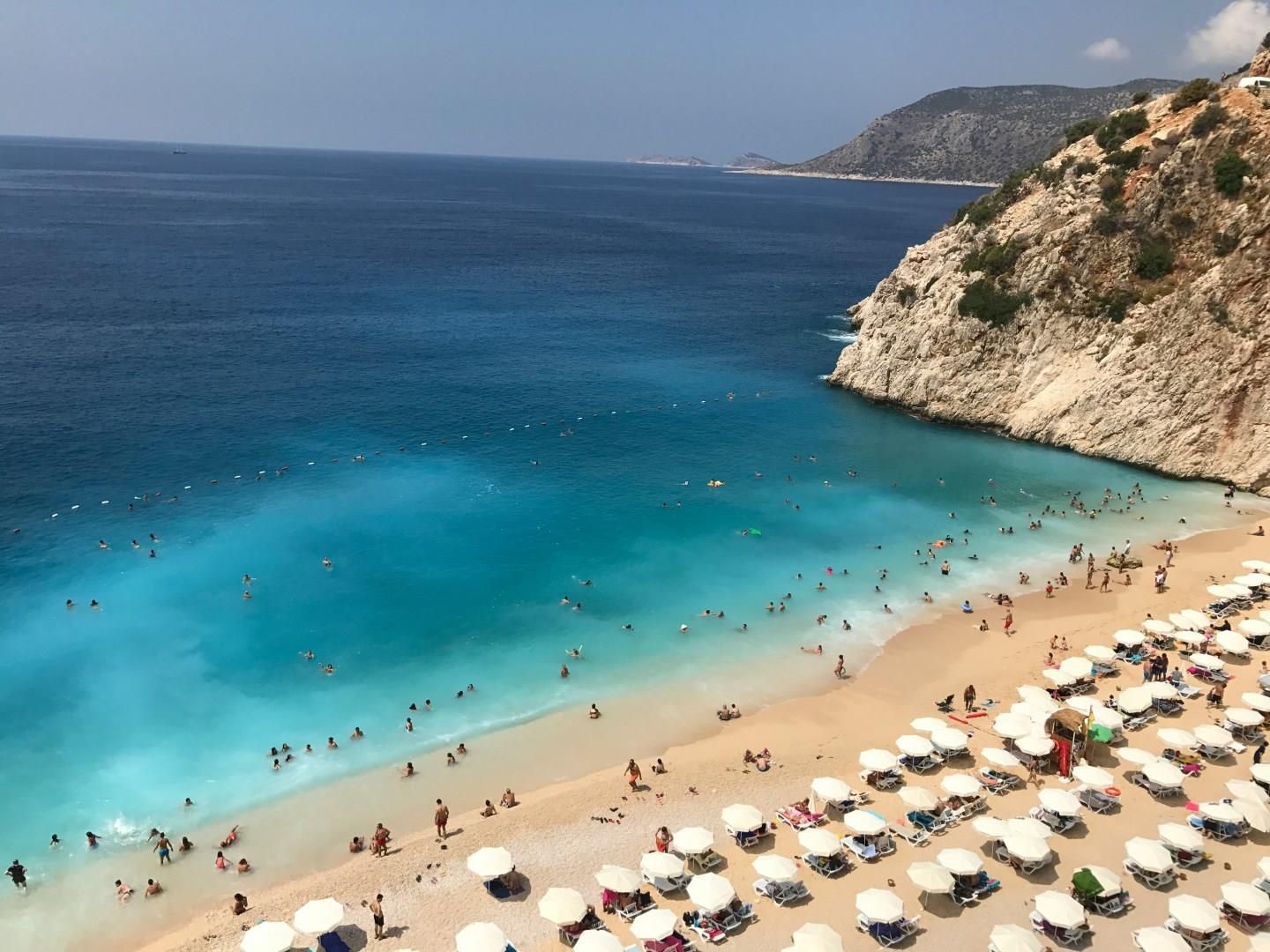
Kas
Kas, a small coastal town on Turkey’s Turquoise Coast, is known for its charming mix of history, Mediterranean scenery, and laid-back atmosphere.

Cook Islands
The Cook Islands, a group of 15 islands scattered across the South Pacific, offer a rare blend of Polynesian tradition and laid-back island charm. Rarotonga, the largest and most visited island, is ringed by a turquoise lagoon and backed by lush mountains. Visitors can circle the entire island in under an hour, stopping along the way for fresh coconut, beachside cafés, or a quick swim in the clear lagoon.
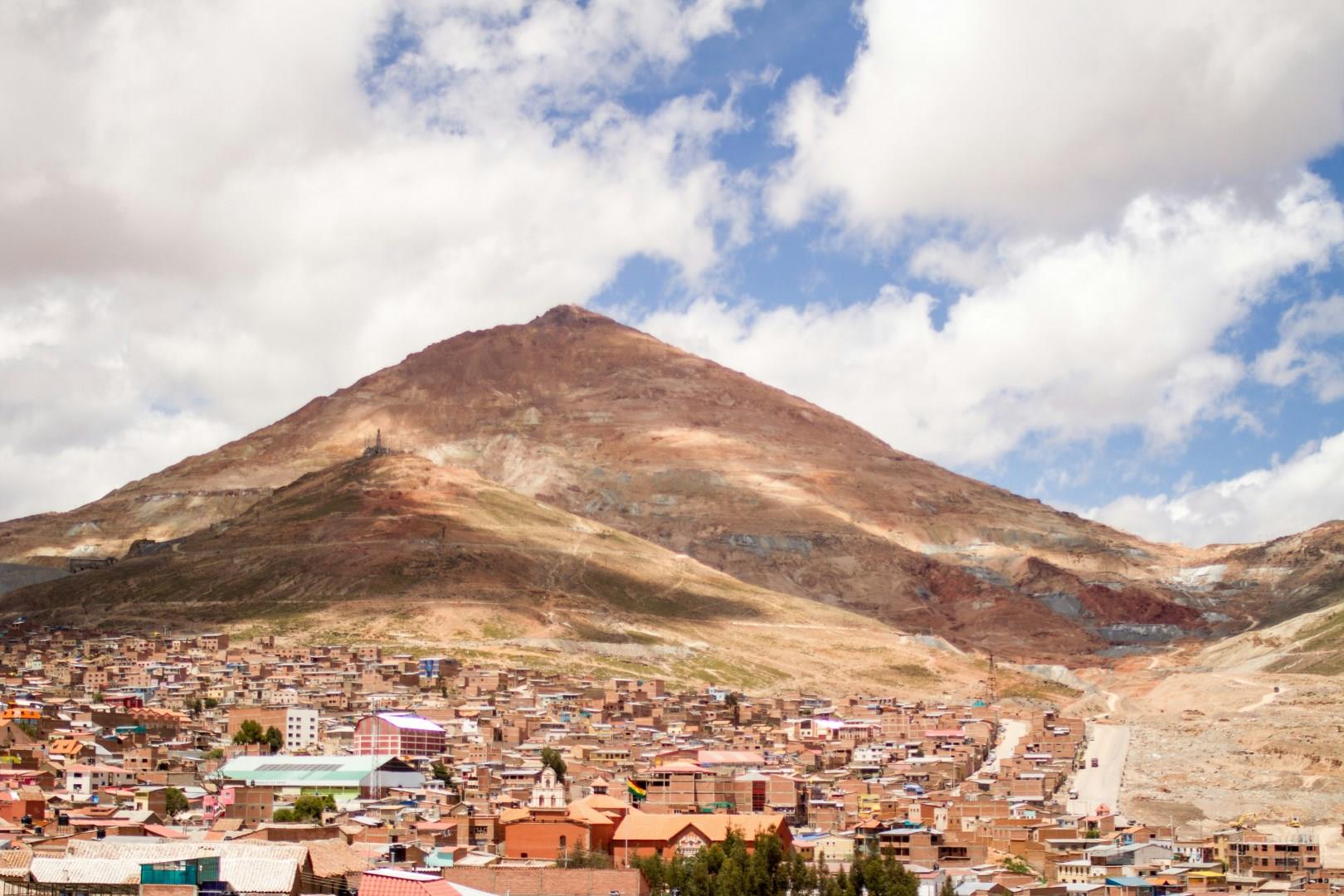
Potosi
Potosí rises on the Altiplano of southern Bolivia and for centuries it was one of the richest cities in the world because of what lies just beyond its streets. At the foot of Cerro Rico (“Rich Mountain”), silver was discovered in the mid-1500s, and within a few decades the city became a center of mining and wealth that shaped global trade and economies.
