
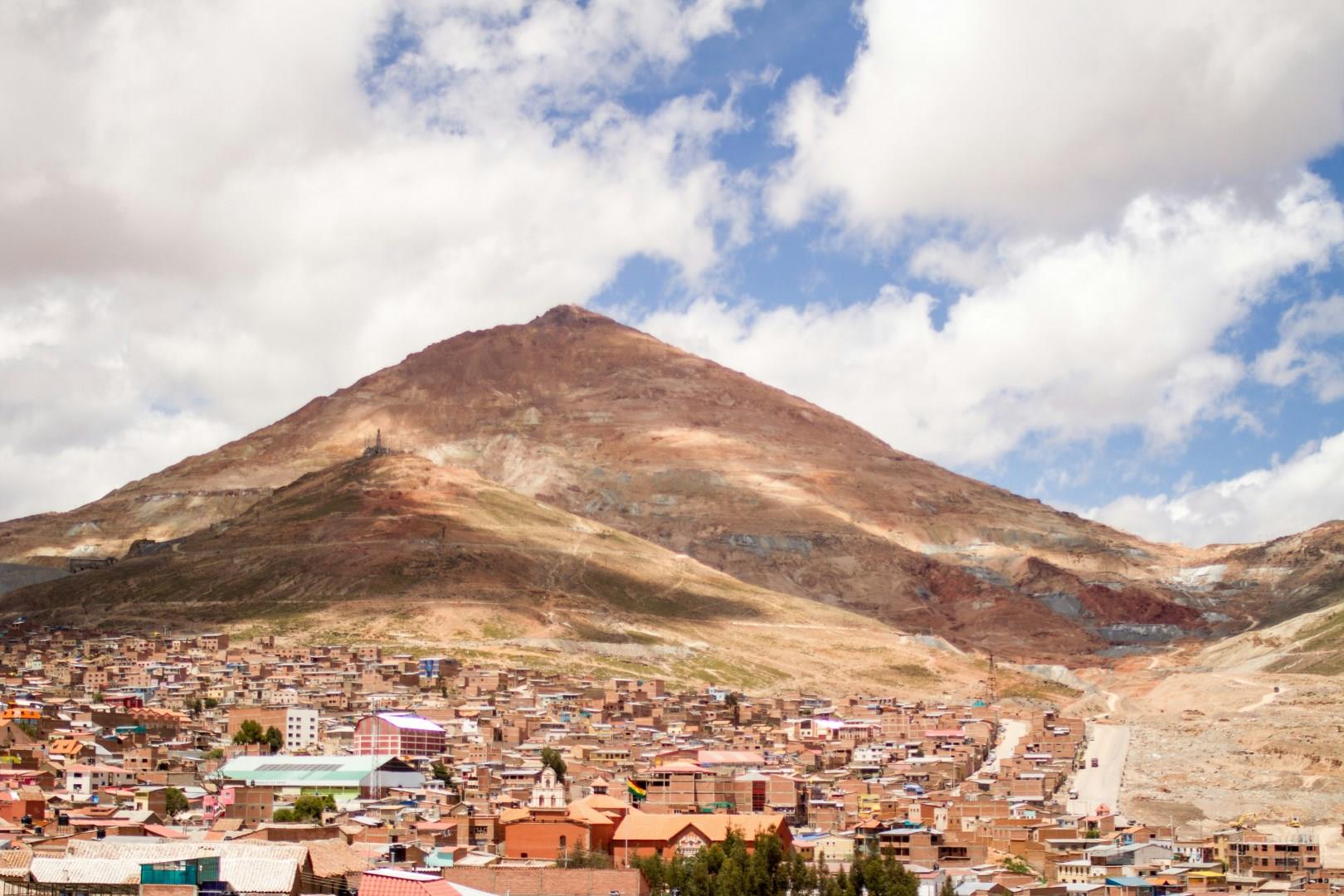
Potosi
Potosí rises on the Altiplano of southern Bolivia and for centuries it was one of the richest cities in the world because of what lies just beyond its streets. At the foot of Cerro Rico (“Rich Mountain”), silver was discovered in the mid-1500s, and within a few decades the city became a center of mining and wealth that shaped global trade and economies.
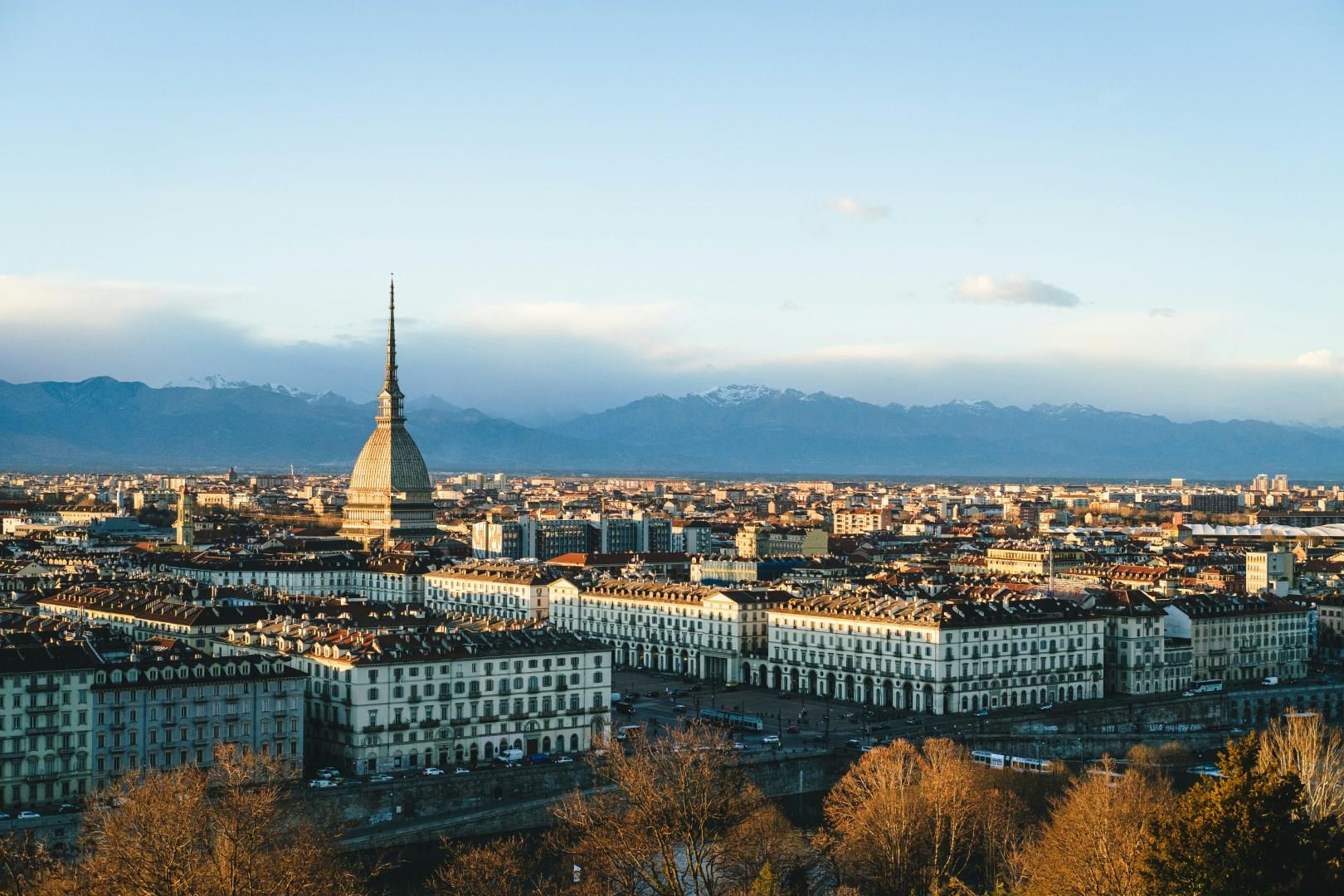
Turin
Turin carries a regal atmosphere reflected in its palaces, wide boulevards, and arcaded streets. Its history as a political and cultural powerhouse is still evident today, while its role as the birthplace of Fiat underscores its influence on modern industry.
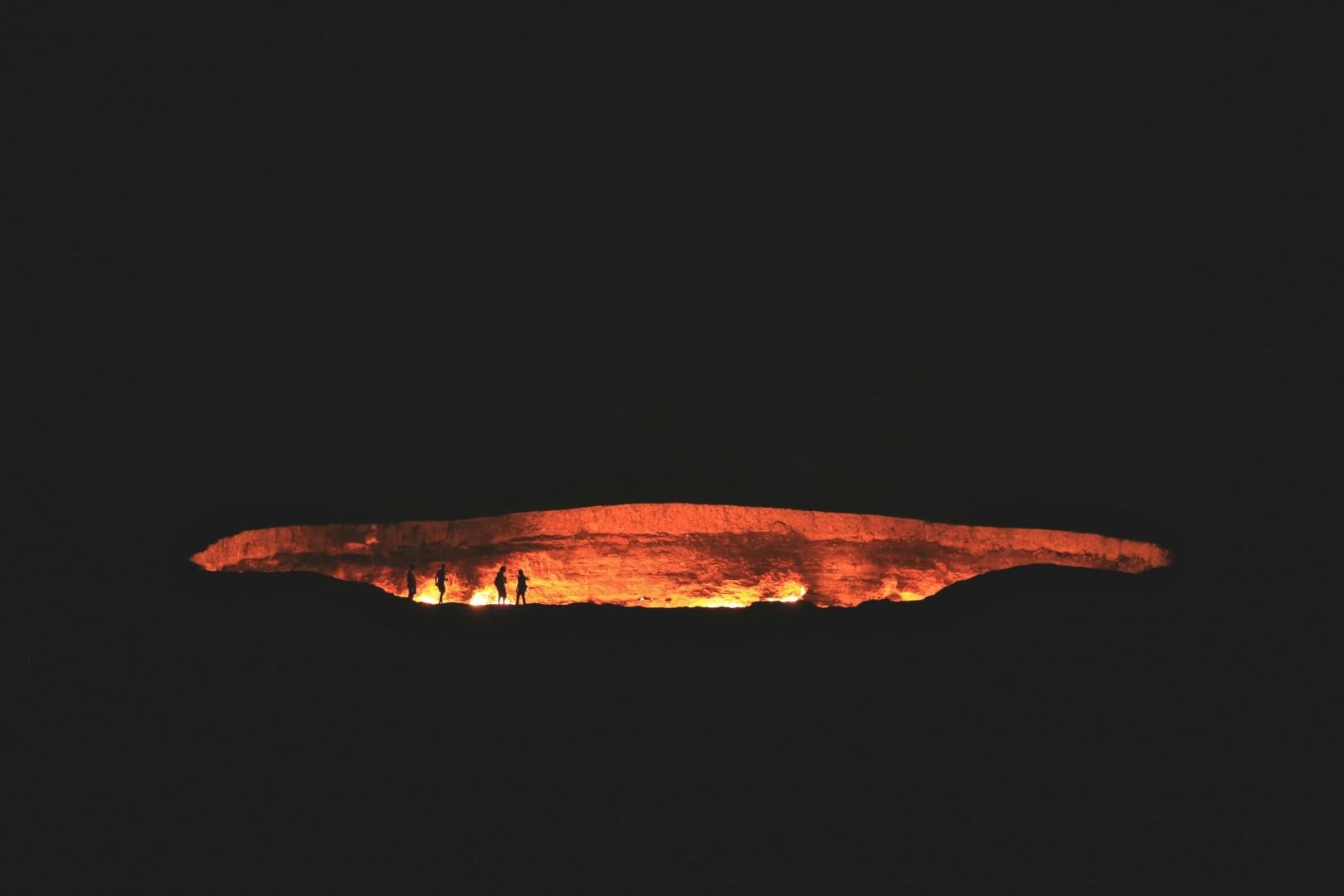
Darvaza
The Darvaza Gas Crater, famously nicknamed the “Door to Hell,” is one of Turkmenistan’s most extraordinary landmarks. Located deep in the Karakum Desert, this fiery pit has been burning continuously since the early 1970s, when Soviet engineers reportedly set fire to a collapsed natural gas field to prevent the spread of methane.

Garden of the Gods
Garden of the Gods, located in Colorado Springs, is a breathtaking natural wonder renowned for its stunning red rock formations and striking geological features. This public park is famous for its towering sandstone spires, some reaching heights of over 300 feet, which create a dramatic contrast against the backdrop of the snow-capped Pikes Peak.

Paro
Paro, Bhutan, is a serene valley town that offers a gateway to the mystical charm of the Land of the Thunder Dragon. Nestled amidst verdant hills and bisected by the glistening Paro Chhu river, Paro is home to some of Bhutan’s most iconic landmarks and cultural treasures. At the heart of this picturesque valley stands the majestic Paro Dzong, or Rinpung Dzong, a fortress-monastery with a history dating back to the 17th century.
