
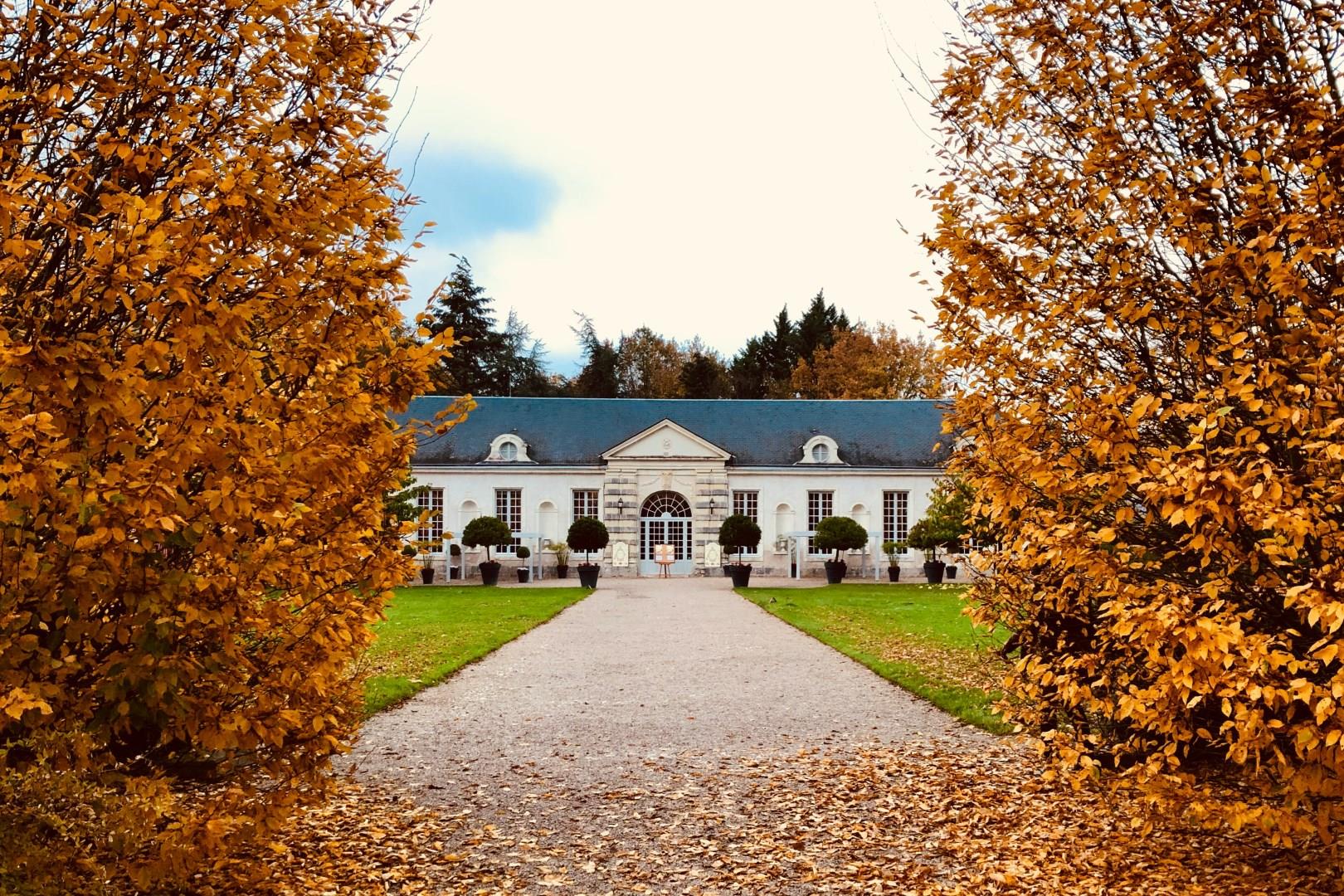
Loire Valley
The Loire Valley stretches along the gentle curves of France’s longest river, a place where riverside towns, historic estates and vineyards have shaped daily life for centuries. This long stretch of landscape was recognized as a UNESCO World Heritage Site because of its remarkable cultural landscape, which includes towns like Tours, Blois, Amboise and Saumur and a tapestry of castles standing beside the river banks.

Newport
About halfway down the Oregon coast, the picturesque Yaquina Head Lighthouse welcomes you to Newport, a town known for its Dungeness crab and glorious harbor under the graceful Yaquina Bay Bridge. The historic Bayfront offers a mixture of shops, galleries, canneries and restaurants that serve fresh clam chowder, shrimp, oysters, crab and salmon.
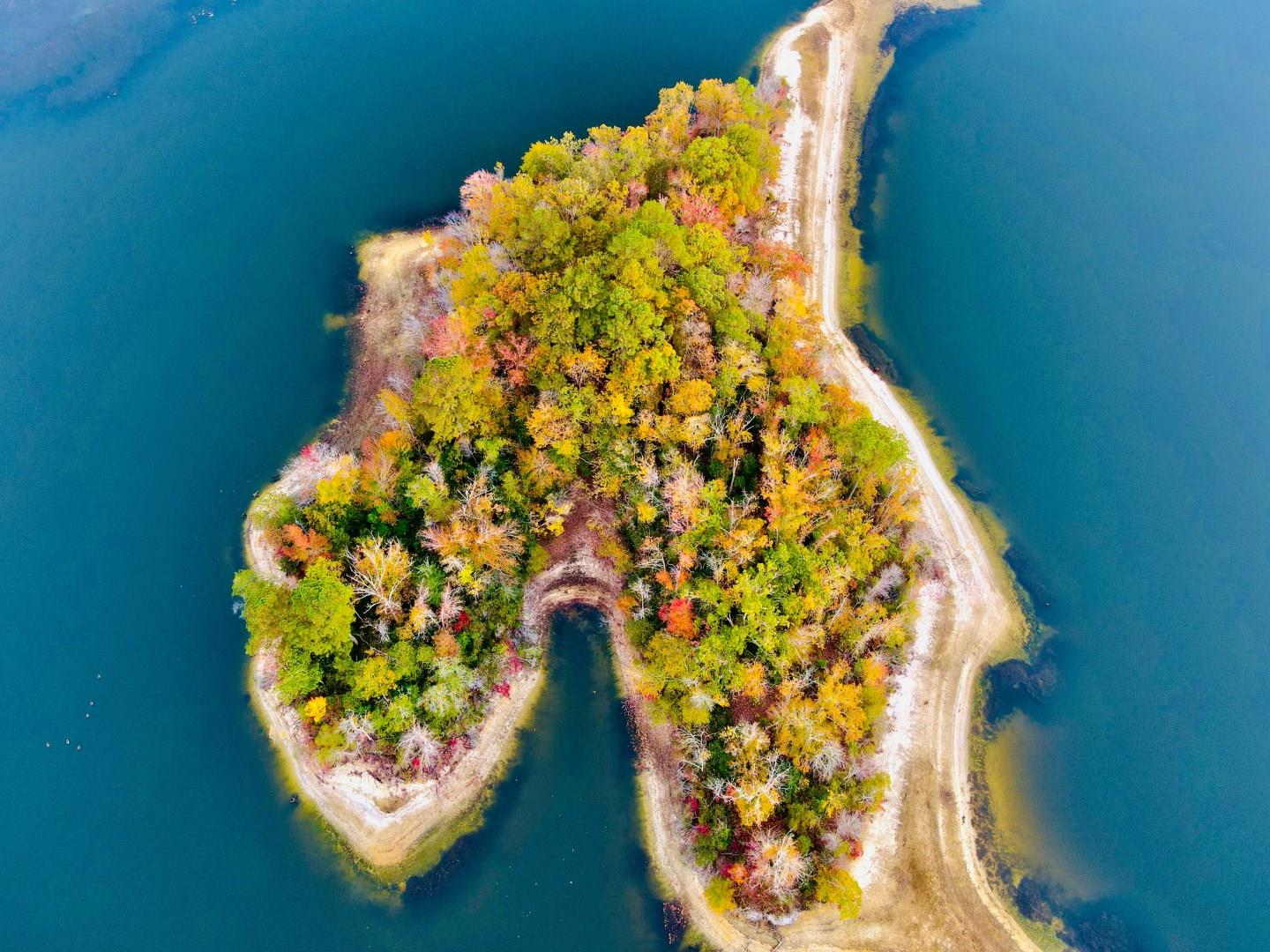
Williamsburg
Williamsburg, Virginia offers visitors the unusual opportunity to walk through a fully reconstructed 18th-century city. As the capital of the Virginia Colony from 1699 to 1780, Williamsburg played a key role in early American politics and daily life. Today, Colonial Williamsburg spans over 300 acres and includes historic buildings, working tradespeople, and costumed interpreters who bring the Revolutionary era to life.
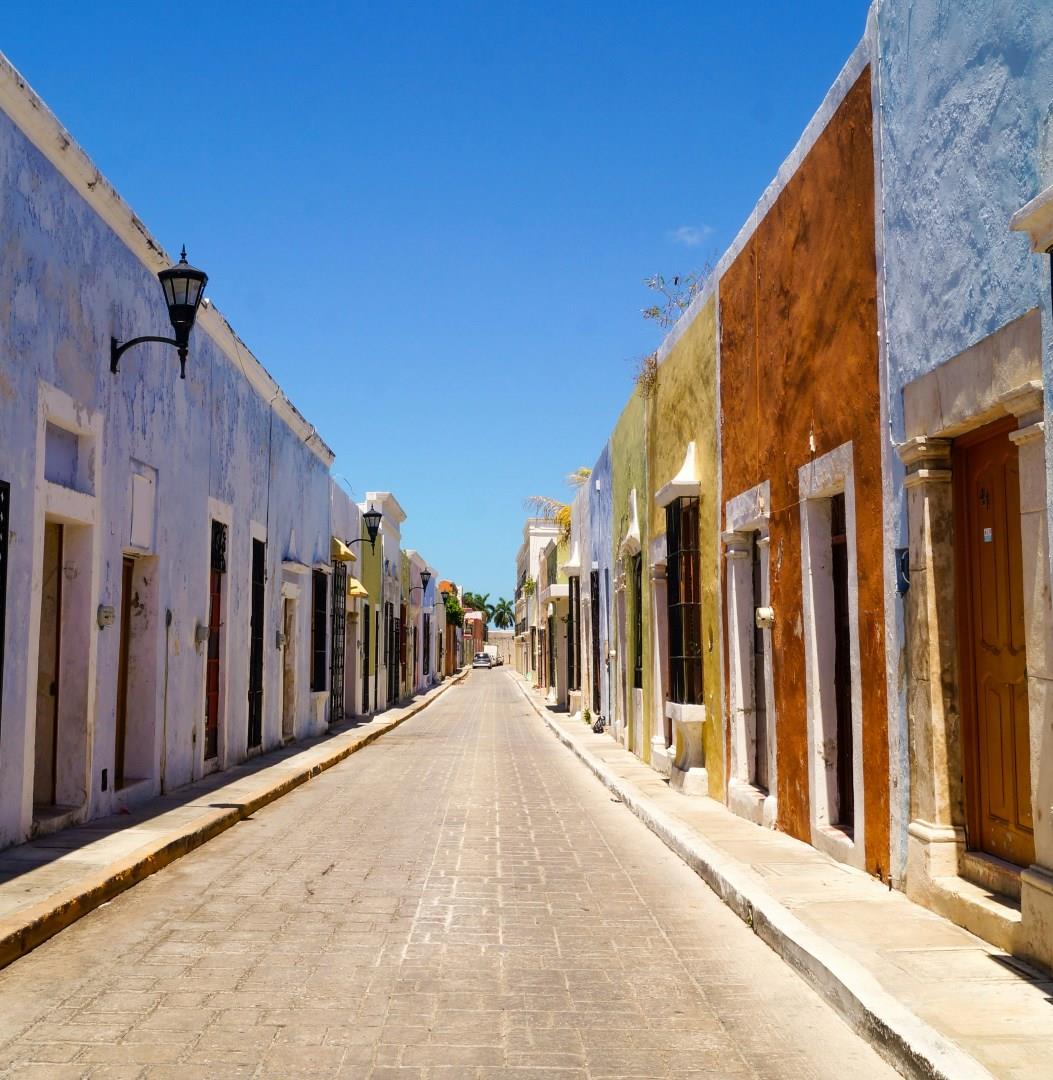
Campeche
The state of Campeche, located on the western edge of the Yucatán Peninsula, is a hidden gem waiting to be discovered by adventurous travelers. Rich in history, culture, and natural beauty, Campeche offers a unique blend of colonial charm and ancient Maya heritage. The state capital, also named Campeche, is a UNESCO World Heritage Site, renowned for its well-preserved Baroque architecture and colorful, pastel-hued buildings.

Prague
The dazzling capital of the Czech Republic, the explorable Prague has fittingly been nicknamed "the City of a Hundred Spires." Halved by the Vltava River and notable for architecture Baroque, Renaissance, and Gothic, visitors will find much to take in here.
