
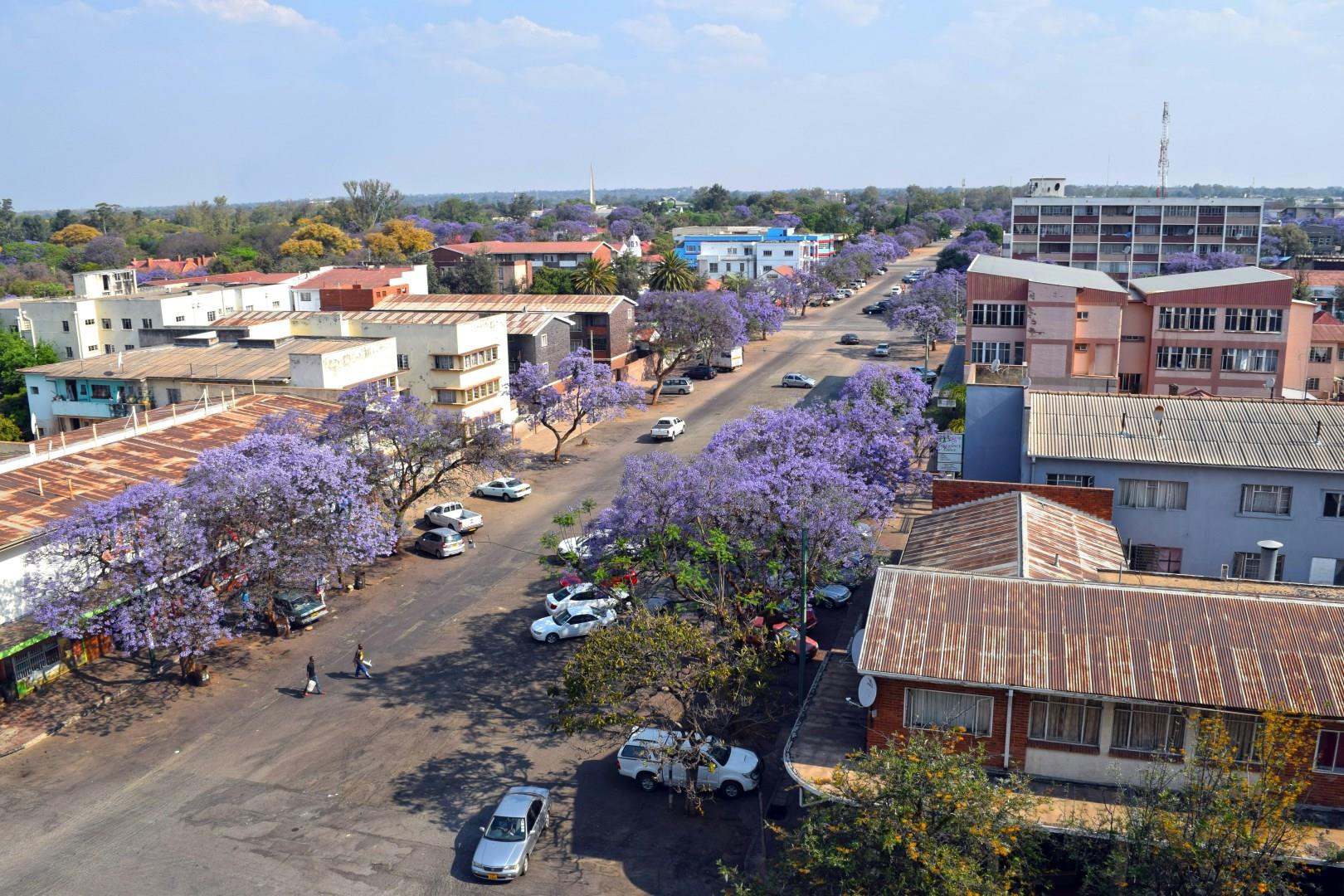
Bulawayo
Bulawayo is Zimbabwe’s second-largest city and a place where industrial heritage and deep cultural roots intersect. Founded near the former capital of the Ndebele kingdom, the city carries strong historical significance tied to King Lobengula and the resistance to colonial expansion.

Cannes
Situated beautifully on the French Riviera, Cannes is a commune amid the Alpes-Maritimes department. It famously plays host to the annual Cannes Film Festival, among other lavish events.
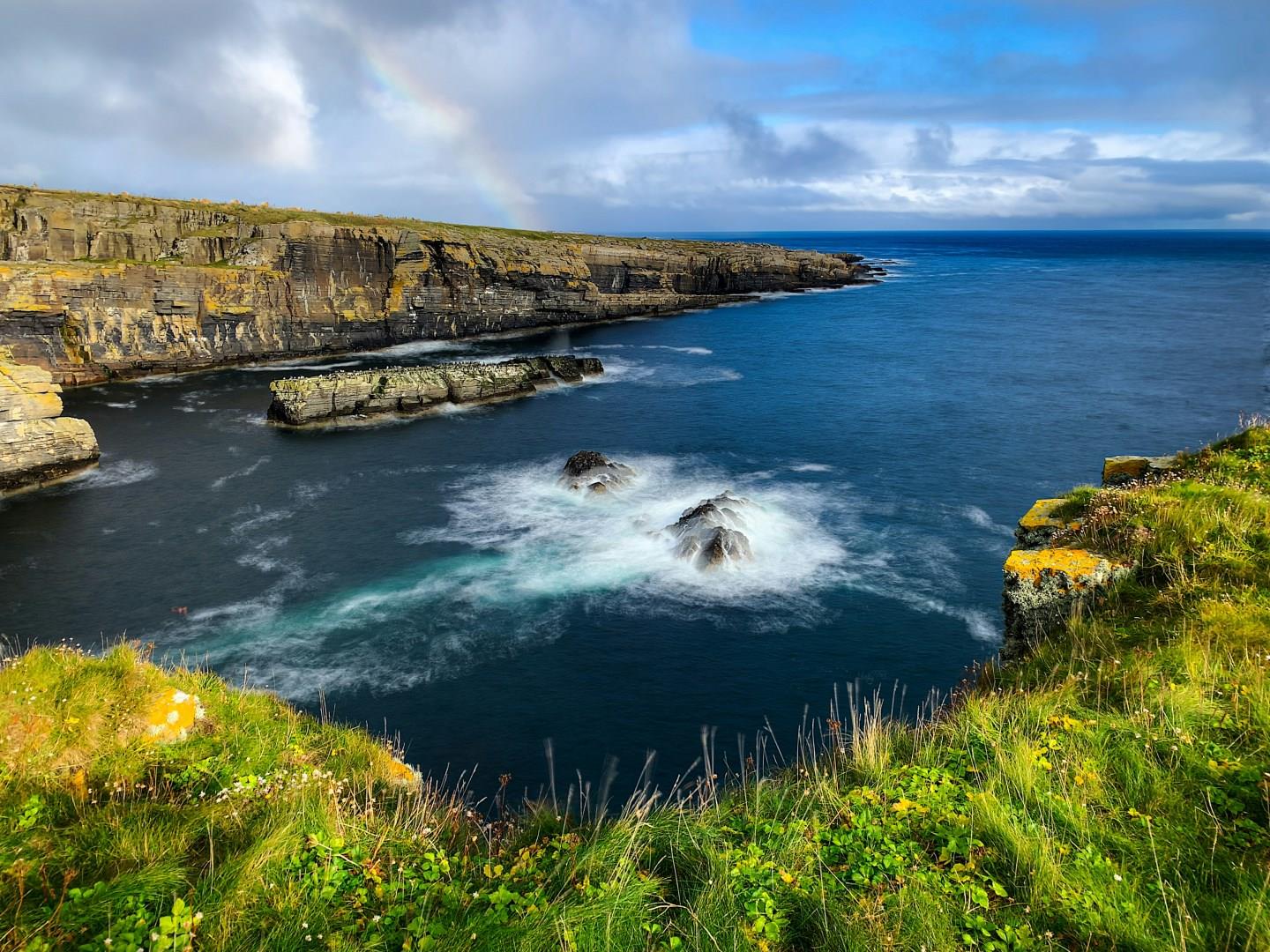
Wick
Wick’s location at the mouth of the River Wick provides a dramatic coastal setting, with cliffs, sandy beaches, and the North Sea stretching into the horizon.

Basseterre
Nestled under the imposing view of volcanic Mount Liamuiga, charming Basseterre is the best place to begin your next Caribbean adventure to St. Kitts. From the island’s untouched natural beauty, best seen by boarding the famous St. Kitts Scenic Railway, to the glittering beaches of Frigate Bay, perfect for snorkeling and jet skiing, there are plenty of excursions guaranteed to thrill you in Basseterre. Be sure to stop by the city center to visit Independence Square or venture thirty minutes outs
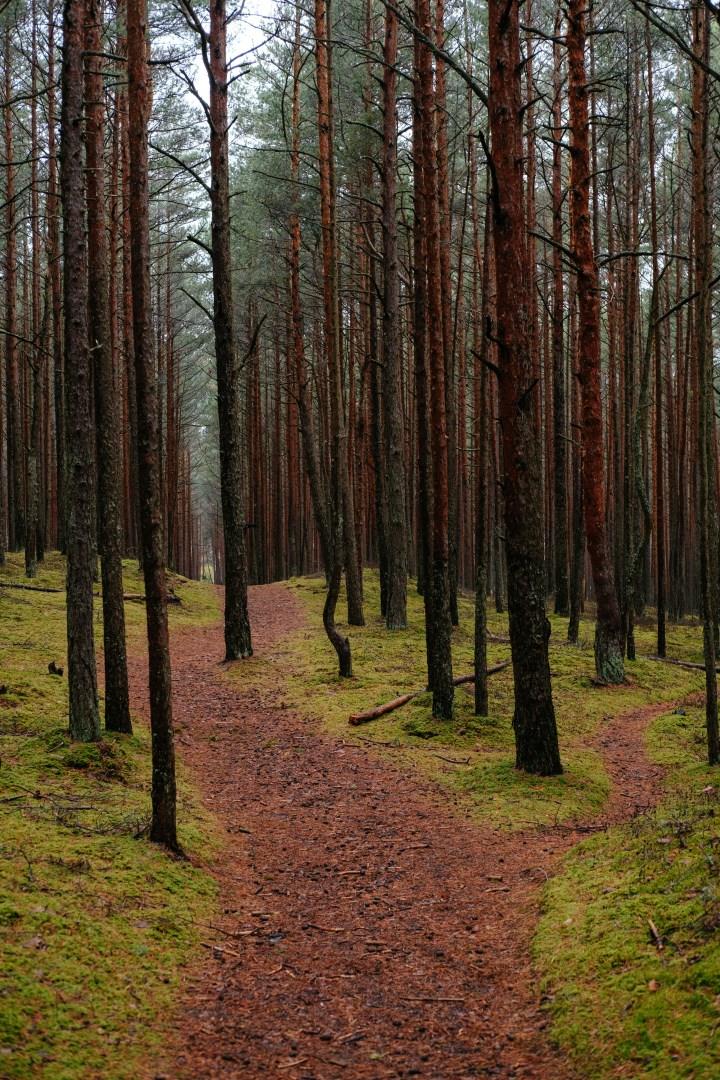
Jurmala
Jūrmala, Latvia’s famed seaside resort, stretches along 33 kilometers of white sandy beaches kissed by the Baltic Sea. Its wooden architecture, featuring colorful villas from the early 20th century, tells the story of its history as a retreat for the well-to-do during the Russian Empire. Visitors strolling the Jomas Street promenade will find a lively atmosphere filled with cafes, boutiques, and galleries, alongside peaceful spots where the sea breeze encourages relaxation.
