

Spain
Spain offers a wide range of experiences shaped by centuries of layered history and regional diversity. From the Moorish palaces of Andalusia to the Roman aqueduct in Segovia and the Gaudí-designed landmarks of Barcelona, each city reflects a different chapter in Spain’s past. In Granada, the Alhambra still stands as a masterpiece of Islamic architecture, with detailed carvings, hidden courtyards, and panoramic views of the Sierra Nevada mountains.

Longyearbyen
Longyearbyen, the northernmost settlement of its size in the world, offers a unique and captivating experience in the Arctic archipelago of Svalbard, Norway. Nestled between icy peaks and sprawling glaciers, this remote town is a gateway to exploring the rugged beauty of the Arctic landscape.
Lillehammer
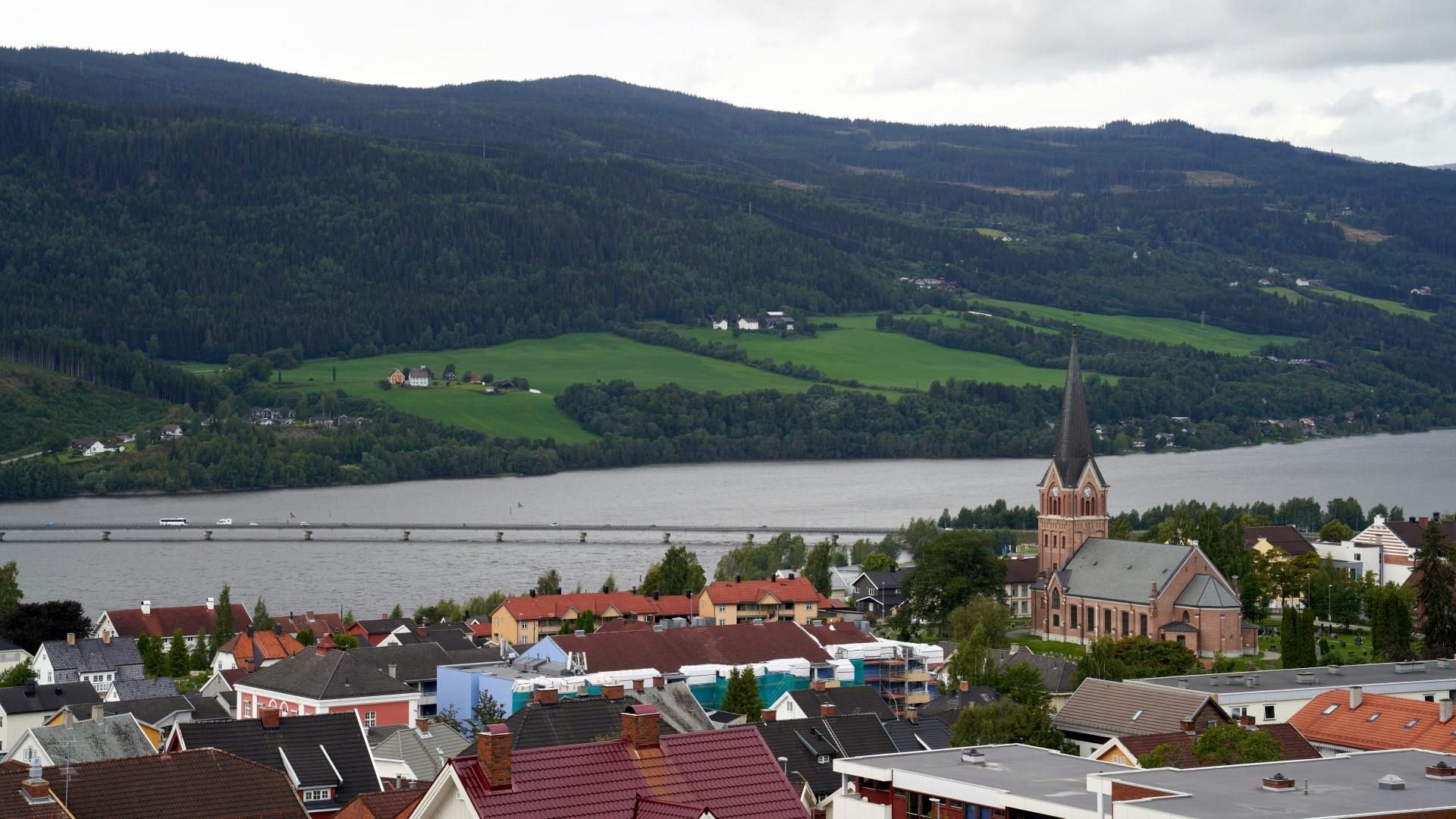
Lillehammer, nestled along the northern shores of Norway’s Lake Mjøsa and framed by pine-covered hills, is a town that blends natural beauty with cultural richness. Famous for hosting the 1994 Winter Olympics, Lillehammer has leveraged its global spotlight to cultivate attractions that celebrate both its sporting legacy and artistic heritage.

Swakopmund
Swakopmund, on Namibia’s Atlantic coast, is a town where desert meets ocean in striking contrast. Founded by German colonists in the late 19th century, its streets are lined with colonial-era buildings painted in pastel colors, giving the town a distinctly European feel.
Marbella
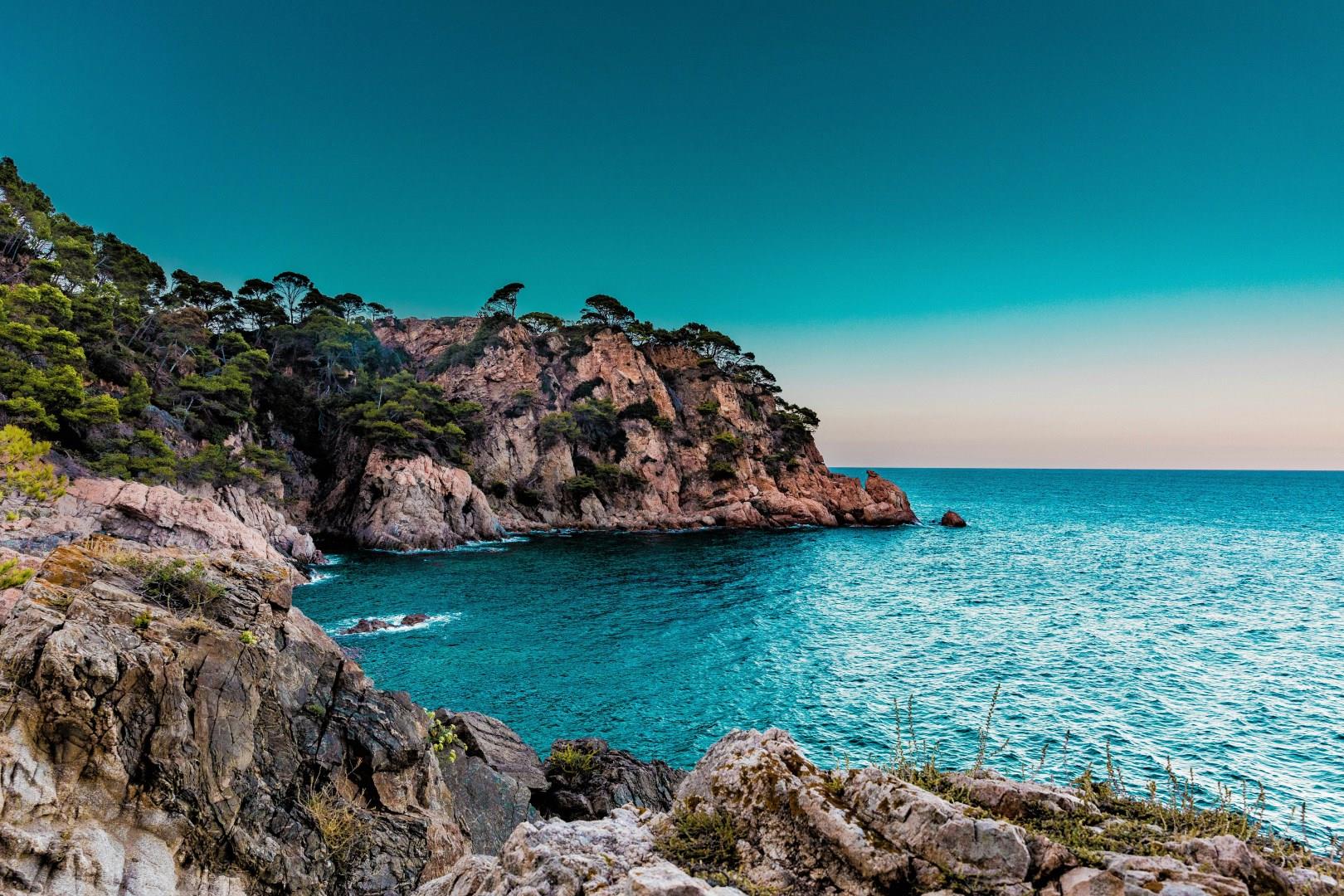
Marbella, located between the Mediterranean Sea and the Sierra Blanca mountains, is often associated with its luxury resorts and famous marina, Puerto Banús. But beyond the polished storefronts and designer yachts, the city has a layered past. Its old town, known as Casco Antiguo, is a well-preserved network of narrow streets built during Moorish rule, with whitewashed buildings, flower-filled balconies, and hidden plazas like Plaza de los Naranjos, which dates back to the 15th century.
