

Veere
Once a big, bustling sea port for the Scottish wool trade and known as Kampvere, Veere is now a small village whose economy mainly relies on tourism. A major point of interest for visitors is the Campveerse Toren (Campvere Tower), built as part of the city defenses around 1500 and now serving as one of the oldest inns in the Netherlands

Zermatt
Among the stunningly snow-capped Swiss Alps, Zermatt is a charming ski resort town in Switzerland. Situated near the iconic Matterhorn peak, Zermat is the perfect destination for skiing, snowboarding, and hiking.

Saint-Tropez
Saint-Tropez, located on the glamorous French Riviera, epitomizes luxury and allure. Once a quaint fishing village, this iconic destination has evolved into a playground for celebrities and discerning travelers. Visitors are greeted by the picturesque Old Port, lined with elegant yachts and vibrant cafés where you can savor the Mediterranean ambiance. The colorful façades and narrow streets of the old town offer a charming backdrop for leisurely strolls and lively markets.

Porto
Porto is a spectacular and inviting city, and one of Western Europe's rising travel destinations. History, nightlife, attractions and excellent tourist accommodations distinguish this coastal city.
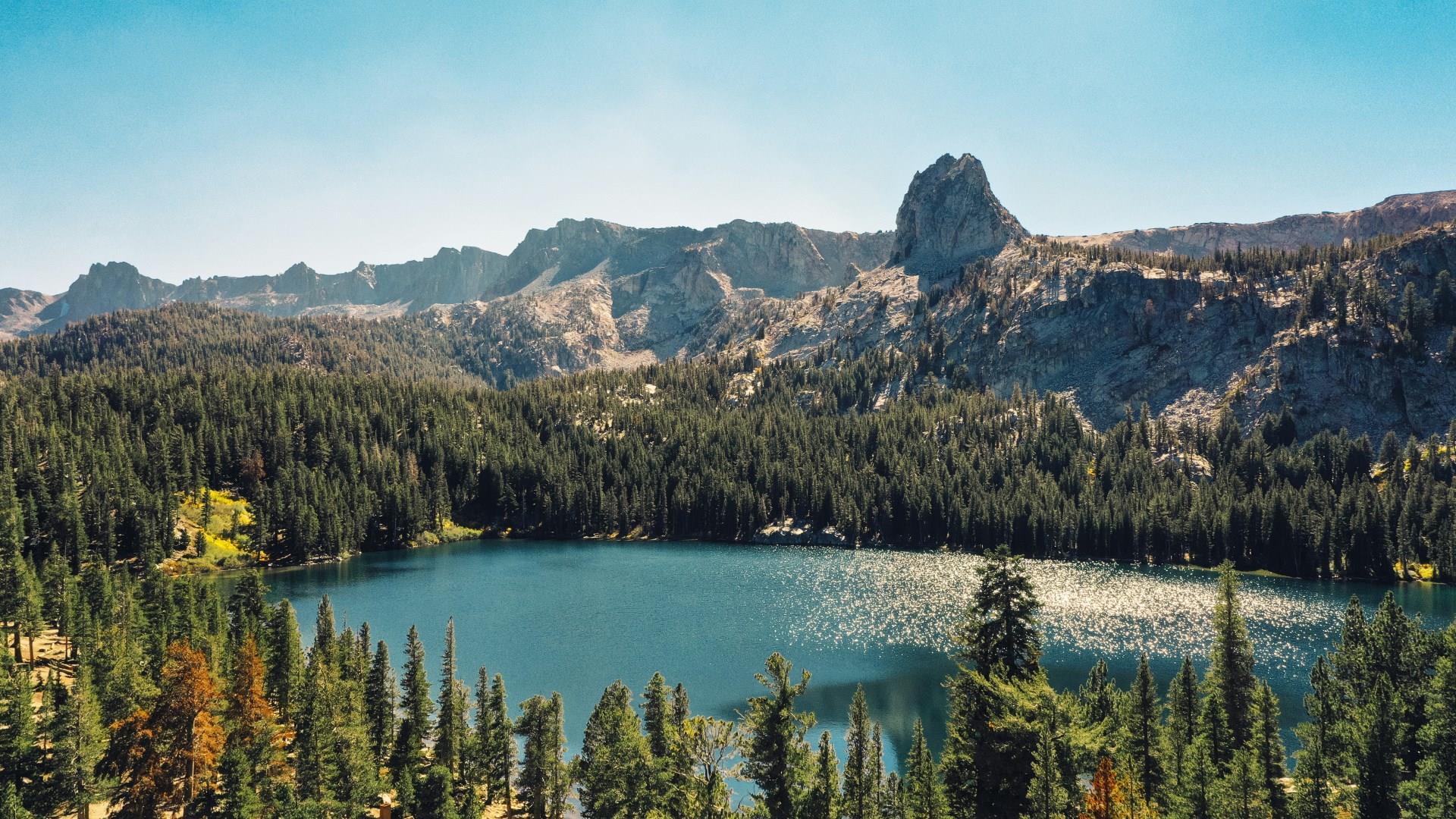
Mammoth Lakes
Mammoth Lakes, tucked into California’s Sierra Nevada mountains, is a year-round destination that combines alpine scenery with outdoor adventure. Known for its crisp mountain air and dramatic landscapes, the town sits near the eastern entrance to Yosemite National Park, making it an ideal base for exploring the region.
