
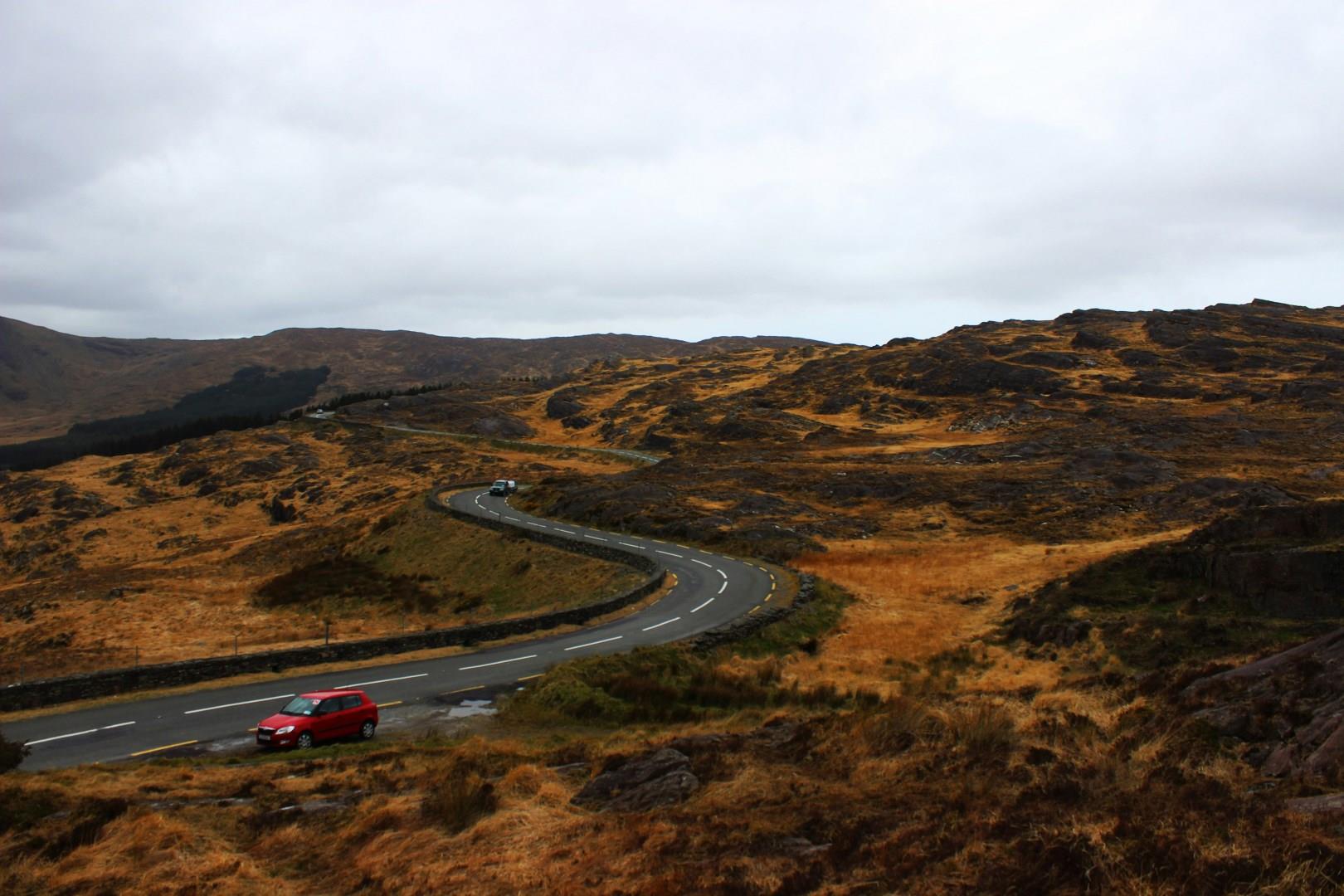
Kenmare
Kenmare, tucked in Ireland’s southwest, is a town that blends natural splendor with small-town warmth. Founded in the 17th century as part of a planned settlement, it has grown into a vibrant community known for its colorful streets, artisan shops, and lively pubs where traditional Irish music fills the air.
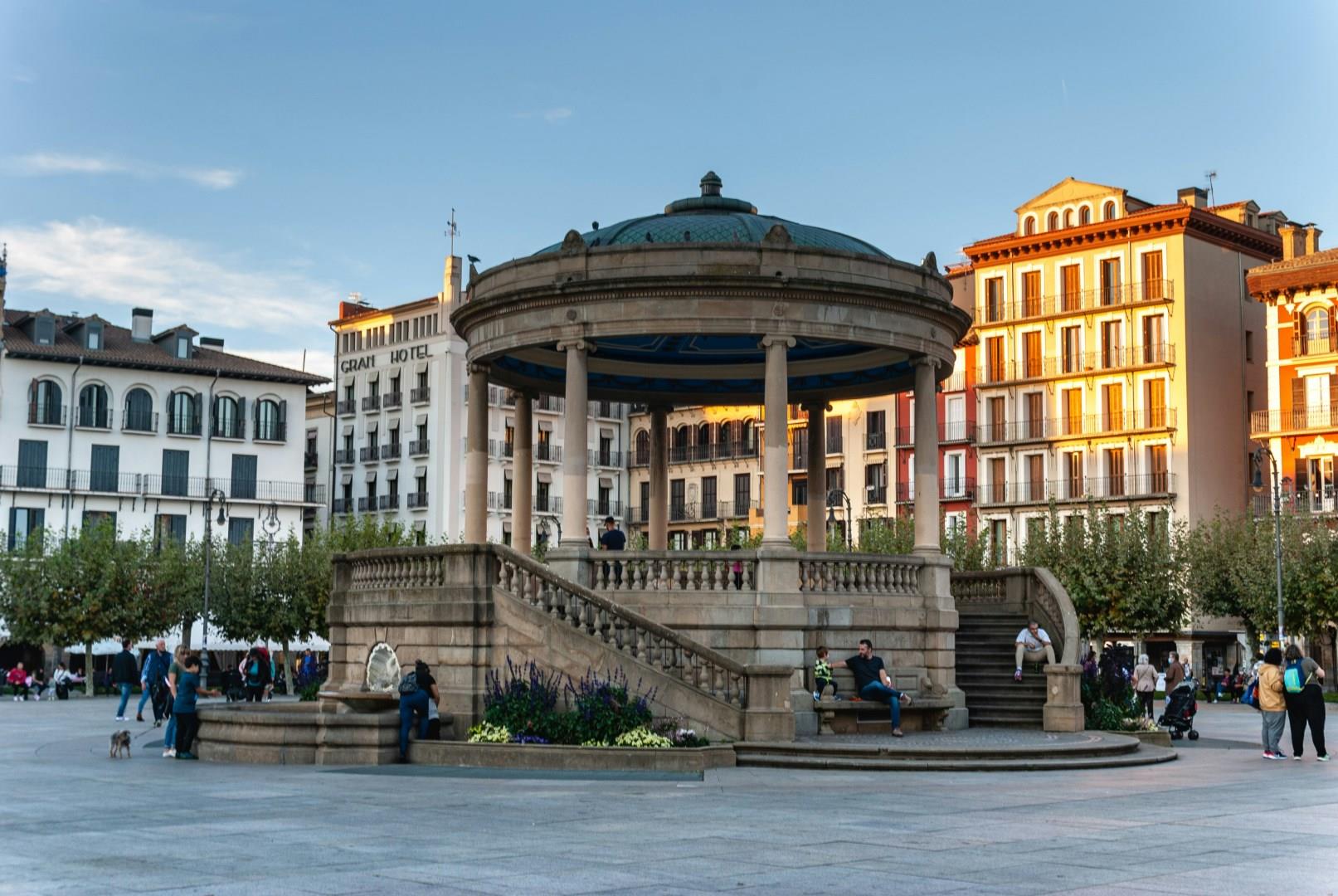
Pamplona
Pamplona, the capital of Spain’s Navarre region, is best known worldwide for the Running of the Bulls during the San Fermín festival each July. But beyond the brief rush of that event lies a city steeped in medieval history, Basque influence, and a slower pace that surprises many visitors. One of the most significant aspects of Pamplona is its place on the Camino de Santiago, the ancient pilgrimage route to Santiago de Compostela.
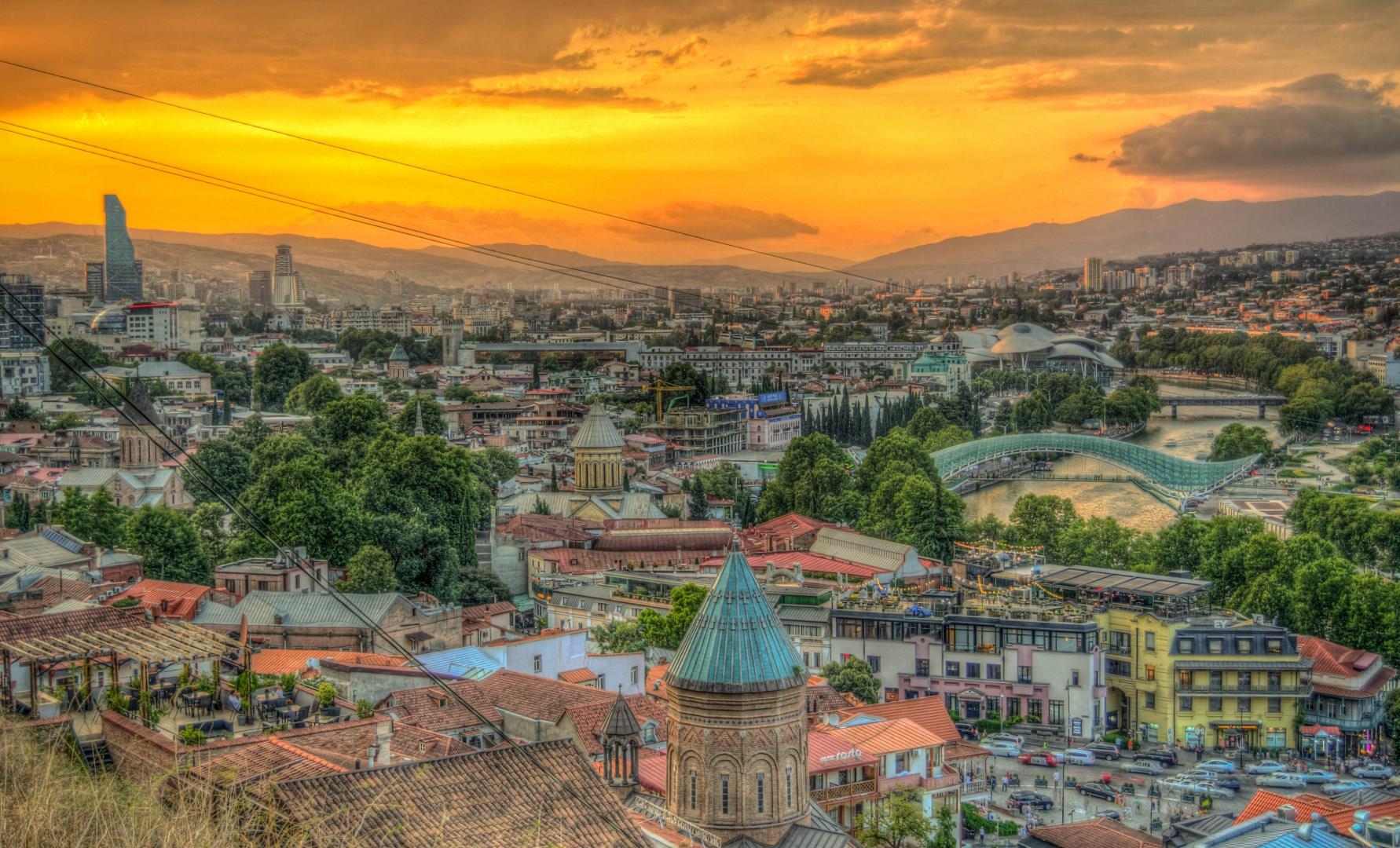
Tbilisi
Tbilisi, the capital of Georgia, is a city where tradition and modern life blend seamlessly. Set along the banks of the Kura River and surrounded by hills, its layout reflects centuries of change and cultural exchange. The Old Town, with its cobbled lanes and wooden balconies, is a living museum of architecture, showcasing influences from Persian, Ottoman, and Russian eras. Above it all, the Narikala Fortress stands watch, offering sweeping views of the city below.
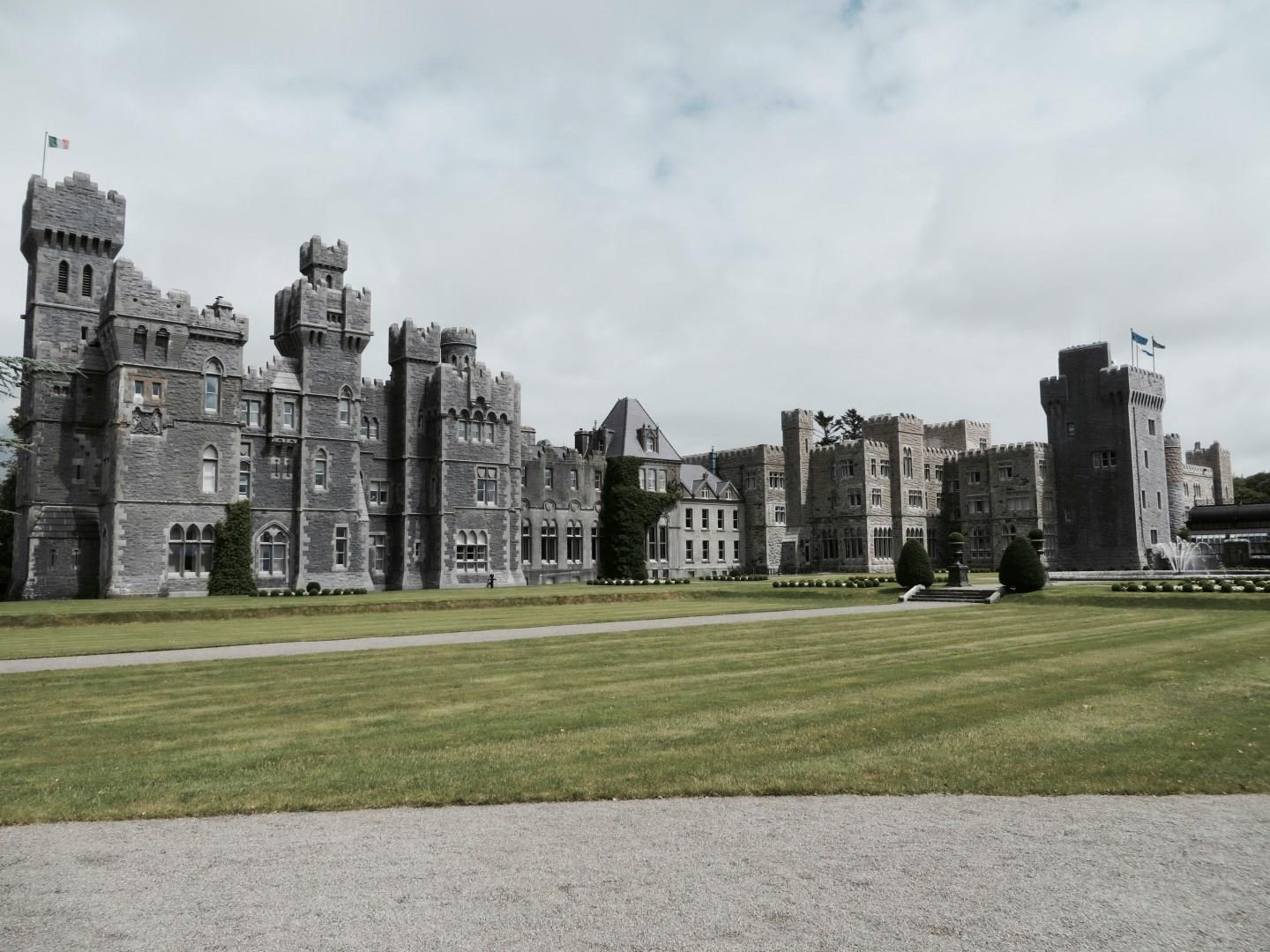
Cong
Cong is a small village in western Ireland, set where the River Cong flows between Lough Corrib and Lough Mask. Its history is closely tied to monastic settlement, most notably Cong Abbey, founded in the 12th century and later shaped by Norman influence.
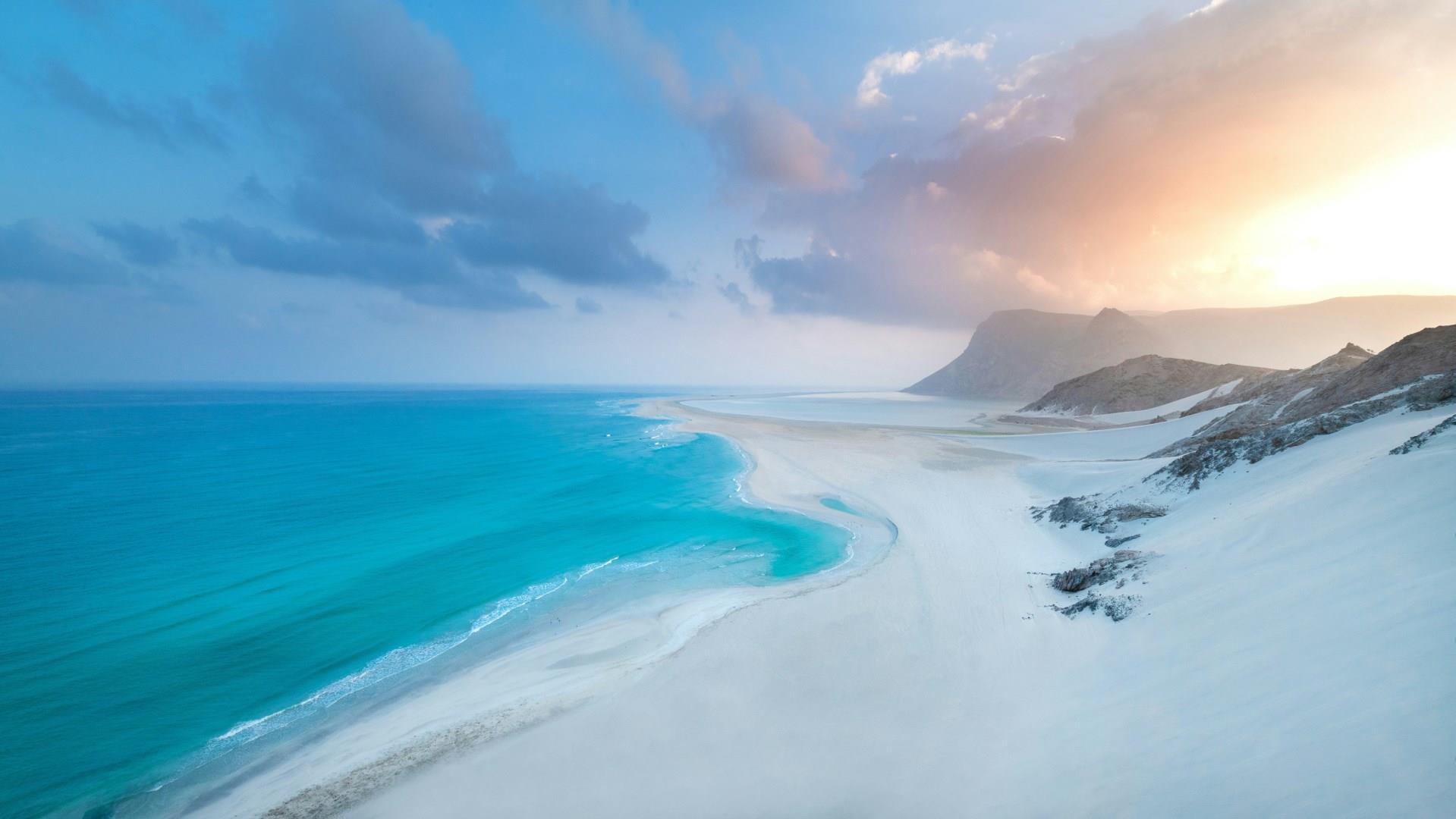
Socotra
Socotra rises from the Arabian Sea like a world apart, its landscapes shaped over millennia. The Dragon’s Blood Trees, with their umbrella-shaped crowns and deep red sap, stand among the most iconic sights here. In places like Dixam Plateau and Homhil Forest, these trees gather in sparse formations, creating scenes that feel both ancient and alien. The resin remains valued for traditional dyes and remedies.
