
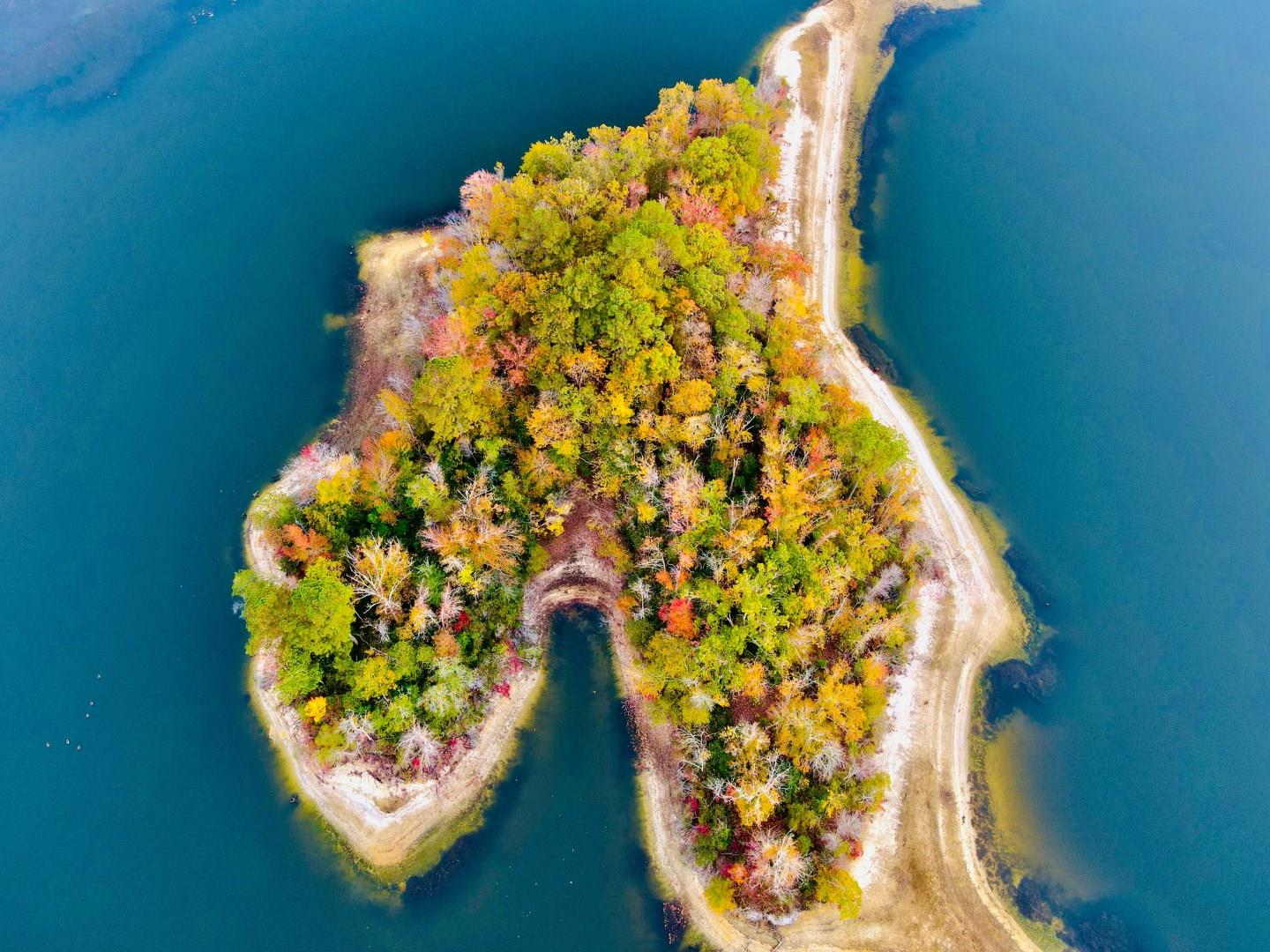
Williamsburg
Williamsburg, Virginia offers visitors the unusual opportunity to walk through a fully reconstructed 18th-century city. As the capital of the Virginia Colony from 1699 to 1780, Williamsburg played a key role in early American politics and daily life. Today, Colonial Williamsburg spans over 300 acres and includes historic buildings, working tradespeople, and costumed interpreters who bring the Revolutionary era to life.
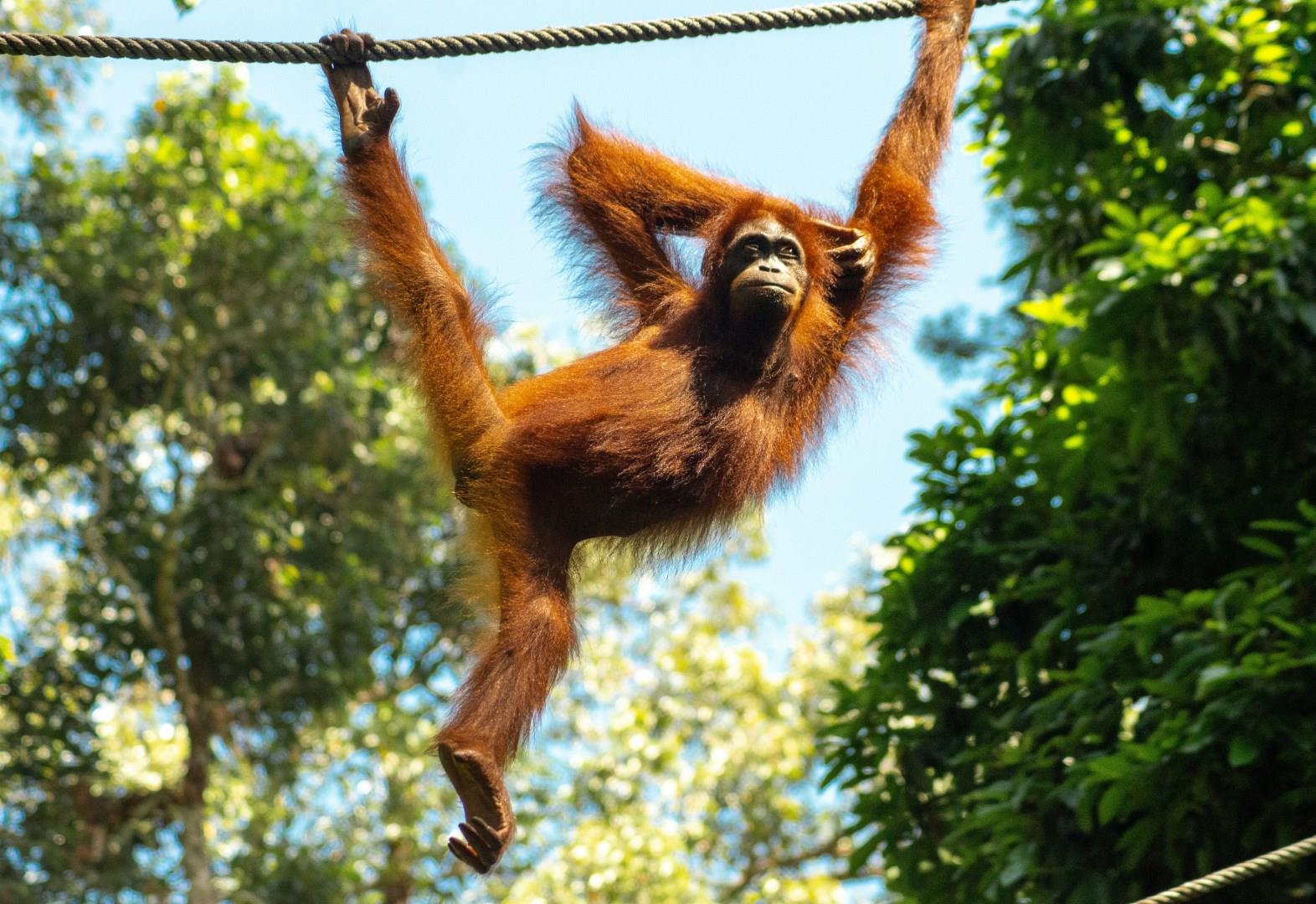
Sandakan Sabah
Sandakan, on the northeast coast of Sabah in Malaysian Borneo, is a city where history, wildlife, and culture come together. Once a major trading port known as “Little Hong Kong” for its bustling connections to the wider world, Sandakan has retained its multicultural character, with influences from Chinese, Malay, and Indigenous communities visible in its temples, markets, and cuisine.

Venice
Welcome to Venice, with its network of canals, rich history and composition of over 100 small islands in the Adriatic Sea. Fine art, stunning architecture, white limestone bridges, moving about via watercraft... Venice is a singular experience and an astonishing masterpiece of civilization.

Uluru National Park
Uluru-Kata Tjuta National Park, national park in the Northern Territory, Australia, in the arid center of the continent, southwest of Alice Springs. The area was established as Ayers Rock/Mount Olga National Park in 1958 and renamed Uluru National Park in 1977.
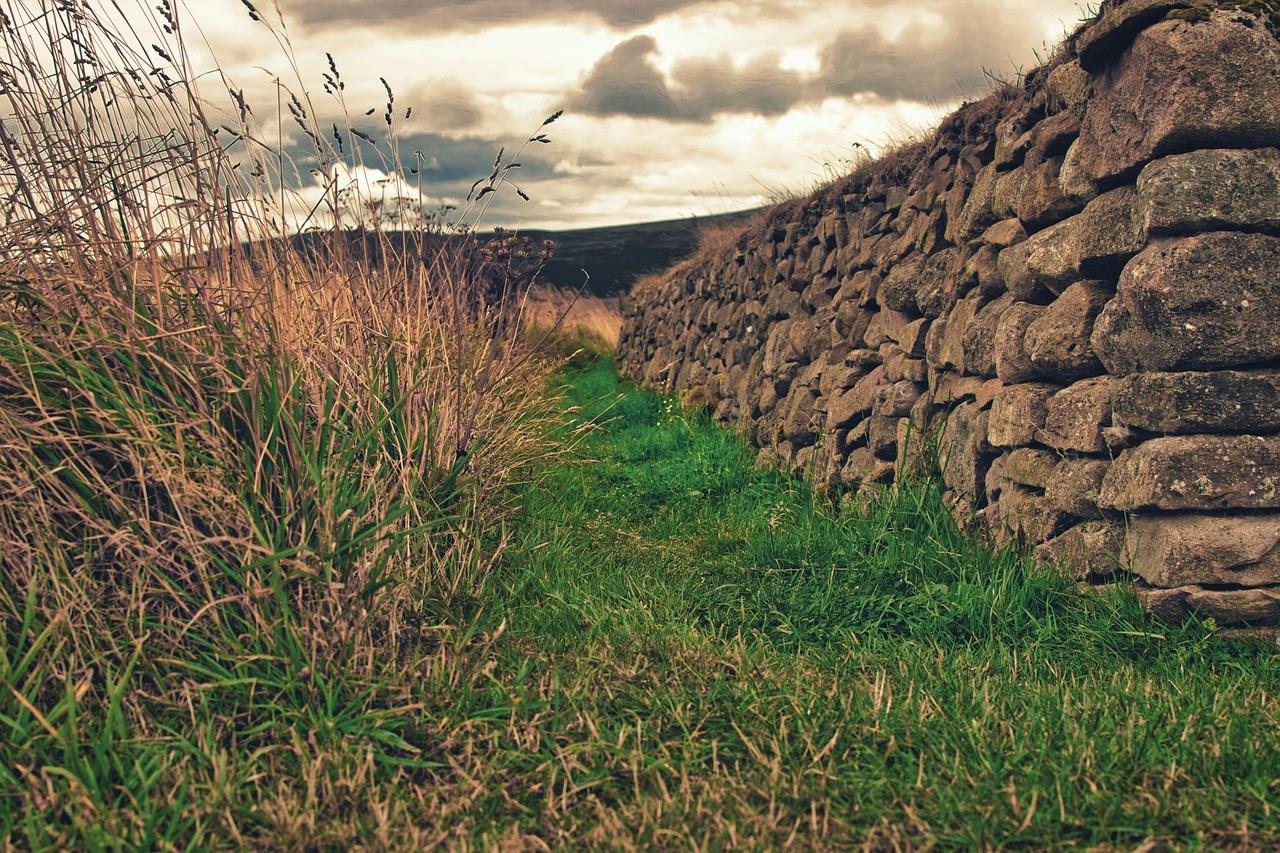
Culloden
Culloden, located just outside Inverness in the Scottish Highlands, is the site of one of the most significant and sobering moments in Scotland’s history. On April 16, 1746, the Battle of Culloden marked the violent end of the Jacobite uprising led by Charles Edward Stuart, better known as Bonnie Prince Charlie. In under an hour, the hopes of restoring the Stuart monarchy were crushed by government forces.
