

Aït Ben Haddou
Aït Benhaddou, located in southern Morocco along the former caravan route between the Sahara and Marrakesh, is one of the country’s most iconic historic sites. This fortified village, or ksar, is recognized as a UNESCO World Heritage Site and is admired for its striking earthen clay architecture that rises dramatically from the desert landscape.

Kralendijk
There's plenty to explore and savor in this vibrant paradise on the Caribbean Sea, including numerous beaches, an assortment of water sports, and plenty of delicious eats and cocktails.

Abu Dhabi
A city in perpetual forward motion, Abu Dhabi greets visitors with gleaming skyscrapers and opulent Islamic architecture. There is much to see here, from the recently opened Louvre Abu Dhabi to the gigantic Sheikh Zayed Grand Mosque, with its white marble splendor. Beach life and turquoise waters can be found on Saadiyat Island, Al Bateen and Corniche Beach.
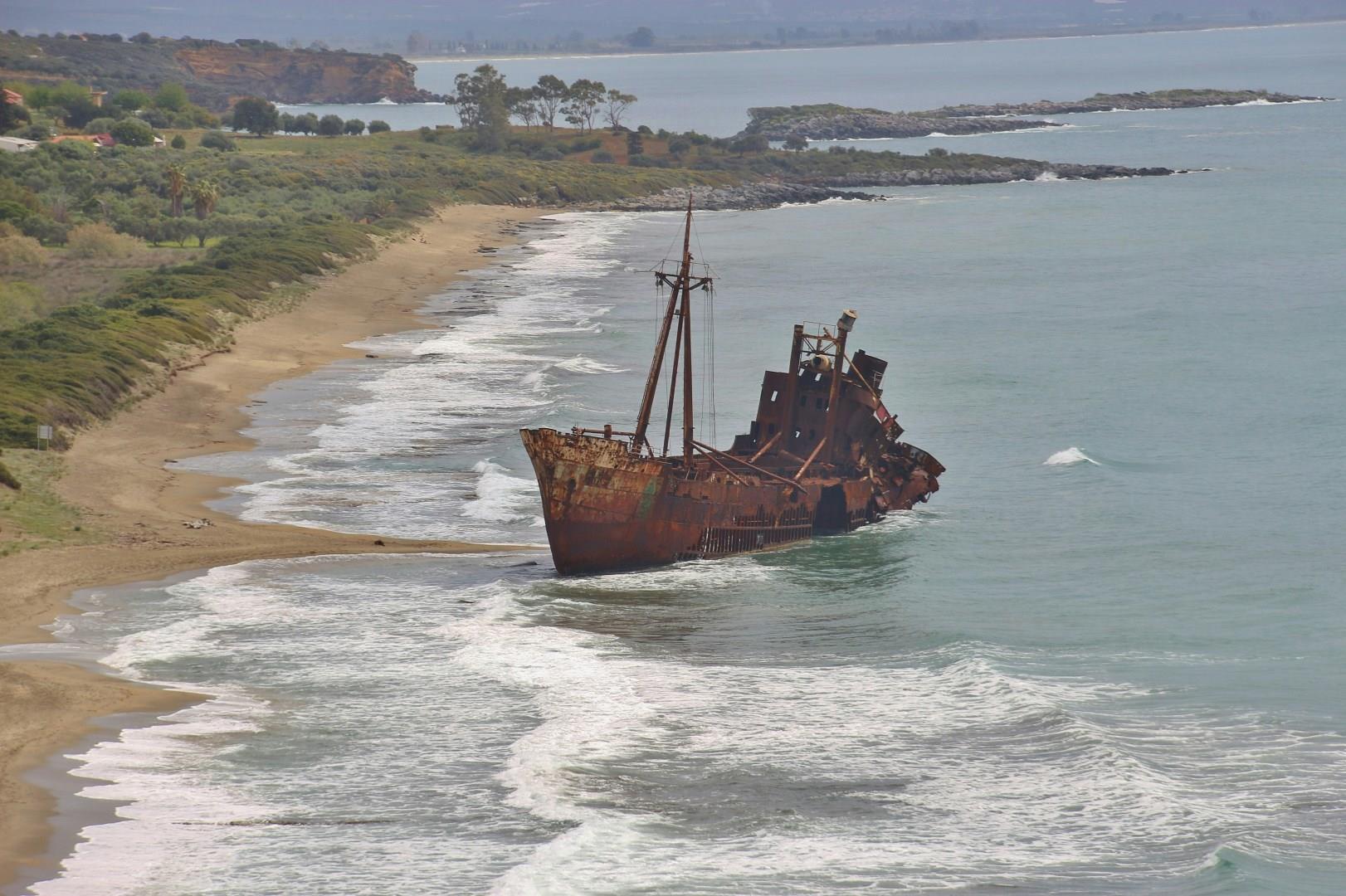
Gythion
Greece’s southern coastline is home to Gythion, a historic port town nestled in the Peloponnese region. Once the naval base of ancient Sparta, Gythion has played a key role in maritime history for centuries. Today, its harbor is lined with colorful neoclassical buildings and fishing boats, creating a picture of daily life that remains connected to its seafaring roots. Just offshore lies Cranae Island, linked to the mainland by a stone causeway.

Quebec
Quebec is a province where the old meets the new in the most exciting way, with each of its diverse cities offering a distinct experience for travelers. It is a melting pot of French and English heritage, and this duality can be seen in its art, music, and festivals.
