
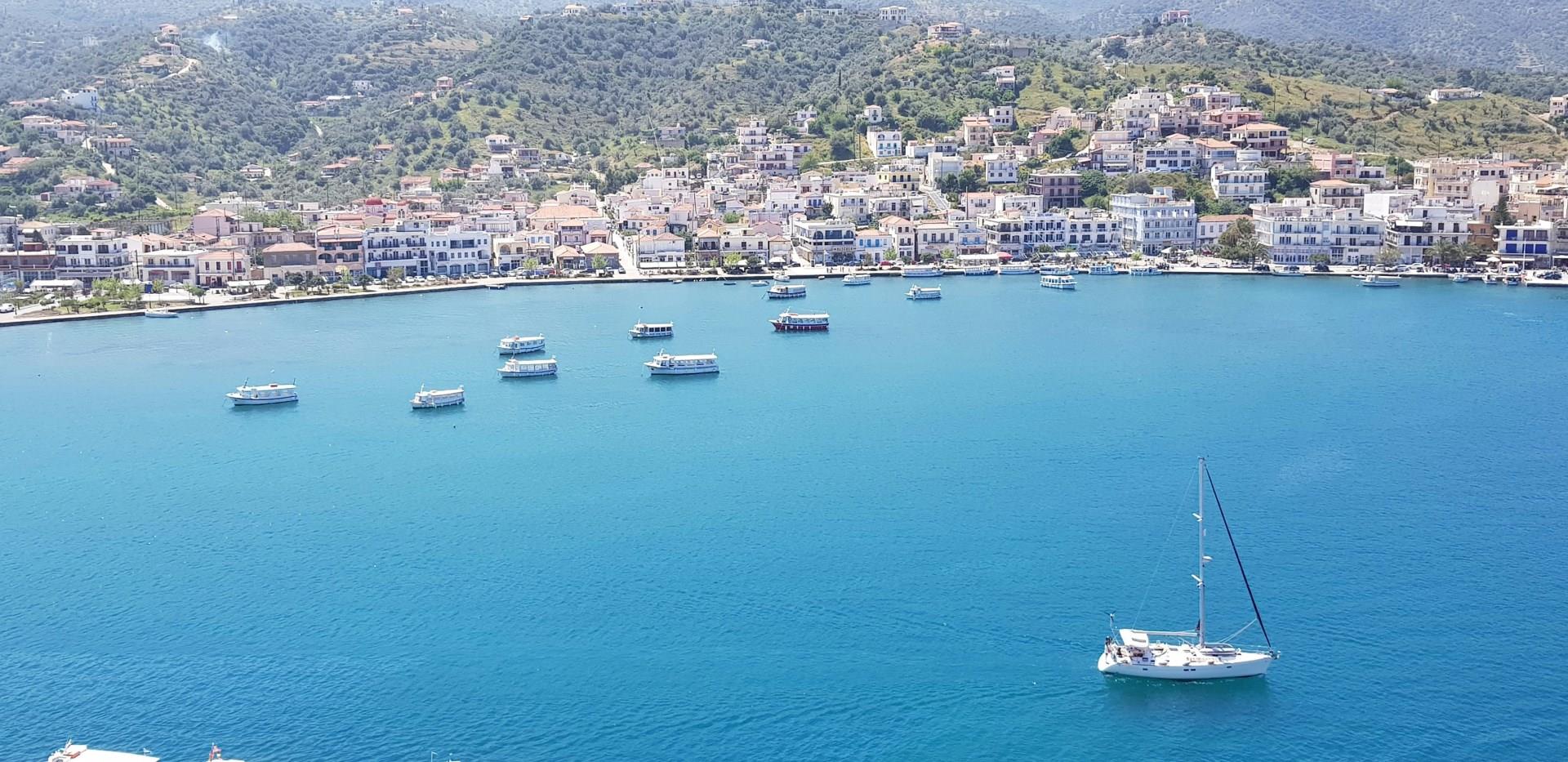
Poros
Poros, a small island in the Saronic Gulf of Greece, is known for its pine-covered hills, neoclassical architecture, and laid-back charm. Just an hour by ferry from Athens, it feels worlds away from the bustle of the capital, offering a slower pace and picturesque scenery.

Luxembourg
Luxembourg City, the capital of the Grand Duchy of Luxembourg, is a stunning blend of medieval charm and modern sophistication. Perched atop dramatic cliffs and surrounded by deep gorges, this city offers a unique and breathtaking landscape. The UNESCO-listed Old Town is an essential starting point for visitors, with its ancient fortifications, narrow cobblestone streets, and grand squares.
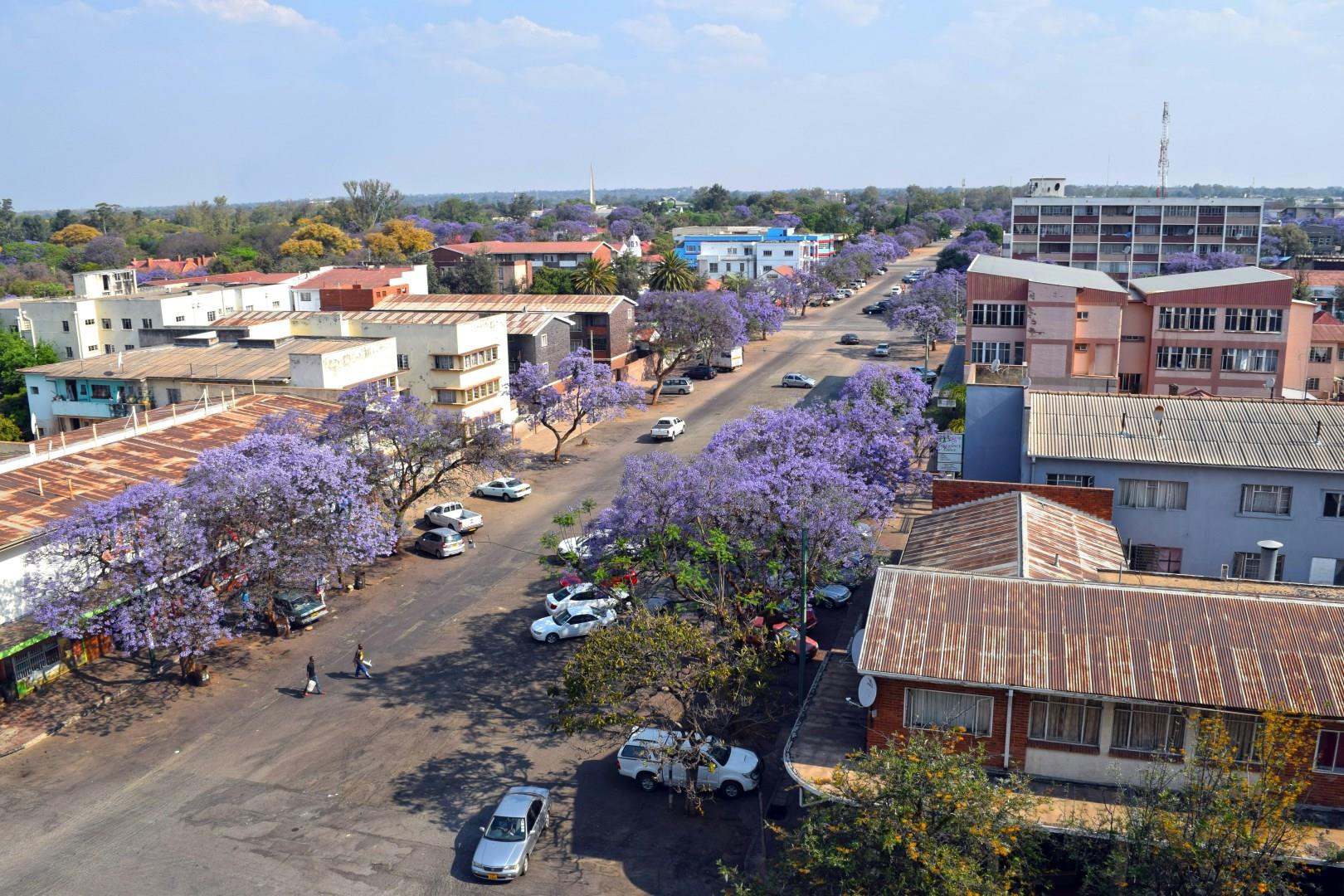
Bulawayo
Bulawayo is Zimbabwe’s second-largest city and a place where industrial heritage and deep cultural roots intersect. Founded near the former capital of the Ndebele kingdom, the city carries strong historical significance tied to King Lobengula and the resistance to colonial expansion.

Pennsylvania
Pennsylvania offers more than just a glimpse into American history, it invites travelers to walk through it. In Philadelphia, the Liberty Bell still draws visitors from around the world, while Independence Hall, a UNESCO World Heritage Site, is where both the Declaration of Independence and the U.S. Constitution were debated and signed. Just a short walk away, modern museums like the National Constitution Center offer hands-on exhibits that connect the past to today’s civic questions.

Mexico
Mexico offers the best beaches, scuba diving, nightlife, cultural attractions and cuisine in the world. Millions of people flock to this country every year for a well-needed vacation. Archaeological ruins, inexpensive shopping, and festive music are its foremost attractions.
