

Paro
Paro, Bhutan, is a serene valley town that offers a gateway to the mystical charm of the Land of the Thunder Dragon. Nestled amidst verdant hills and bisected by the glistening Paro Chhu river, Paro is home to some of Bhutan’s most iconic landmarks and cultural treasures. At the heart of this picturesque valley stands the majestic Paro Dzong, or Rinpung Dzong, a fortress-monastery with a history dating back to the 17th century.

Serengeti
Serengeti, Tanzania, is a jewel of the African continent, renowned for its spectacular wildlife and breathtaking landscapes. This iconic destination is synonymous with the Great Migration, one of nature’s most awe-inspiring events. Each year, millions of wildebeest, zebras, and gazelles traverse the Serengeti’s vast plains in search of fresh grazing grounds, creating a dramatic and unforgettable spectacle.

Pompeii
Pompeii, Italy, is a mesmerizing time capsule that invites travelers to step back into the world of ancient Rome. Once a thriving city, Pompeii was abruptly buried under volcanic ash and pumice following the catastrophic eruption of Mount Vesuvius in 79 AD. This tragic event preserved the city in remarkable detail, allowing visitors today to walk the cobbled streets and witness a snapshot of Roman life, from grand villas and bathhouses to bakeries and amphitheaters.

Angkor Wat
Angkor Wat, located near Siem Reap in Cambodia, is a mesmerizing testament to the grandeur of the Khmer Empire and one of the world's most remarkable archaeological sites. Built in the early 12th century by King Suryavarman II, Angkor Wat was originally dedicated to the Hindu god Vishnu but later became a Buddhist temple.
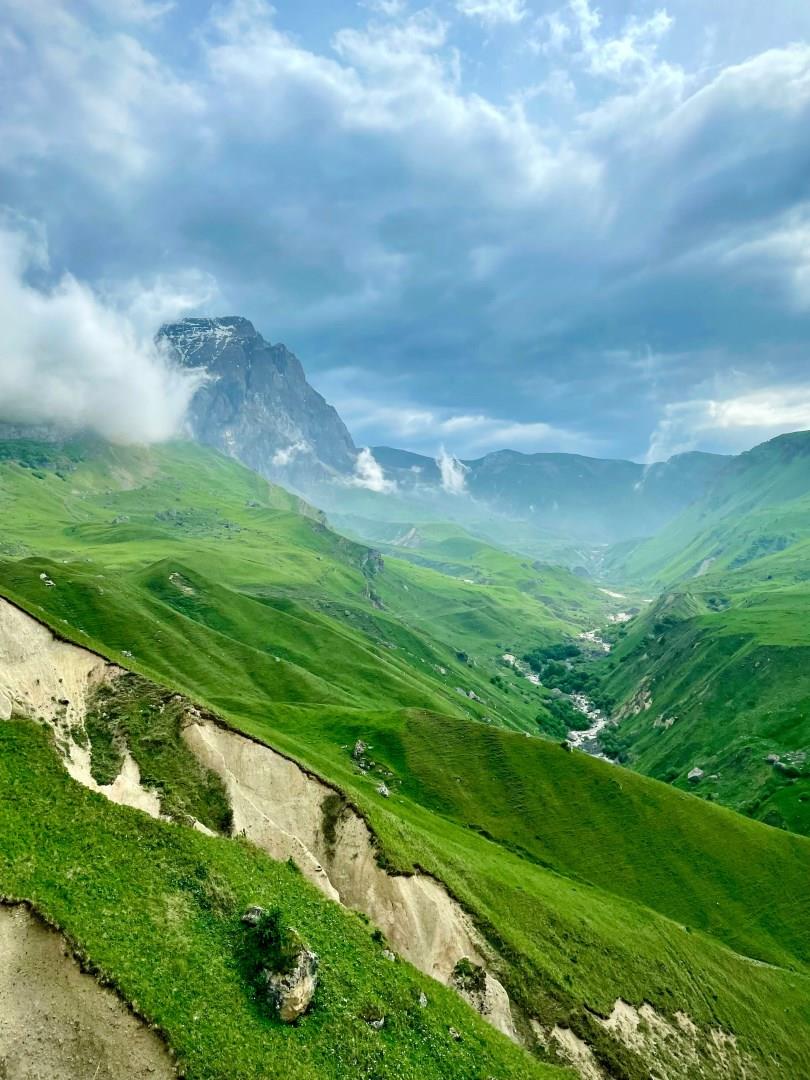
Azerbaijan
Azerbaijan, often called the “Land of Fire,” sits at the crossroads of Europe and Asia along the Caspian Sea. Its capital, Baku, blends futuristic architecture with centuries-old history.
