

Serengeti
Serengeti, Tanzania, is a jewel of the African continent, renowned for its spectacular wildlife and breathtaking landscapes. This iconic destination is synonymous with the Great Migration, one of nature’s most awe-inspiring events. Each year, millions of wildebeest, zebras, and gazelles traverse the Serengeti’s vast plains in search of fresh grazing grounds, creating a dramatic and unforgettable spectacle.
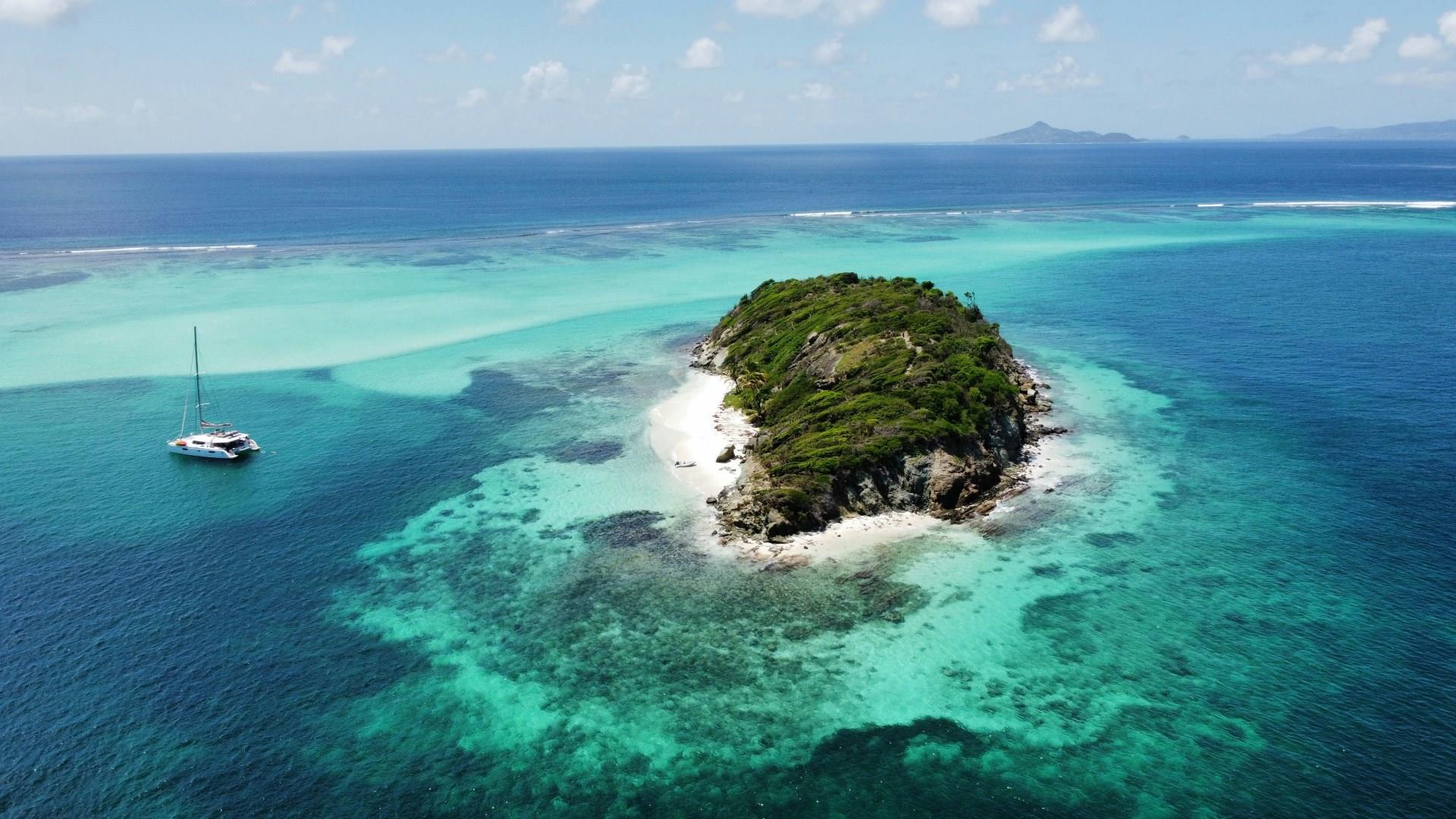
Tobago Cays
The Tobago Cays are a small cluster of uninhabited islands and reefs in the Southern Grenadines, known for their crystalline waters, coral formations, and vibrant marine life.
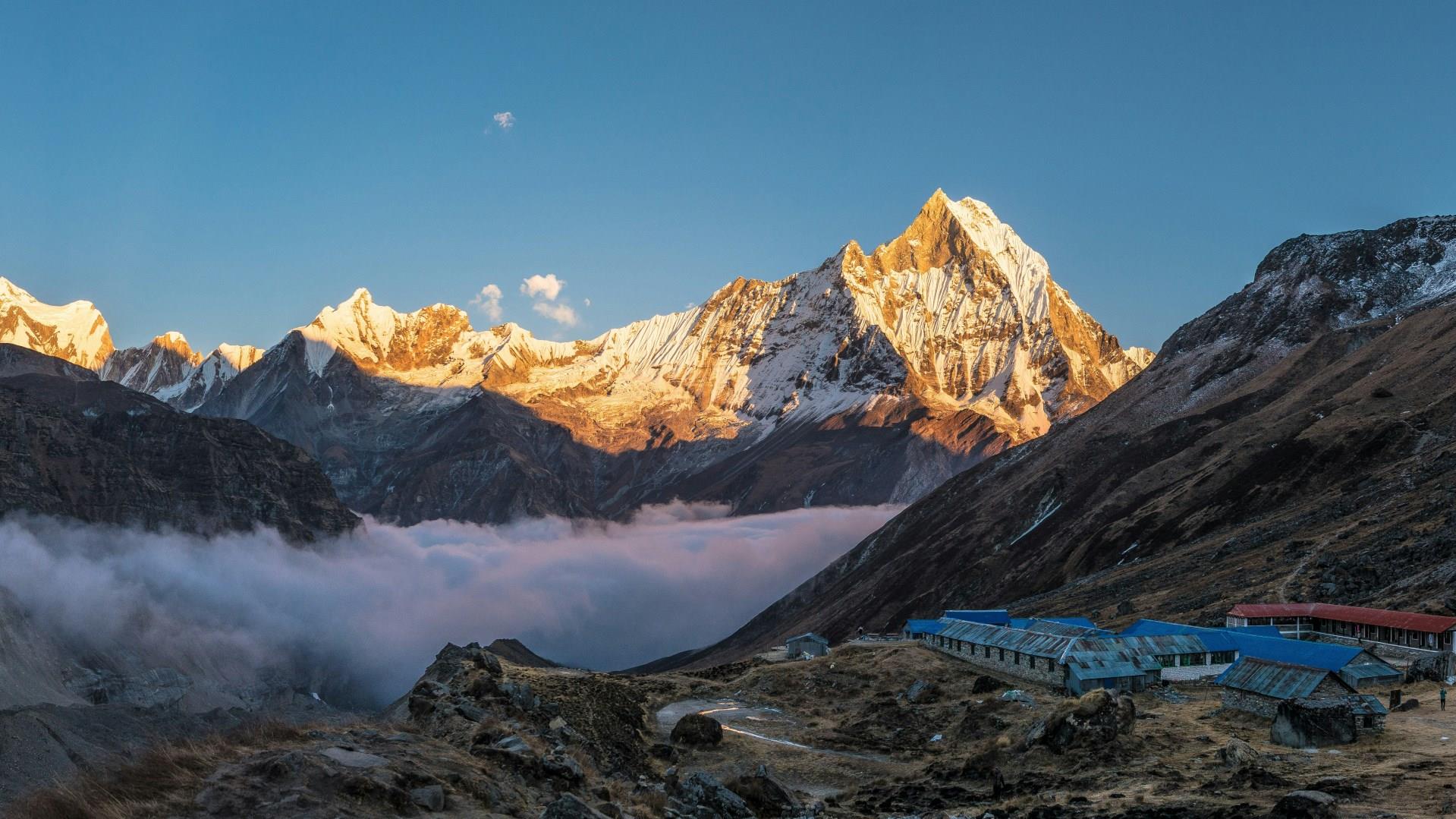
Annapurna
The Annapurna region of central Nepal is defined by both cultural depth and extreme topography. Home to a wide range of ethnic communities, including Gurung, Thakali, and Manangi peoples, the area has long been shaped by trans-Himalayan trade routes and mountain agriculture.
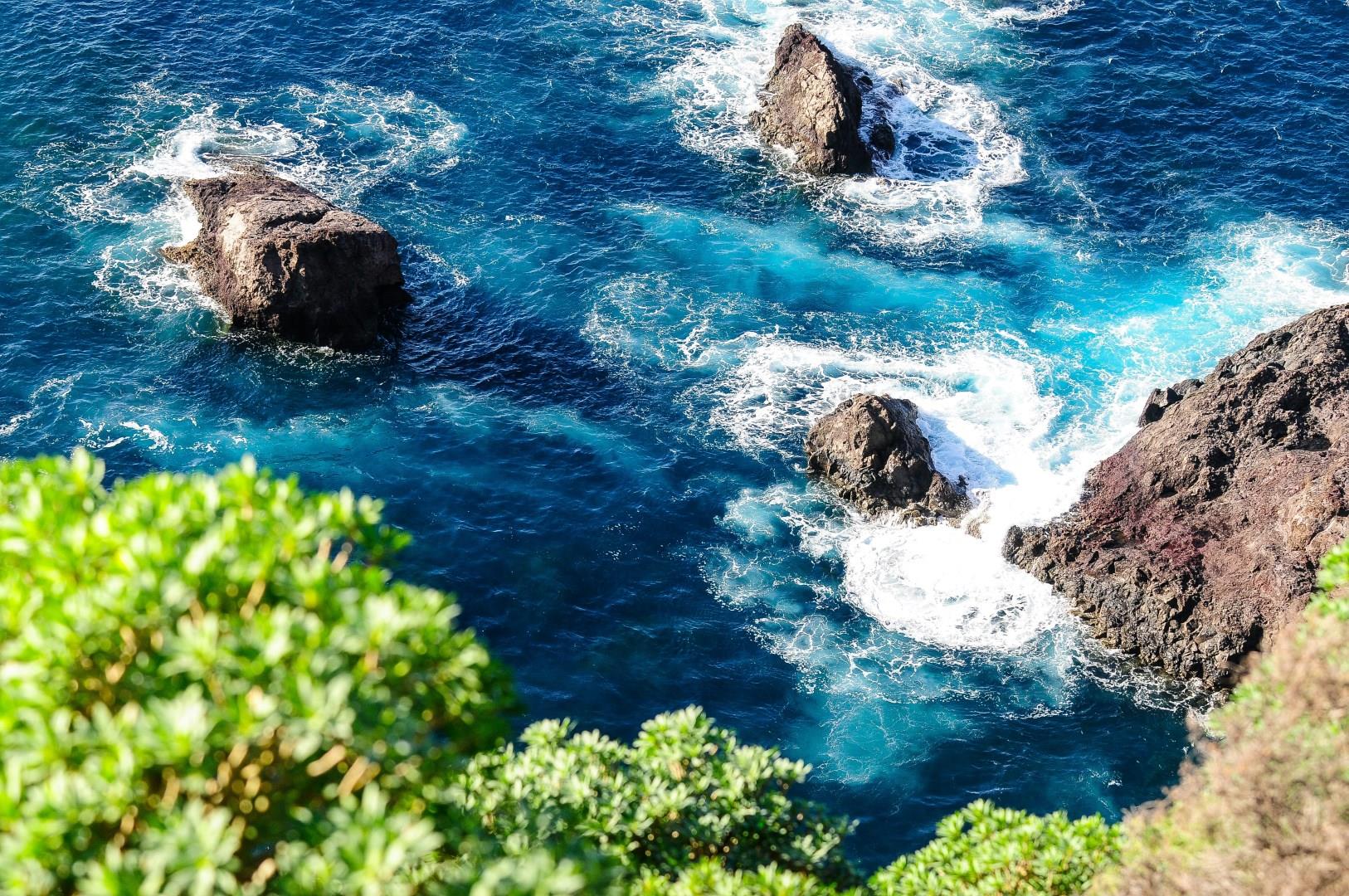
La Palma
La Palma (also San Miguel de La Palma) is the fifth of Spain's Canary Islands. This mountainous volcanic island is a natural wonder of tropical vegetation. Its coast is lined by jagged cliffs and plunging ravines, and its beaches are covered with black sand. Thanks to dry climate and the height of its mountains creating excellent observation conditions, La Palma has become the home of some of the world's largest telescopes, seated on the rocky ridge called El Roque de los Muchachos.

Ghent
If it wasn't for Paris, Ghent would be medieval Europe's largest city. Steeped in history both rebellious and industrious, it sits at the junction of the Leie and Scheldt rivers and was once the site of armed battles by its townsfolk, who raged against heavy taxes and restricted civil liberties.
