
Freeport
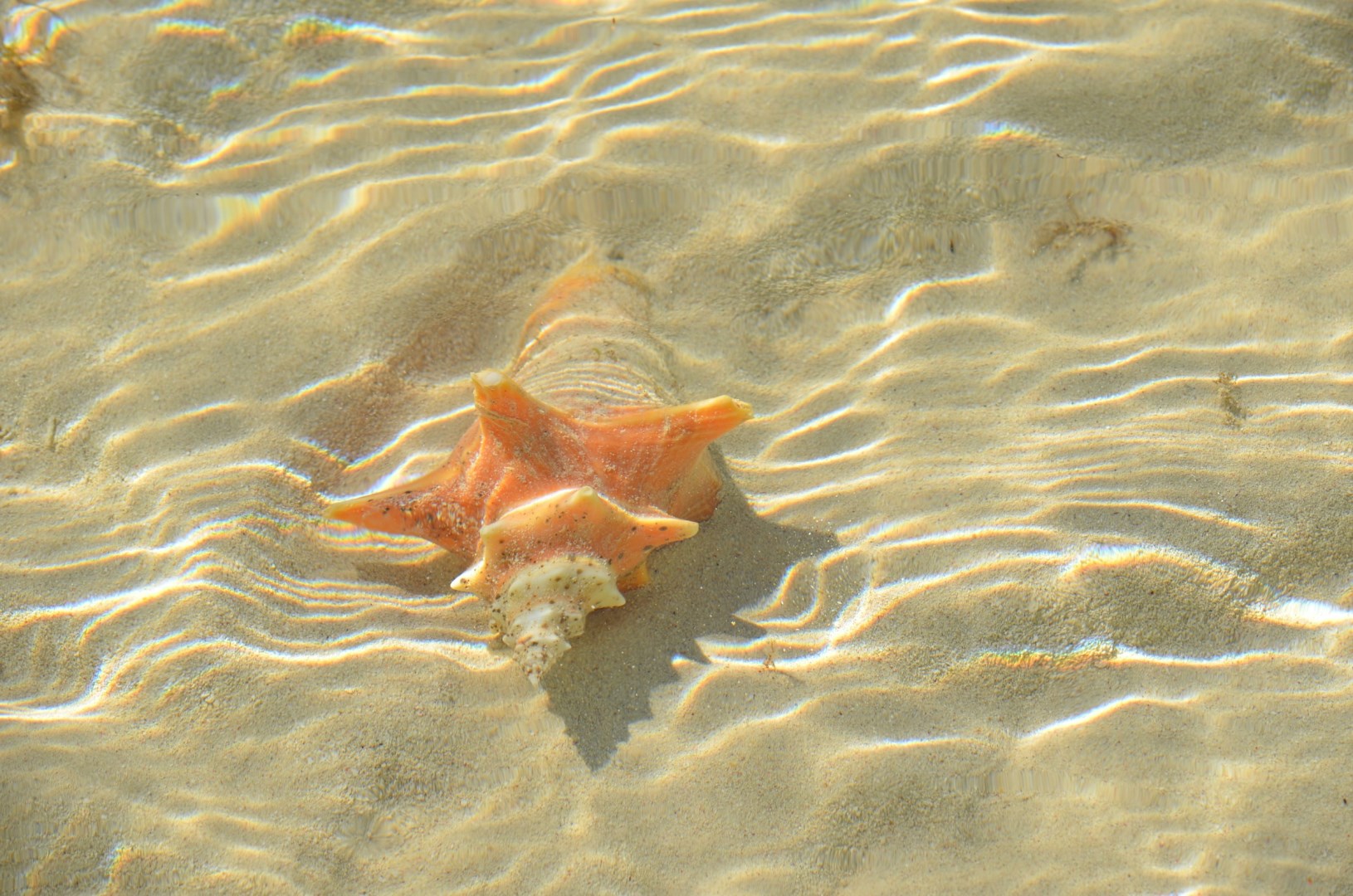
Freeport is the commercial center of Grand Bahama Island, set on the island’s southwestern side beside sheltered waters and extensive pine forests. The city was planned around a large private land development and has grown into a regional hub for tourism, shopping, dining, shipping, and recreation.

Dominica
Dominica, known as the “Nature Island of the Caribbean,” is a haven for eco-tourists and adventure seekers. Nestled between the French islands of Guadeloupe and Martinique, this lush island boasts a remarkable landscape of volcanic mountains, dense rainforests, and stunning waterfalls. Dominica’s most iconic natural wonder is the Boiling Lake, the second-largest hot spring in the world.
Guadalcanal Island
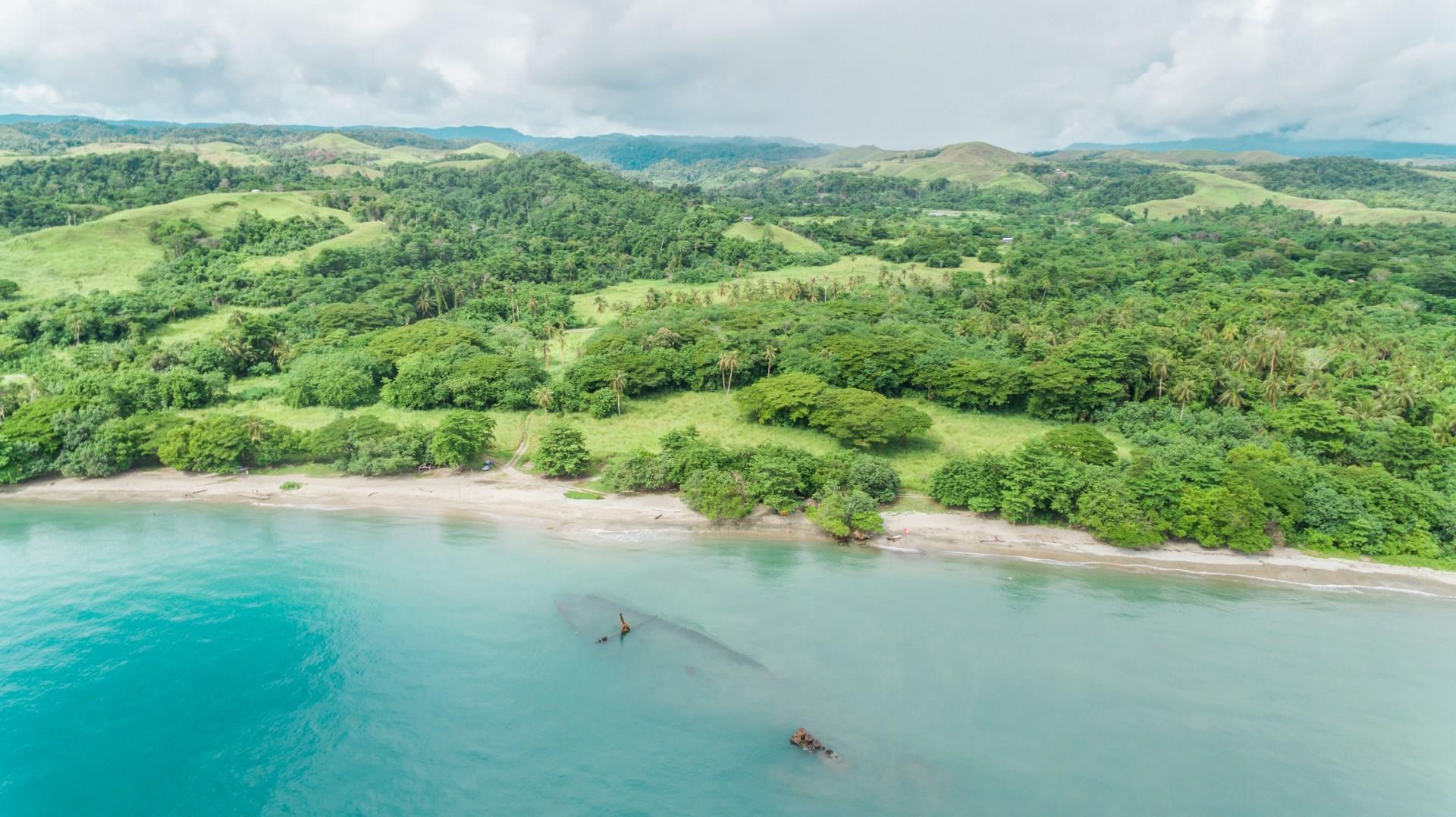
Guadalcanal, the largest island in the Solomon Islands, offers a captivating blend of history, natural beauty, and vibrant culture. This Pacific paradise is most famously known as the site of a pivotal World War II battle, where Allied forces fought fiercely against Japanese troops. Visitors can explore this rich history at the Vilu War Museum, which houses relics, artifacts, and memorials that bring the island's past to life.
Caprivi
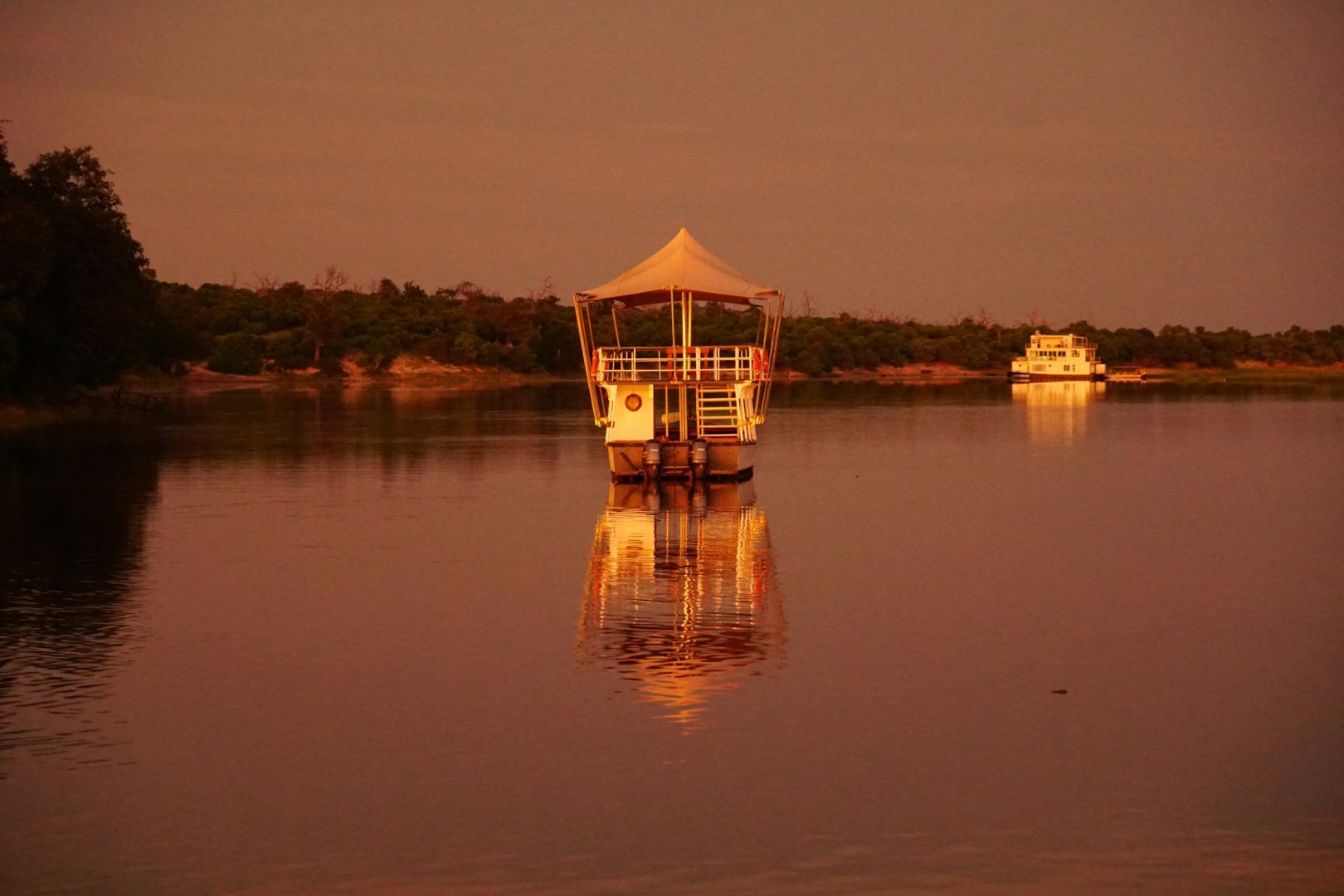
Caprivi, now officially known as the Zambezi Region of Namibia, is a narrow, water-rich area in the country's far northeast, extending between Angola, Zambia, Botswana, and Zimbabwe. Unlike much of Namibia's dry interior, Caprivi contains perennial rivers, floodplains, wetlands, woodland, and riverine forests.
Peggy's Cove
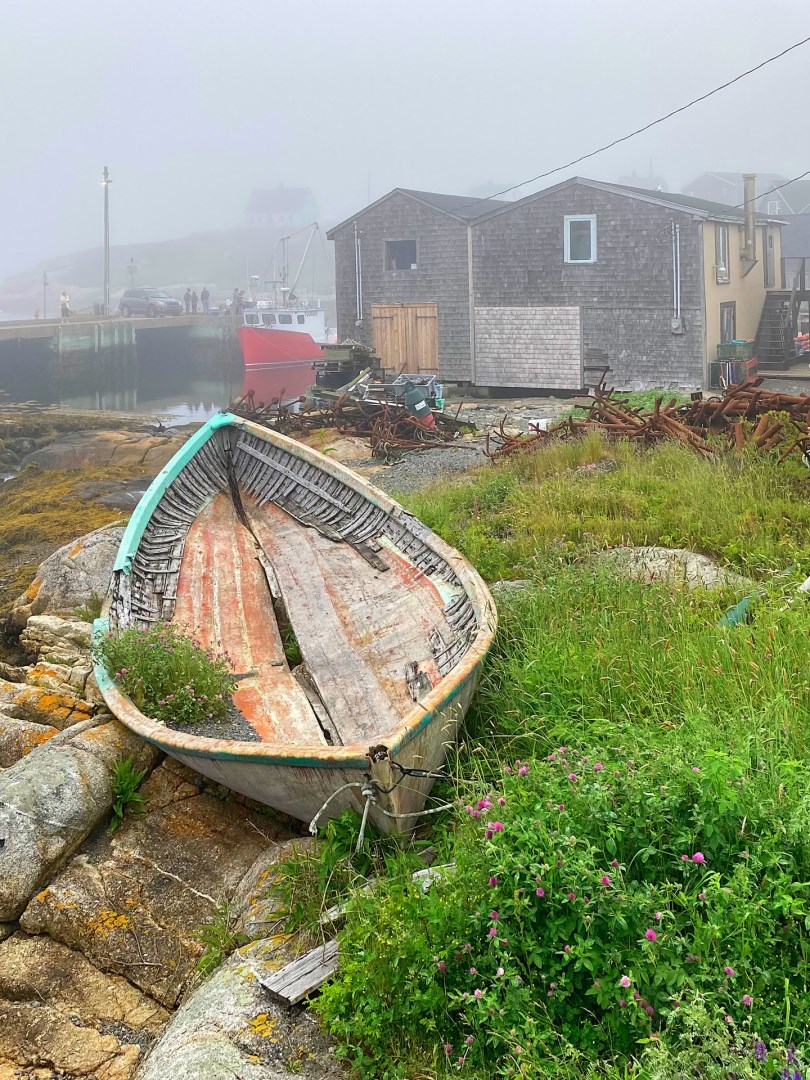
Peggy's Cove is a small coastal community on the eastern shore of St. Margarets Bay in Nova Scotia, known for its granite shoreline, working harbour, and distinctive lighthouse. Large exposed rocks surround the village, shaped by glaciers and Atlantic weather, while spruce and fir forests cover the inland areas.
