

Darwin
Tropical beaches, green space, wildlife, and dazzling sunsets all draw tourists to Darwin. Visitors should also discover the city's art museums, Mindil Beach's night markets and the local seafood. And did you know that this area of Australia has more crocodiles than anywhere on the planet?

Dominica
Dominica, known as the “Nature Island of the Caribbean,” is a haven for eco-tourists and adventure seekers. Nestled between the French islands of Guadeloupe and Martinique, this lush island boasts a remarkable landscape of volcanic mountains, dense rainforests, and stunning waterfalls. Dominica’s most iconic natural wonder is the Boiling Lake, the second-largest hot spring in the world.
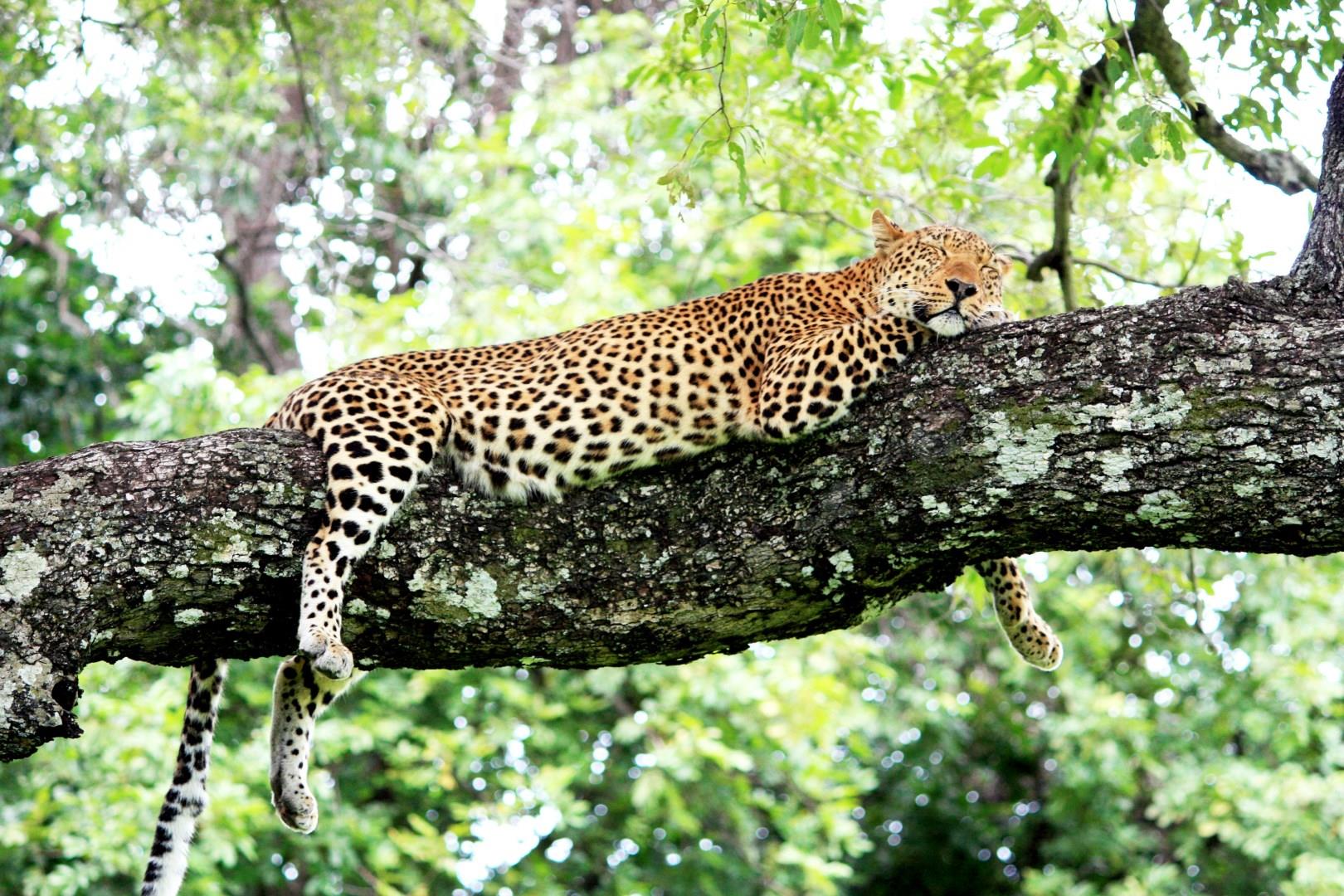
South Luangwa National Park
South Luangwa National Park in eastern Zambia is one of Africa’s most treasured wildlife areas, lying along the lush bends of the Luangwa River. Designated as a protected area in the 1970s, it stands out for its consistently high wildlife densities and landscapes that shift with the seasons. Dry grasslands, shaded woodlands, and green floodplains all unfold beneath wide skies, shaping the canvas for memorable animal sightings.

Anguilla
Anguilla, a serene island in the eastern Caribbean, offers a slice of paradise with its pristine beaches and crystal-clear waters. Known for its luxurious resorts and laid-back atmosphere, Anguilla invites visitors to unwind on its 33 stunning beaches, such as Shoal Bay East and Rendezvous Bay, which are consistently ranked among the best in the world.

Halifax
The capital of Nova Scotia, Halifax is a charming seaside destination in Eastern Canada. Rich in maritime history and once a major trading hub, this city boasts fresh air, lovely sunsets, and a laid-back vibe. Must-see attractions include the hilltop fort Halifax Citadel, the Victorian-era Halifax Public Gardens, and the Maritime Museum of the Atlantic.
