
Riyadh
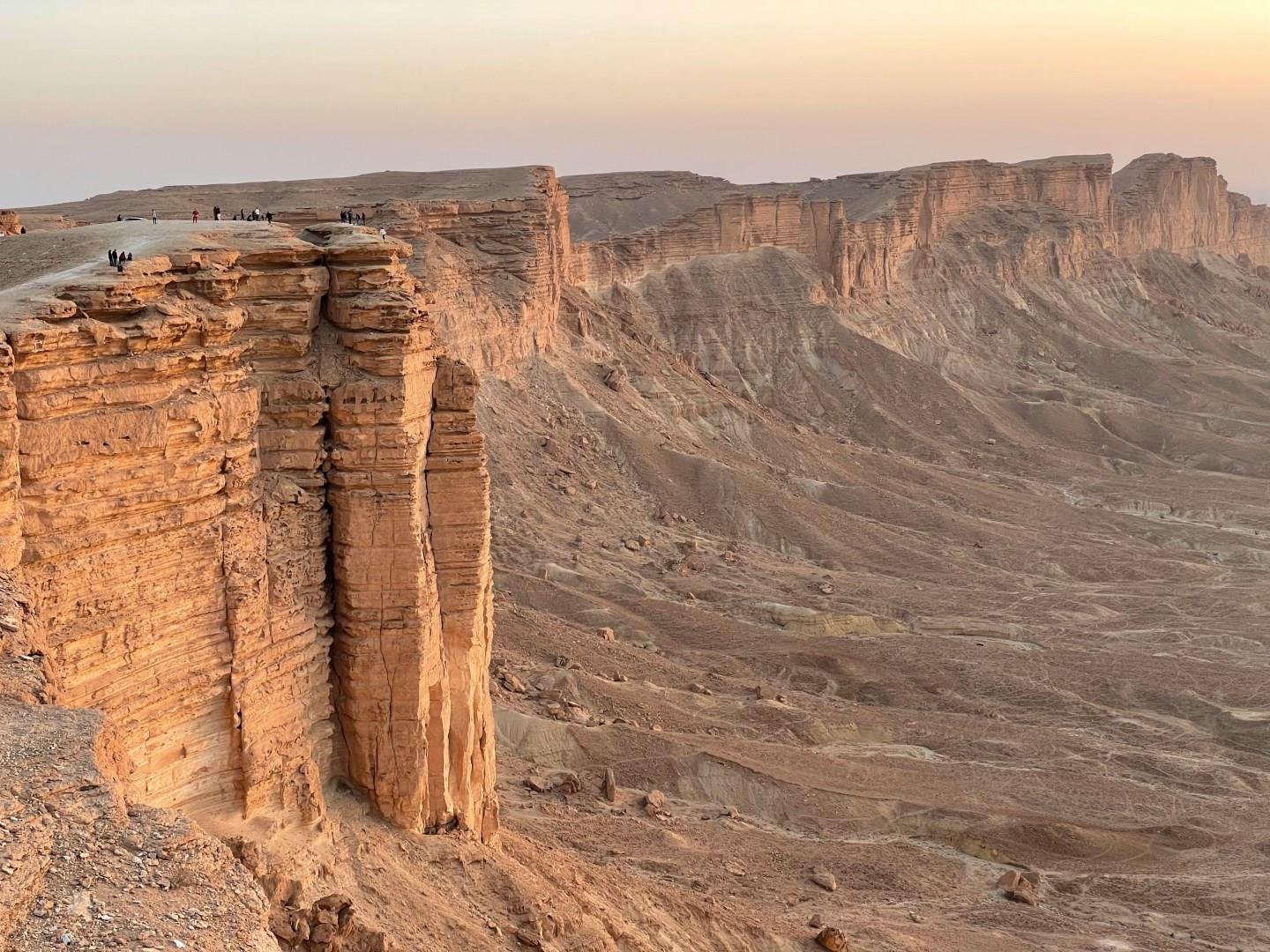
Riyadh blends stories from centuries with modern splendor. At its core stands Al Masmak Fortress, built of clay and mud-brick in the 19th century. It was the site that set the stage for the unification of Saudi Arabia. Today, it’s a museum that preserves weapons, historical displays, and accounts of that pivotal moment. Adjacent to the fortress, the Souq Al-Zal offers spices, traditional jewelry, and handmade crafts, connecting visitors to the city’s past through its alleyways.

Ketchikan
A favorite for many cruise-goers and tourists, Ketchikan, Alaska, is a charming city located near the state’s southeastern edge.

Zadar
Set on the Adriatic Sea, Zadar, Croatia, is a major Dalmatia historical center and a tourism magnet. Walk ancient streets, see Roman ruins and enjoy white-sand beaches.

Korčula
Korčula, a jewel in Croatia's Adriatic Sea, invites visitors to immerse themselves in its rich history and stunning natural beauty. Often referred to as "Little Dubrovnik," the city boasts well-preserved medieval architecture, narrow cobblestone streets, and a fortified old town encircled by ancient walls.
Pamplona
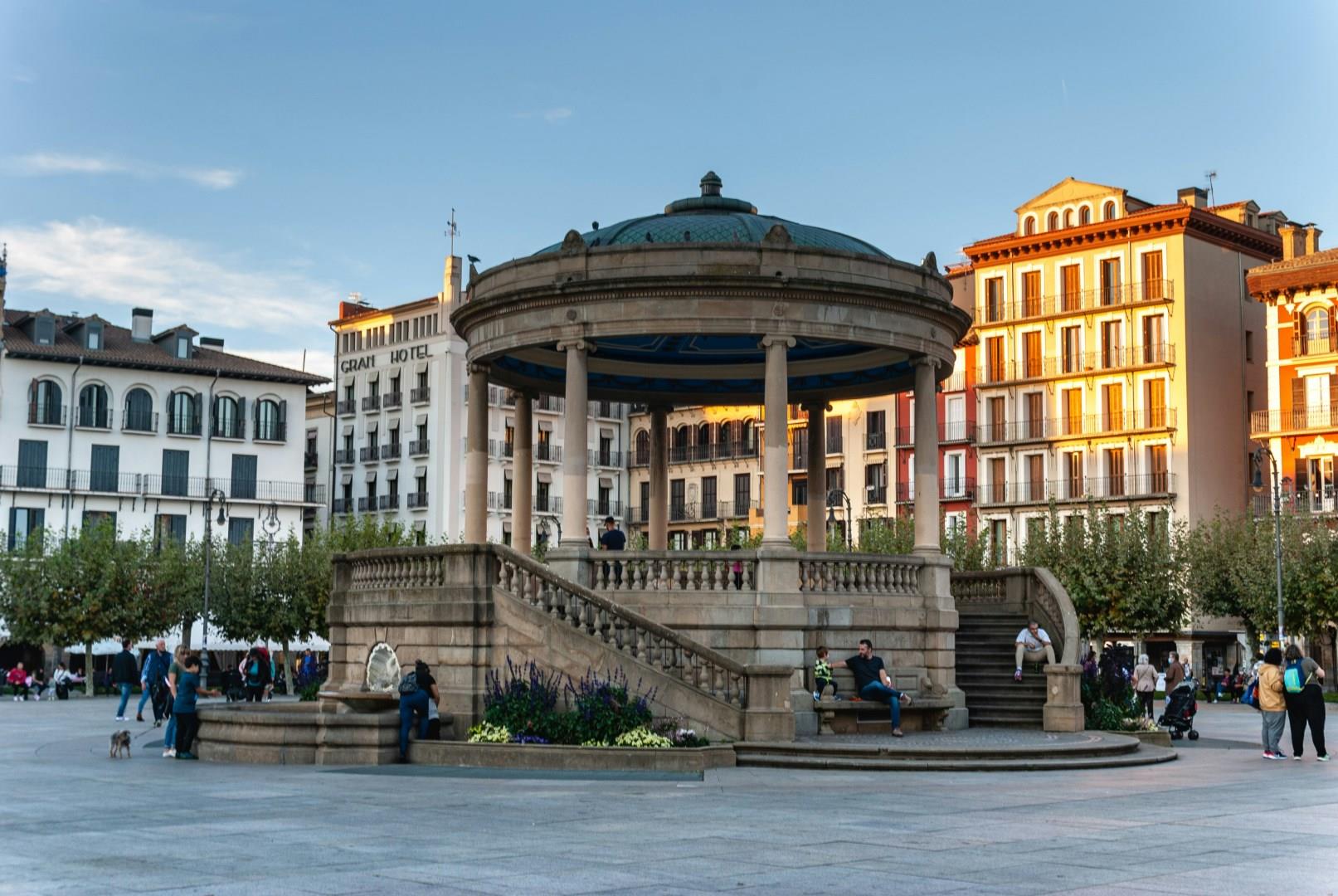
Pamplona, the capital of Spain’s Navarre region, is best known worldwide for the Running of the Bulls during the San Fermín festival each July. But beyond the brief rush of that event lies a city steeped in medieval history, Basque influence, and a slower pace that surprises many visitors. One of the most significant aspects of Pamplona is its place on the Camino de Santiago, the ancient pilgrimage route to Santiago de Compostela.
