
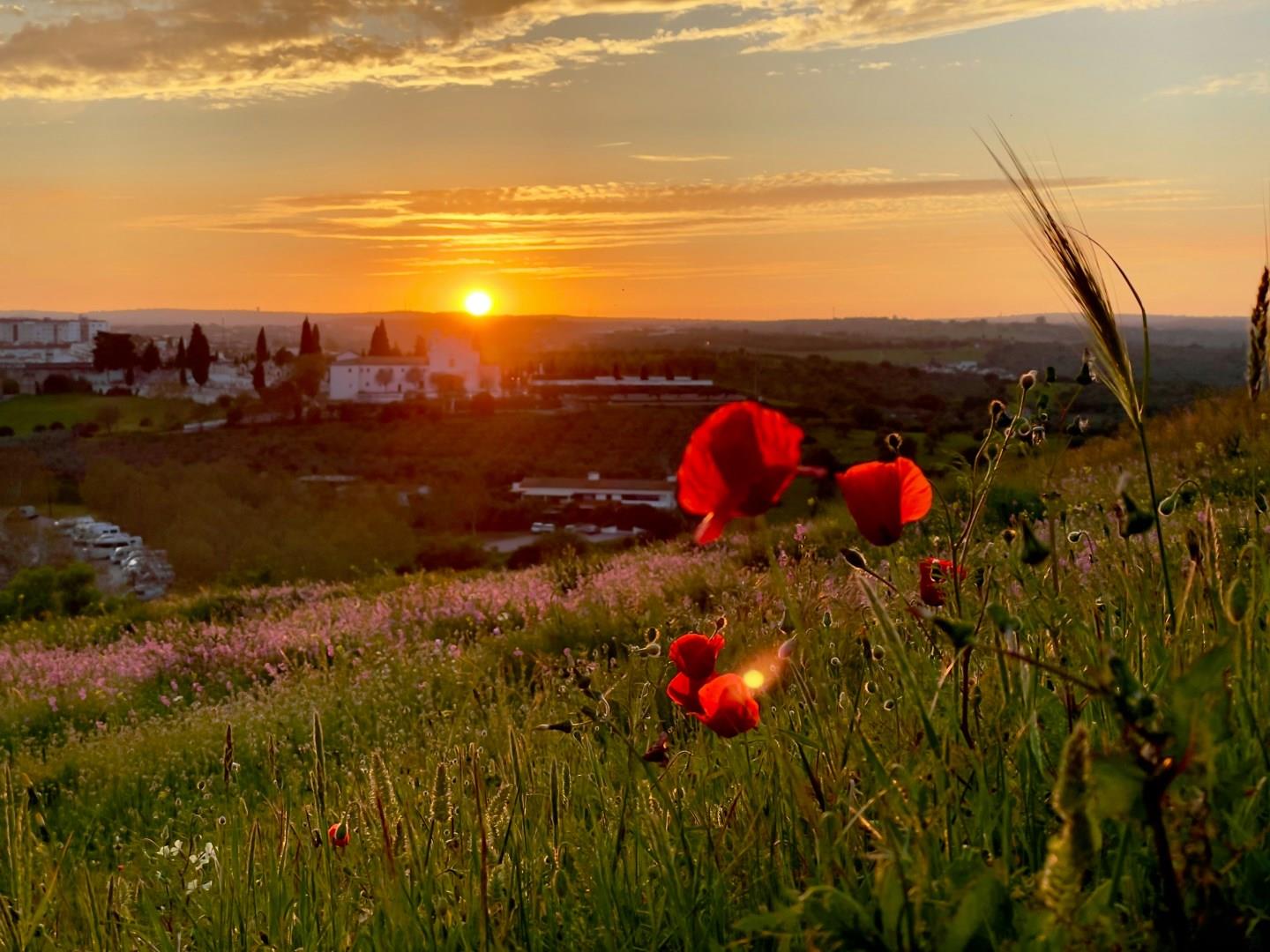
Elvas
Elvas rises from the Alentejo plains near the Spanish border as one of Portugal’s most striking fortified towns, shaped by centuries of defense, resilience, and daily life along the frontier. Encircled by an immense network of walls, bastions, and hilltop forts, the town tells a clear story of strategy and survival, from the sweeping views at Forte da Graça to the quiet streets within the historic center.

Pisa
Pisa, Italy, is more than just its world-famous Leaning Tower; it's a city where history, art, and culture intersect to create a fascinating experience for visitors. The Leaning Tower, part of the Piazza dei Miracoli or Square of Miracles, is an architectural wonder that draws millions each year. Built as a bell tower for the adjacent Pisa Cathedral, its unintended tilt has become a global icon.

St. Ives
St. Ives, a picturesque seaside town on the north coast of Cornwall, England, is a charming blend of stunning natural beauty and rich cultural heritage. With its golden sandy beaches, crystal-clear waters, and quaint cobbled streets, St. Ives has long been a haven for artists, surfers, and sun-seekers alike. The town's vibrant atmosphere is palpable in its bustling harbor, where fishing boats sway with the tide and seaside cafés offer fresh, locally caught seafood.
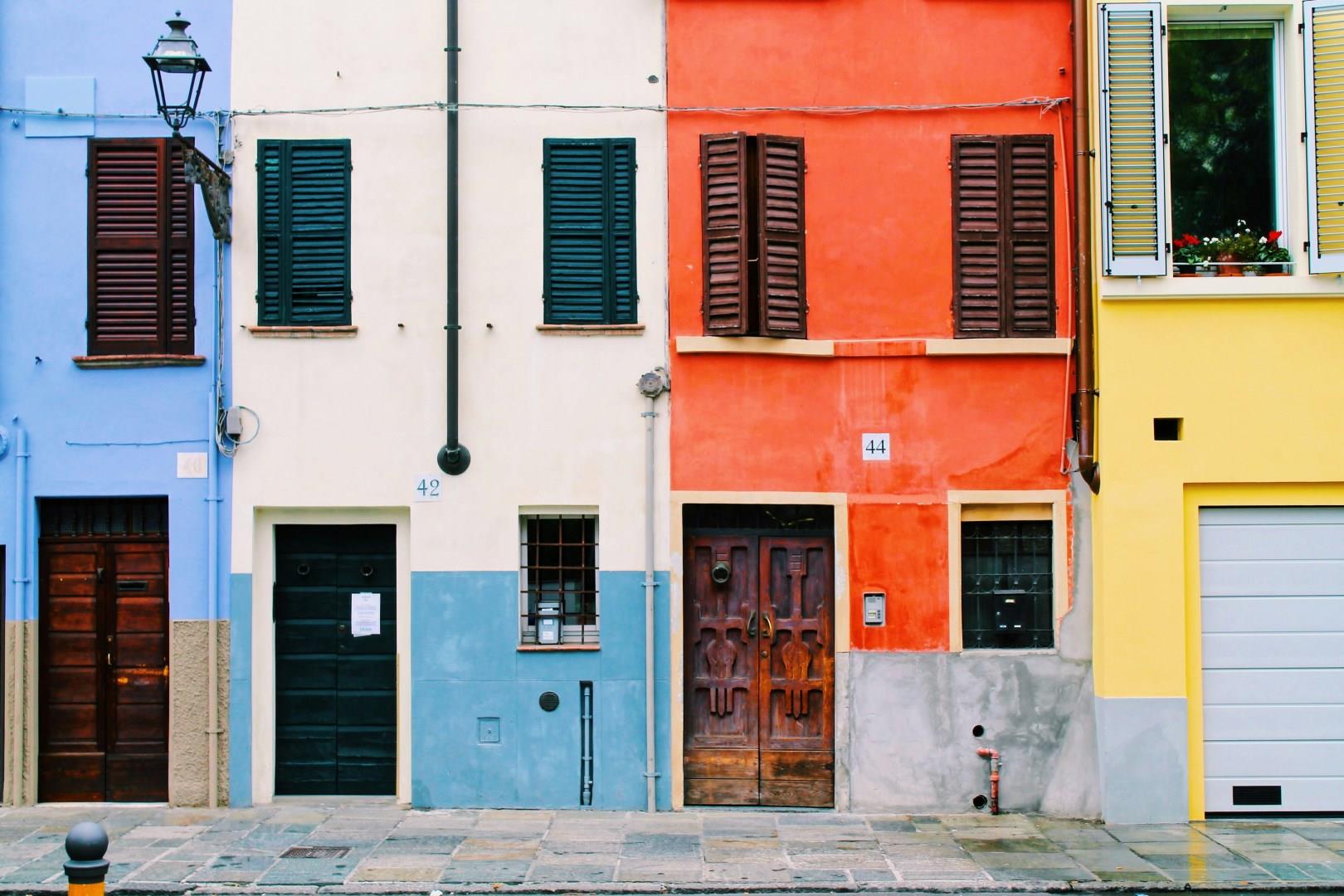
Parma
Parma, in Italy’s Emilia-Romagna region, is a city where art, history, and gastronomy intertwine. Known worldwide as the birthplace of Parmesan cheese and Parma ham, the city has long been a culinary capital, but its cultural depth extends far beyond the table.

Antananarivo
Antananarivo, Madagascar’s vibrant capital, offers a unique blend of cultural richness and historical depth. Perched on a series of hills, the city’s layout is characterized by its steep streets and traditional architecture. The Royal Palace, or Rova of Antananarivo, is a central landmark, offering a glimpse into Madagascar's royal past. Although much of the palace was destroyed by fire in 1995, the site remains a significant cultural and historical monument.
